
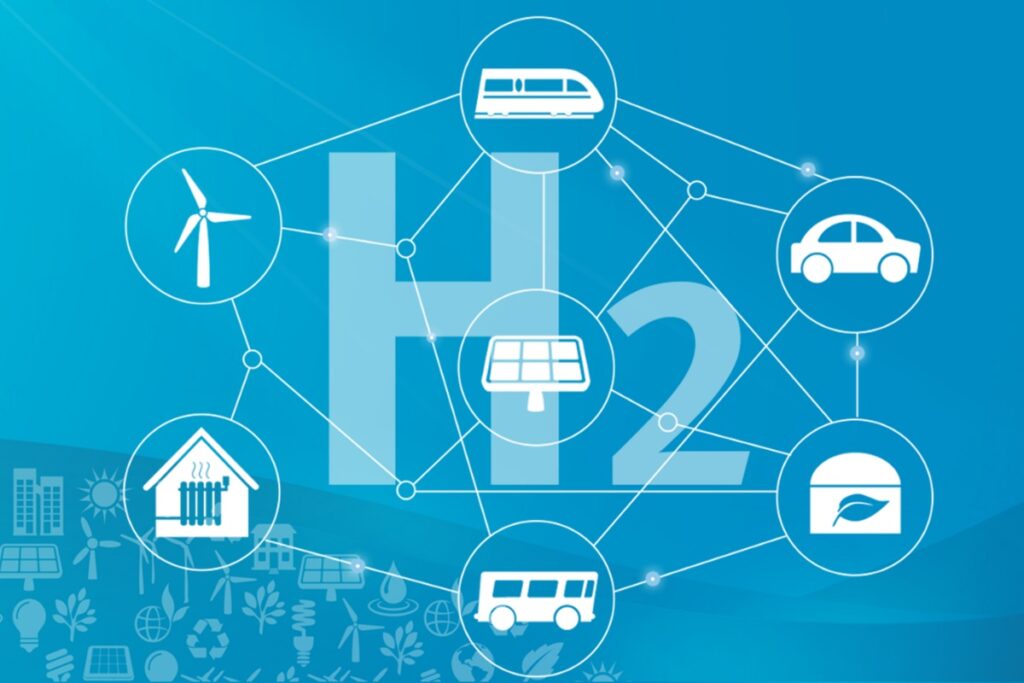
Due to the carbon neutrality goals signed by 185 countries, the global demand for hydrogen fuel (H2) is expected to increase to ten-fold by 2050, and production costs decrease considerably in the coming years. The hydrogen industry is expected to reach half the size of the current oil market in 30 years because it offers a sustainable alternative to fossil fuels if the H2 is produced with renewable energy. H2 produces zero emissions and can be used to power cars, buses, ships, and even spacecraft.
According to Energy Minister Juan Carlos, Chile plans to get in on the action by increasing its renewables capacity so it can become a leading producer and exporter of green hydrogen as a clean fuel by 2050. The Andean country’s geographical position – with sunny deserts in the north and intense, constant winds in the south – puts it at a comparative advantage over the rest of the world. Green hydrogen from Chile could be made through an electrolysis process (the separation of molecules using electricity) that is powered by solar and wind farms.
Minister Jobet said:
We are working to convene a large number of actors because we need to harness the will of many in order to be able to take advantage of this potential. In Chile, we have huge natural resources from which to produce electricity very cheaply, free trade agreements worldwide, and an open economy.
The only thing missing is a market for the electrolyzers. Jobet added:
We don’t have the equipment manufacturers to produce the electrolyzers, so we need to attract these players to Chile.
For now, the government plans to increase the country’s renewables capacity to 70% by 2030. Last year they accounted for 44%. Its long term goal is to reduce its net carbon emissions to zero by 2050. Meanwhile, it will establish its green hydrogen manufacturing infrastructure.
Jobet said:
Green hydrogen will contribute more than 20% of the reduction of emissions we need to achieve by 2050 to be carbon neutral. It is key to move towards carbon neutrality.
Chile could export $30 billion in green hydrogen by 2050. This is the amount of copper that we export today.
To match copper exports is a big deal because the material is currently the backbone of the mining nation’s economy, accounting for about 50% of its exports. Therefore, green H2 could be ‘transformational’ for the nation’s economy, with a considerable impact on local economic development and job creation.


