
In our modern digital landscape, safeguarding your online privacy and security is essential. As cybercriminal threats grow more sophisticated, taking proactive steps to shield your digital identity is imperative. This article outlines key strategies for protecting your personal information and ensuring that your online interactions remain secure.
As we navigate an increasingly interconnected world, the importance of safeguarding your digital presence cannot be overstated. Each action you undertake online leaves a trace that can potentially be misused by malicious actors. By adopting effective protective measures, you can greatly diminish the risks that accompany online activities.
Understanding the Importance of Online Privacy in Business Operations
Online privacy is not just a trending topic; it is a critical factor in maintaining the security and integrity of any organization’s digital infrastructure. In the B2B space, the exposure of sensitive data can lead to severe consequences, including intellectual property theft, financial losses, and reputational damage.
It is important to understand that any data shared online is vulnerable to access by competitors and harmful individuals. For this reason, using tools such as a static proxy is crucial. This approach helps to protect your company’s digital footprint and maintain your data’s confidentiality.
Static residential proxies provide an additional layer of protection by masking your business’s IP address, minimizing the risk of tracking and surveillance. This protects proprietary information and ensures that competitive intelligence gathering, market research, or web scraping activities remain discreet and secure.
Essential Tools for Enhancing Online Security
To bolster your online security, it is imperative to use reliable tools and techniques.
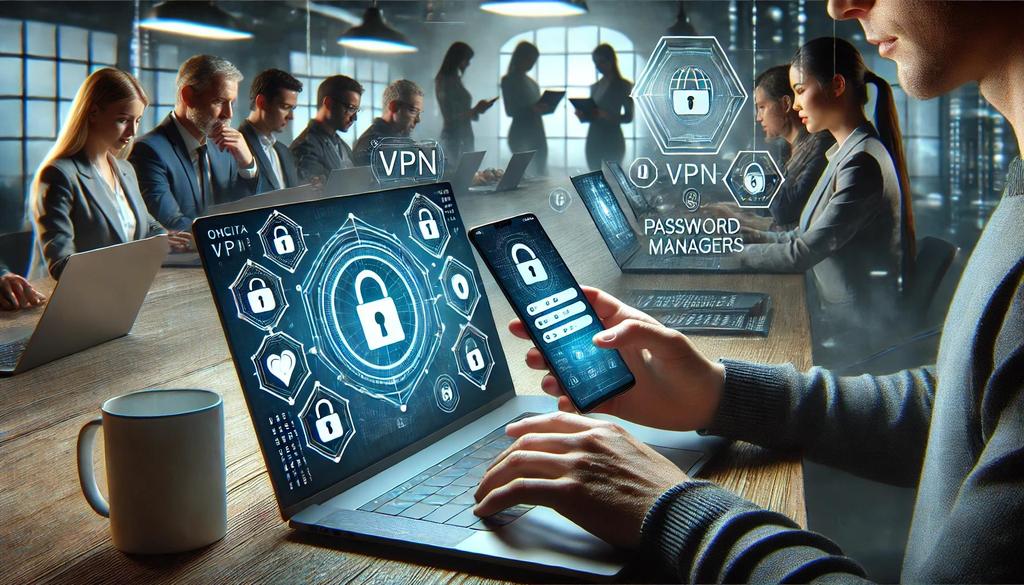
- Virtual Private Networks (VPNs) are among the most effective tools for securing your internet connection. They encrypt your data, making it difficult for hackers to intercept sensitive information.
- Further, two-factor authentication (2FA) adds an extra step to the login process, making it harder for unauthorized users to access your accounts.
- Another essential tool is a password manager. It generates and stores complex passwords, reducing the risk of account breaches due to weak or reused passwords.
- In addition to VPNs and password managers, employing robust antivirus and anti-malware software is crucial. These programs act as a first line of defense against various cyber threats, including viruses, trojans, and ransomware.
- Regular scans and real time protection offered by these tools can detect and neutralize potential threats before they cause significant damage. It’s important to choose reputable security software and keep it updated to ensure maximum protection against evolving cyber threats.
Employing these tools collectively provides a comprehensive approach to safeguarding your online presence.
Best Practices for Maintaining Digital Hygiene
Maintaining digital hygiene involves regular and consistent actions to protect your personal information.
- Always ensure that your software and operating systems are up-to-date to defend against vulnerabilities exploited by cyber threats.
- Regularly backing up data is another critical practice that helps recover information in case of ransomware attacks or hardware failures.
- You should also be cautious about the information you share online. Limiting personal details on social media and being mindful of phishing attempts can significantly mitigate risks.
Another crucial aspect of digital hygiene is managing your digital footprint actively. Regularly reviewing and cleaning up your online presence can significantly reduce your vulnerability to cyber threats. This includes deleting old accounts you no longer use, removing unnecessary personal information from active profiles and being selective about the apps and services you allow to access your data. Minimizing your digital footprint reduces the amount of information available to potential attackers, thereby enhancing your overall online security.
By following these best practices, you contribute to a safer digital environment for yourself and others.

The Role of Education in Promoting Cybersecurity Awareness
Education plays a pivotal role in promoting cybersecurity awareness. Understanding common cyber threats such as phishing, malware, and social engineering empowers individuals to recognize and avoid potential dangers. It is beneficial to stay informed about the latest security trends and practices through reputable sources such as academic publications and official reports.
Participating in workshops or training sessions on cybersecurity can further enhance your knowledge and preparedness. By prioritizing education on this front, you become better equipped to navigate the complexities of the digital landscape securely.
Prioritizing Online Security for a Safer Digital Future
In an era where online activities are integral to both personal and professional domains, prioritizing your digital security is not just a choice; it is a necessity. By implementing the tools and practices outlined in this article, you lay the groundwork for a more secure online experience. Education continues to be key in developing a proactive mindset toward cybersecurity. As we advance into a future increasingly defined by digital interactions, staying informed and taking tangible steps to protect yourself will lead to a safer, more resilient online environment.


