
Jeff Bezos, the founder of Amazon and one of the wealthiest individuals in the world, has embarked on a mission to combat climate change and protect our planet’s biodiversity. His vehicle for this ambition is the Bezos Earth Fund, a philanthropic initiative launched in 2020 with a staggering $10 billion commitment to be distributed by the end of the decade. This fund aims to tackle some of the most pressing environmental issues of our time, from reducing greenhouse gas emissions to promoting sustainable food systems. Recently, one of the highlights of this endeavor has been Bezos’s increased investment in lab-grown and alternative meats, demonstrating his interest in transforming the global food industry.
Jeff Bezos and the Boost to Lab-Grown Meat
The Increased Pledge
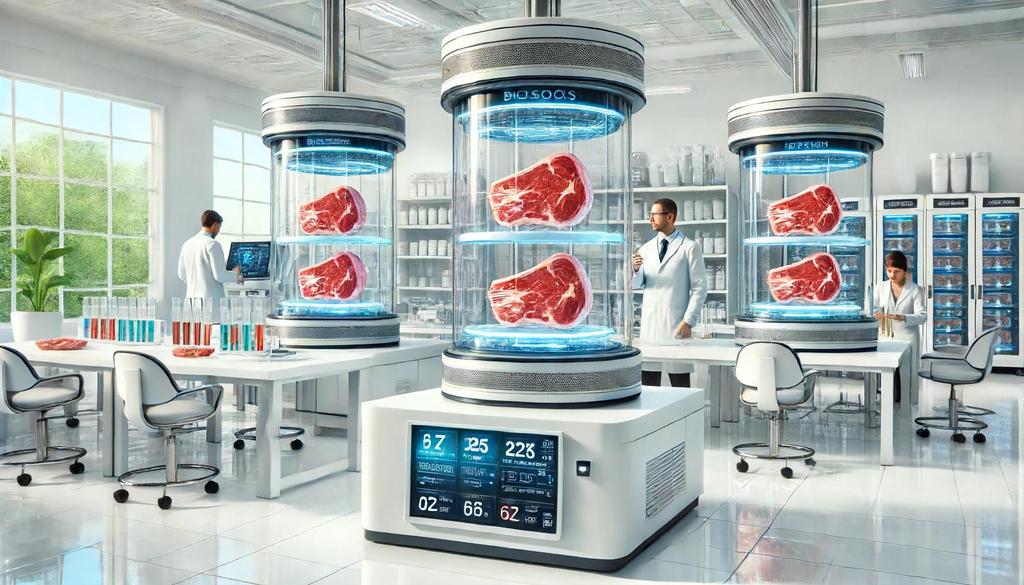
In a significant move, Jeff Bezos has upped his funding for the development of lab-grown and alternative meats from $60 million to $100 million. This increase underlines the importance he places on this sector as a means to address food production’s environmental impact. The Bezos Earth Fund announced its intention to establish a series of “Bezos Centers for Sustainable Protein,” aiming to overcome critical barriers such as production costs, taste, and nutritional content. The initiative’s first major investment is a $30 million grant to North Carolina State University (NC State) to set up a biomanufacturing hub dedicated to environmentally friendly and nutritious dietary proteins.
Bezos Centers for Sustainable Protein
These centers, starting with the hub at NC State, focus on the development of plant-based, precision-fermented, and cultivated meats. Precision fermentation involves using microorganisms to produce specific proteins, which can replace animal-based products in food. Cultivated meat, on the other hand, is created by growing animal cells in a lab, eliminating the need for traditional livestock farming. The aim is to create products that are healthy, tasty, affordable, and eco-friendly.
The initiative is timely, as food production is the second-largest source of greenhouse gas emissions, making it vital to discover ways to feed a growing global population without further harming the environment. Andrew Steer, president and CEO of the Earth Fund, emphasized that sustainable protein has immense potential, but more research is essential to reduce production costs and enhance flavor and texture.

The Bezos Earth Fund’s Multifaceted Approach
Overview of the Bezos Earth Fund Programs
The Bezos Earth Fund is not limiting its efforts to alternative proteins. The fund’s initiatives span several key areas, each critical to combating climate change and preserving biodiversity. Since its inception, the Fund has committed over $2 billion through more than 230 grants across seven main programs. These programs include conserving and restoring nature, transforming food systems, promoting environmental justice, decarbonizing energy and industry, leveraging economics, finance, and markets, advancing next-generation technologies, and emphasizing the importance of monitoring, data, and accountability.
Future of Food
Transforming the global food system is another significant focus for the Bezos Earth Fund, which has allocated $1 billion to this cause. The current food system is responsible for a vast amount of greenhouse gas emissions and is a primary driver of deforestation and biodiversity loss. Additionally, it faces the challenge of feeding a growing population, which is expected to reach 10 billion by 2050.
The Fund’s approach includes encouraging less land-intensive agricultural practices and integrating nature-based solutions into food production. This transformation involves rethinking diets, market systems, and the entire food supply chain to drastically reduce its environmental footprint while ensuring healthy and diverse food for all. One of the promising areas is the potential of agriculture to capture and store greenhouse gases, which can significantly contribute to climate mitigation.
Accelerating Alternative Proteins for a Sustainable Food System
In collaboration with the Good Food Institute (GFI), a nonprofit organization specializing in alternative protein innovation, the Bezos Earth Fund aims to accelerate the development of alternative proteins. The goal is to reach a point where plant-based and cultivated meats can compete with conventional meat in both taste and price. This initiative supports foundational, open-access research and creates roadmaps for policy, consumer, and market engagement necessary to sustain growth in the alternative protein sector.
The focus areas include:
- Creating more sustainable livelihoods for farmers.
- Increasing the resilience of the global food system.
- Addressing the pressing R&D challenges within the sector.
The Bezos Earth Fund hopes to make alternative proteins a mainstream option in the global food market by supporting a broad range of innovative solutions.

AI Solutions for Climate Change and Nature Loss
AI for Climate and Nature Grand Challenge
In addition to his efforts in transforming the food industry, Jeff Bezos has also recognized the potential of artificial intelligence (AI) to combat climate change and protect biodiversity. In April 2024, the Bezos Earth Fund announced a $100 million investment in AI solutions through the AI for Climate and Nature Grand Challenge. The initiative aims to explore how modern AI might address critical environmental issues and inspire collaboration between environmental groups and AI technology providers.
Focus Areas and Phases of Funding
The Grand Challenge focuses on three primary areas: sustainable proteins, biodiversity conservation, and power grid optimization. Additionally, there is a “Wild Card” category for innovative ideas that fall outside these areas. The program will roll out in multiple phases. In the first phase, up to 30 seed grants will be awarded to promising ideas. Selected projects will receive further support in phase two, including grants of up to $2 million to develop their concepts into viable solutions.
The program aims to leverage AI’s potential by supporting practitioners, researchers, and innovators from various sectors, including universities, NGOs, and private companies. Proposals are expected to involve partnerships that combine climate and nature problem-solving expertise with AI technology skills.
Impact and Vision
Jeff Bezos and Lauren Sánchez have emphasized that AI may be key to solving some of our most daunting environmental challenges. By bringing together brilliant minds across different fields, the initiative hopes to create new paths forward in addressing climate change and nature loss. Dr. Andrew Steer, President and CEO of the Bezos Earth Fund, highlighted the potential of AI to provide unexpected breakthrough solutions in the fight against environmental degradation.
Carbon Offsets and Controversies
The Role and Impact of Carbon Offsets
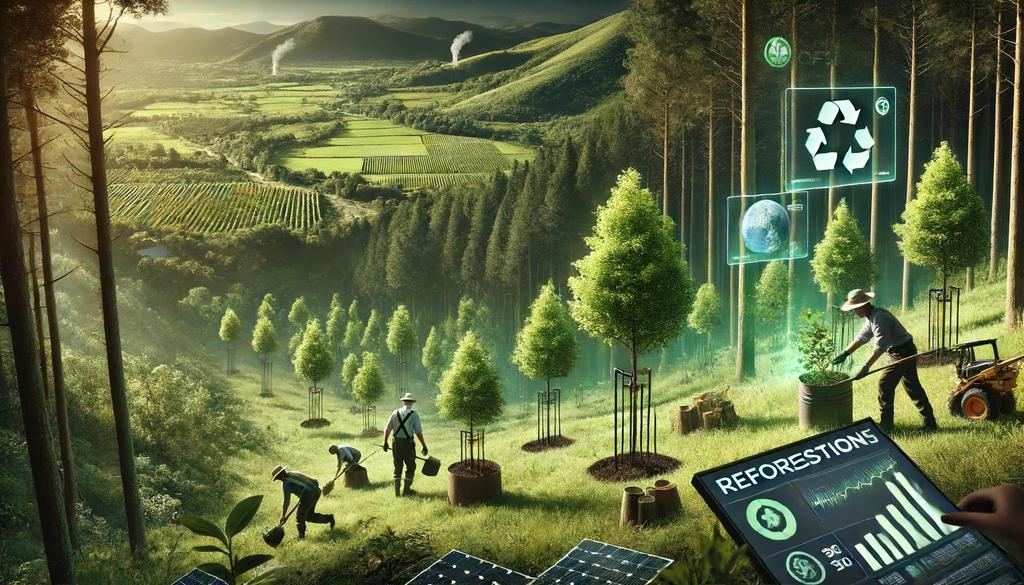
Carbon offsets are a mechanism where companies or individuals compensate for their greenhouse gas emissions by investing in environmental projects that reduce an equivalent amount of emissions elsewhere. These can include initiatives like reforestation, renewable energy projects, or methane capture from landfills. The concept is to balance out emissions through these environmentally beneficial projects. However, carbon offsets have become a divisive topic. Critics argue that they can be a form of greenwashing, where companies use them as a shortcut to avoid making real reductions in their emissions.
Internal Conflicts within Climate Organizations
The controversy came to a head within the Science Based Targets initiative (SBTi), a body responsible for assessing if companies’ climate targets align with the goals of the Paris Agreement. Earlier this year, the SBTi board unexpectedly announced that companies could use carbon offsets to meet their climate targets for indirect emissions. This caused an uproar among staff and technical advisers who feared it could lead to greenwashing. They argued that it prioritizes company-friendly policies over genuine environmental action.
The Influence of the Bezos Earth Fund
Concerns have been raised about the influence of the Bezos Earth Fund over critical environmental institutions. The Fund, which has provided substantial grants to many organizations, is seen by some as wielding too much power, potentially swaying decisions and policies to align with its interests. Critics argue that this concentration of influence could undermine the independence and credibility of these organizations. In response, representatives from the Bezos Earth Fund insist that their grants are given to further the public interest and that they support high-integrity standards and transparency.

Potential Future for Lab-Grown Meat and AI Solutions
Sustainable Food Production
Lab-grown and plant-based meats represent a major shift in how we might produce food sustainably in the future. Traditional livestock farming is resource-intensive and a significant contributor to greenhouse gas emissions. In contrast, lab-grown meat is produced by culturing animal cells in a controlled environment, significantly reducing land use, water consumption, and emissions. If these products can achieve taste and price parity with conventional meat, they could become a mainstream food source, reducing the environmental footprint of our food system significantly.
AI in Addressing Global Environmental Challenges
Artificial intelligence (AI) holds immense potential for addressing various environmental challenges. For instance, AI can optimize power grids to integrate renewable energy sources more efficiently, reducing our reliance on fossil fuels. In biodiversity conservation, AI can analyze vast amounts of data to monitor ecosystems and predict environmental changes, helping to protect endangered species and habitats. When combined with innovations like lab-grown meat, AI can also enhance production processes, making them more efficient and scalable.
Synergy Between Lab-Grown Meat and AI
The intersection of lab-grown meat and AI presents exciting opportunities. AI can streamline the cultivation of lab-grown meat by optimizing growth conditions and improving production yields. This synergy could accelerate the scale-up of lab-grown meat production, making it commercially viable sooner. AI technologies could also help in fine-tuning the nutritional content of lab-grown meat, ensuring it meets dietary needs while being environmentally friendly. This integrated technological approach promises a sustainable and resilient future food system.

Jeff Bezos’s Earth Fund Pioneers Sustainability with Lab-Grown Meats and AI
Jeff Bezos’s substantial investments through the Bezos Earth Fund reflect a comprehensive effort to tackle some of the most pressing environmental issues of our time. From supporting the development of lab-grown meats and alternative proteins to leveraging AI for climate solutions, these initiatives showcase a forward-thinking approach to sustainability. While controversies around the use of carbon offsets and the influence of large philanthropic funds persist, the potential benefits of these investments in creating a sustainable and resilient future are immense.
By pushing the boundaries of technology and innovation, the Bezos Earth Fund aims to foster a world where people and nature can thrive in harmony. The integration of lab-grown meats and AI solutions could revolutionize how we produce food and address environmental challenges, paving the way for a greener, more sustainable planet.


