
In recognition of International Reducing CO2 Emissions Day, an occasion that has captivated environmentalists and policymakers alike since its origins, we stand at a pivotal crossroads in our climate narrative. This day, observed on January 28th, reminds us annually of the science-led awakening led by Svante Arrhenius and Guy Callendar, who underscored the direct linkage between carbon dioxide levels and the earth’s rising temperatures.

I. Embracing Circular Economics: Our Key to Achieving Climate Goals
At the heart of this year’s reflection lies a robust solution that’s gaining unprecedented momentum: the circular economy. The latest report from engineering giant ABB Motion rings with stark clarity, underscoring the accelerated investments in circular economy practices by an astounding 90% of industrial firms – a reactive measure to the glaring resource scarcities threatening our sustainable future. The circular economy, a systemic approach to economic development designed to benefit businesses, society, and the environment, is not just a buzzword; it’s a beacon of hope and a practical pathway toward achieving our ambitious climate change goals.
As climate change pressures intensify, it is increasingly evident that traditional linear economic models are unfit for the challenges we face. Therefore, as we delve into the transformative potential of circular economics, a model that reimagines waste as a resource and emphasizes the regeneration of materials, we unearth both the pivotal role of industrial innovation and the power of individual action in co-creating a sustainable, low-carbon future. Our collective mission is clear: proactively adapting, innovating, and embracing circular economics as a remedy and a strategy for a thriving planet.

II. The Rising Tide of Circular Economy Investments
Amid glaring signals of an impending resource scarcity crisis, a recent ABB Motion report reveals a seismic shift in the corporate world. There has been a remarkable spike in circular economy investments by industrial businesses, with an overwhelming 90% acknowledging the impact of scarce resources on their operations. The narrative of circular economic practices has swiftly transitioned from an environmentalist’s advocacy to an industrial imperative. This shift has occurred as companies grapple with the tangible threats to their supply chains and realize the financial and sustainability benefits of adopting circular models.
Unlocking Sustainable Growth: The Power of the Circular Economy
The circular economy framework stands as a defiant response to the take-make-waste archetype of the linear economy, which has now yielded unviable results in the age of environmental enlightenment. By embracing a closed-loop system, industries are transitioning towards more sustainable practices, reducing waste and preserving resources, thus contributing to the reduction of carbon emissions. This concept does more than generate environmental resilience; it offers a strategic reboot for profitability and long-term growth in a world where resources are becoming increasingly finite.
As we shine a light on the significant investment upsurge in circularity, it’s imperative to understand the driving forces behind it. Amidst an international call to combat climate change, the investment in circularity isn’t merely a shift; it’s a strategic rally. Circular economics not only promises to slash carbon emissions but reinforces the longevity and adaptability of businesses in a market that’s rewarding those who prioritize green initiatives.
Redefining Prosperity: The Imperative of Circular Economy Investments
This growth in circular business investment isn’t just a trend; it’s an awakening to the reality that re-designing our economic systems is non-negotiable in the quest to meet the pressing 50% emissions reduction target within seven years, as indicated by several environmental experts. By illustrating the practicality and necessity of a circular economy in this critical moment, businesses worldwide are not just preparing for a future with tapered resources—they are actively shaping it for the better. As circular economy investments rise, they forge a vibrant beacon in the narrative of our ecological evolution—a concrete step towards a sustainable future and a cleaner, more resilient economy.

III. The Climate Change Alarm
As the calendar turned past International Reducing CO2 Emissions Day this January, the stark reminder of our collective obligation to curtail carbon emissions has never been more urgent. The facts are incontestable, and the science unwavering—our planet’s health is in jeopardy, and the time to act is slipping through our grasp with each passing year. The alarming necessity to reduce emissions by a substantial 50% within the next seven years has been echoed by climate scientists and environmental policymakers throughout the globe.
Climate Crisis: The Imperative Shift to Sustainable Action
This urgent call to decelerate the pace of global warming—whose catastrophic symptoms bear down in the form of severe weather events, rising sea levels, and biodiversity loss—anchors a stark reality: Our efforts in reducing CO2 emissions are not merely about marking a day of awareness but an existential imperative. Historical milestones such as the Kyoto Protocol and the revolutionary Paris Agreement paved the way for a global narrative of reduction and accountability. Yet, as these landmark protocols’ goals loom, we find ourselves in a race against time to shift the tide of our carbon-intensive activities.
The gravity of this climate change alarm reverberates across nations, industries, and communities, becoming the underpinning rationale for a paradigm shift toward sustainable practices. Acknowledging our carbon footprint’s impact is only the precursor to action, and the enactment of proactive measures is more critical now than ever. As we navigate through the decisive decade for our environment, the push for innovation, collaboration, and a steadfast commitment to reducing CO2 emissions remains paramount.
Everyday Actions: Uniting for a Sustainable Planet
Infusing the climate change rhetoric with a note of pragmatism and hope, the appeal for reduced emissions transcends the ceremonial and becomes deeply operational. It is foundational to our progress as a resilient and conscientious society, a daily quest to reimagine our energies, industries, and economies in harmony with nature. The clarion call of our times is robust and clear—the pathway to a healthier planet lies in a deeply integrated approach that views every day as an opportunity to reduce, reuse, recycle, and renew.

IV. Circular Economics as a Solution to the Climate Crisis
In the contemporary battle against climate change and soaring carbon emissions, the silver bullet may be found in circular economics principles. This innovative concept offers a promising resolution to the climate crisis that International Reducing CO2 Emissions Day brings into sharp focus. Circular economics defies the unsustainable life cycle of products characterized by the ‘take, make, dispose’ pattern, advancing instead a regenerative and restorative design.
The ABB Motion report illuminates the pivotal transition toward circular practices, with industrial firms upping the ante by propelling investments in circularity at a significant rate. The mounting pressure upon resources underscores the necessity of adapting to circular economics, rendering a transition to this model both a savvy business strategy and a crucial environmental course correct.
Decarbonizing Through Circularity: A Path to Climate Goals
Circular economies are built on the foundation of waste minimization, extending the lifespan of resources, and revamping production and consumption in a manner that redefines waste. By championing reuse, repair, refurbishment, and recycling within economic systems, the circular approach stands as an antidote to carbon emissions—a notable contributor to the global greenhouse effect.
The circular economy’s inherent capacity to lower emissions by optimizing resource utilization makes it an indispensable tool in the fight against climate change. Reducing the demand for extraction and curtailing manufacturing-related emissions through the circulation of products and materials offers a tangible path toward climate goals. By embedding sustainability into the core of economic activities, a circular economy can lead the charge in achieving a decarbonized future that aligns with our planet’s ecological limits.
Empowering Industries: Success Stories of Circular Economy Adoption
By spotlighting the efficacy of circular economics in addressing climate challenges, we underscore its integral role for industries poised on the cusp of change. Forward-looking businesses are not only aligning with circularity for compliance and profitability but also embodying a progressive ethos that resonates with the informed, sustainability-driven consumer of today.
Exploring the incredible success stories of circular economy business models, from circular supply chains to ‘as a service’ products, provides practical insights into tangible carbon emission reductions. This section will delve into the strategic adoption of circularity across sectors, substantiating how embracing a circular economy is not merely idealistic but an actionable, impactful means toward our climate commitments.
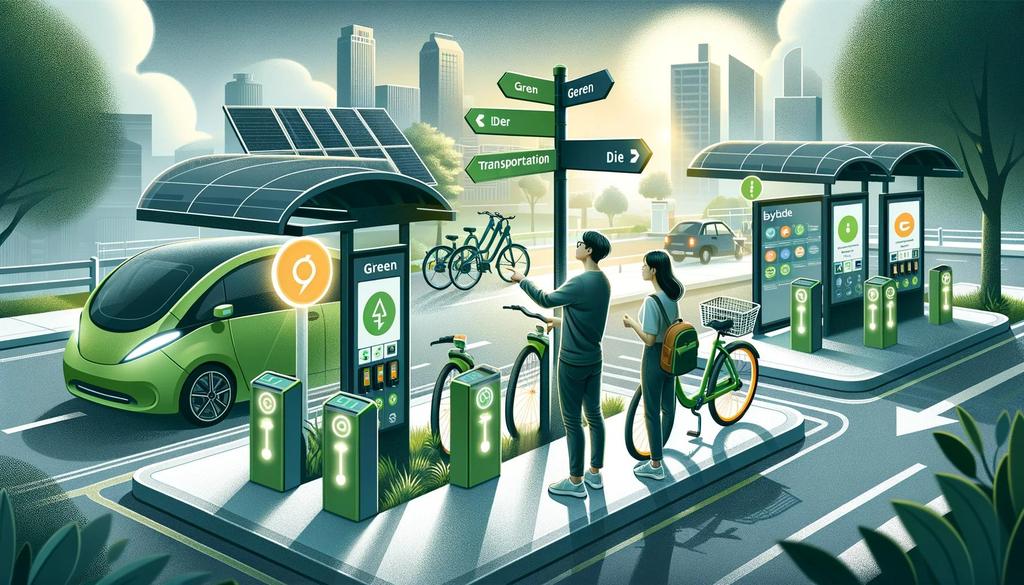
V. The Role of Industry and Individuals on this International Day
As the world digested the significance of International Reducing CO2 Emissions Day, the message was unequivocal — the contribution of industry and individuals to circular economic initiatives is paramount. Industrial firms are already steering the helm, as noted by the ABB Motion report’s revelation of a surge in investments toward circumventing resource scarcity through circular solutions.
This shift is pertinent not only for businesses but also for each global citizen. The role of individuals, in tandem with industry, in the grand tapestry of climate action cannot be understated. From mindful consumption to active participation in the recycling economy, our daily choices resonate through the climate narrative. We postpone the point of no return with each action we take to reduce our carbon footprint, underscoring the potency of collective responsibility.
As we bridge the gap between awareness and action, let’s use International Reducing CO2 Emissions Day as the impetus for sustained, year-round efforts. Whether by advocating for policy changes, supporting eco-conscious businesses, or incorporating circular economy principles into our lifestyle, the transformation towards a sustainable future is spawned through intentional, incremental steps.

VI. Looking Forward
Moving forward, celebrating achievements on International Reducing CO2 Emissions Day must go hand-in-hand with a steadfast resolve to continue this momentum. Innovations in the circular economy are essential for meeting our climate objectives and must be recognized as long-term investments rather than short-term fixes. The call to action is clear — the necessity to embed sustainability and circular principles into the fabric of our global economy is no longer optional.
As we glance ahead, each year must be seen as a critical step toward our target to slash carbon emissions by the significant thresholds required to curb global warming. Embracing circular economics is to commit to a transformation that ranges from manufacturing processes to everyday lifestyle choices, all aimed at preserving the environment and ensuring its longevity for future generations.

VII. Final Remarks
In conclusion, as we reflect on the events of International Redifying Carbon Emissions Day and the facts laid bare by the ABB Motion study, it is evident that the adoption of circular economy principles is more than just an environmental stance — it is a necessary evolution. With heightened investments and a concerted push from both industry and consumers, the transition to a circular economic model doesn’t just promise a greener future but positions us at the vanguard of socio-economic transformation.
In this defining era of environmental consciousness, let us take bold strides toward remolding our economic systems. Let us pledge to treat every day with the significance of International Reducing CO2 Emissions Day, with informed decisions and unwavering activism. Together, we forge a sustainable path to not merely escape doom but thrive within the ecological balance we’ve pledged to restore and maintain.


