
In a world teetering on the brink of irreversible climate change, the steel industry—a long-standing bastion of modern infrastructure—stands at the precipice of a revolution. It’s a tale as old as time, with a contemporary twist: the quest for forging steel, the backbone of civilizations, has led us down the winding path of innovation and into the fiery heart of green manufacturing. As the clarion call for environmental stewardship resonates louder each day, the mammoth industry, once powered by the voracious appetite of coal-hungry blast furnaces, is under the spotlight to metamorphose into the paragon of sustainability.

The Quest for Green Steel’s Eureka Moment
Enter the dawn of green steel—a term that’s rapidly shifting from a utopian vision to an achievable reality, gripping the industry with palpable fervor. The seemingly Sisyphean task of producing steel without sullying the planet’s skies with carbon-rich plumes is a juggernaut of both technological complexity and economic intrigue. It is here, in the labyrinthine dance between ore and metallurgy, that a vanguard of scientific researchers at Stanford University has unveiled a crucial piece of the puzzle—whiskering nanoparticles, a nanoscale nemesis standing guard at the gates of green steel efficiency.
With 8% of all greenhouse gases attributed to its smokestacks, the steel sector’s traditional reliance on coal is no longer a bedfellow to our ambitions of a greener tomorrow. As these environmental alarums grow unrelenting, the industry’s titans are thrust into the limelight, challenged to heed the siren calls for transformation. The once-distant murmur for change has crescendoed into a thunderous demand for systemic upheaval, where investment in circular economy practices burgeons across the industrial tapestry. A staggering 90% of industrial firms are unleashing their coffers like never before, pouring capital into the circular economy to skirt the threat of a diminishing resource horizon.
As the narrative unfolds, the plight of green steel becomes more than a quest for a cleaner industry—it has become a rallying cry for the ages. We stand, fellow stewards of the Earth, on the cusp of an era where steel’s carbon-emitting sins are absolved through the sacrament of green innovation. Join us in this epoch-defining journey through the crucible as we forge ahead to bend the anvil of progress into the shape of our sustainable desires. It is a tale of redemption, of science, and of the indomitable human spirit: the Herculean quest for the green steel Holy Grail.
I. The Technical Trials of Green Steel Production
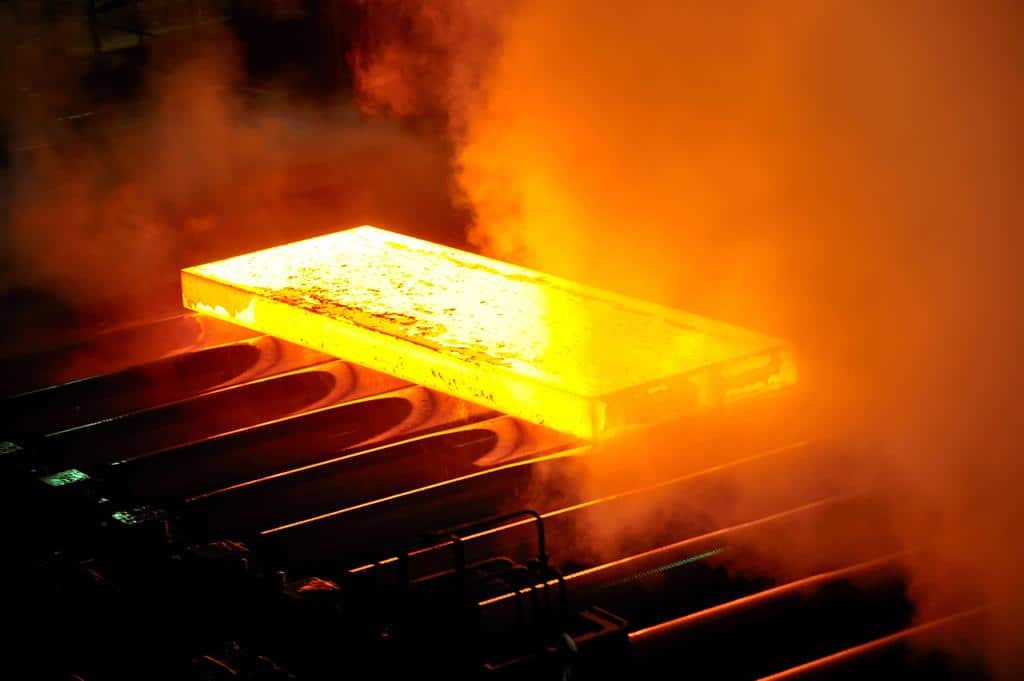
For centuries, the art of creating steel from iron has showcased the brilliance of human creativity. Today, as the drumbeat for ecological preservation grows louder, the steel industry is staring down its most significant transformation yet. The emergence of green steel production is no longer a lofty ideal but a critical milestone on the path to eco-friendly industrialization.
Transforming Steelmaking: From Iron Ore to Eco-Friendly Metallurgy
The dominance of traditional blast furnaces, consuming immense amounts of coal to process iron ore into steel, confronts a stark environmental reality. Accounting for a hefty 8% of worldwide greenhouse gas emissions, classic steel production processes are now under environmental scrutiny.
Hydrogen-powered steelmaking rises as the green contender, promising a cleaner flame that produces mere water vapor instead of carbon emissions. This bright prospect for eco-friendly steel represents a fresh but challenging paradigm shift as the industry wrestles with the complex transition away from coal reliance toward hydrogen.
The Efficiency Challenge: Taming Nanotechnology for Green Steel
Hydrogen-based steel production faces efficiency challenges that don’t affect coal-fired plants, and until recent Stanford University research, the reasons were unclear. One key discovery is that nanoscale particles in iron ore form whisker-like structures that clog reactors during the hydrogen reaction, leading to a reduction in efficiency and eventual reactor failure.
This phenomenon, known as “whiskering,” has been a significant hurdle in transitioning to hydrogen-based “green steel” production. These tiny irritants, which could limit the effectiveness and longevity of green steel reactors, are now the focus of scientific inquiry as the quest for sustainable steel confronts these nanoscale foes head-on.
Tackling the technical challenges of green steel manufacturing may seem daunting, but the determination shared by industry experts and researchers is as strong as iron. The ultimate question is whether a bold alliance between proven methods and modern science can reforge the steel industry, renowned not just for its enduring strength but also for its commitment to a sustainable future. The journey toward green steel is paved with complex trials, yet the promise it holds for a healthier planet is a goal worth striving for.

II. Economic and Policy Detours on the Road to Green Steel
As the steel industry seeks to balance profitability with planetary well-being, it encounters a collision of factors influencing its direction toward a sustainable future. This segment delves into the complex nexus between the economics of innovation and the driving force of policymaking in the race toward green steel.
Investment vs. Impact: The Financial Equation of Sustainable Steel
Making the leap to green steel production is a costly endeavor. Upfront investments to revamp old facilities and adopt hydrogen-fueled technology pose a significant financial hurdle for producers. Specifically, transitioning to green steel production using hydrogen is approximately twice as expensive as coal-based steel production. This cost disparity presents a substantial economic barrier that must be overcome for widespread adoption of the greener steelmaking process.
Yet, the early costs of embracing low-carbon steel are offset by a vision of long-term prosperity. Innovations in sustainable steel promise operational resilience and usher in a new breed of business models attuned to a market where eco-consciousness is an ever-growing demand.
Shaping the Future: The Role of Policies in Green Steel Advancement
Governmental policies wield the power to accelerate the transition towards green steel. Incentives like subsidies, tax reliefs, and investment grants can significantly reduce the financial burdens of adopting sustainable practices.
Global environmental pacts and policy agreements create a competitive landscape for adopting greener technologies. With initiatives like green tariffs and international cooperation, the steel industry can confidently step forward into sustainability without sacrificing commercial viability.
In navigating these economic currents and policy winds, the trail to green steel is being charted. It underscores the pivotal role of supportive fiscal structures and innovative regulatory frameworks in not only realizing the dream of green steel but also ensuring the industry thrives economically while becoming a bastion of eco-friendly manufacturing.

III. The Circular Economy: An Industry’s Rebirth
As we turn the page on the old, linear ways of industrial production, the steel sector is at the vanguard of a new movement: the circular economy. This paradigm shift reimagines the production cycle as a regenerative loop, where waste is an outdated concept and materials are endlessly repurposed.
Turning Waste into Wealth in the Steel Industry
By integrating circular economy strategies into its core, the steel industry is witnessing a radical change: scrap metal and by-products, once discarded, are now being repurposed as valuable resources. This shift is pivotal in reducing environmental impact and sparking new levels of creativity in industrial processes.
The benefits of adopting a circular model are wide-ranging. They extend from conserving raw materials and shrinking landfill footprints to boosting energy efficiency, which together contribute to lower carbon emissions and endorse a more sustainable industry.
Industry’s Leap toward Sustainability through Circular Practices
Steel manufacturers are actively reinventing their operations, transcending theory to bring circular economy concepts to life. They are pioneering new ways to source materials, refining manufacturing techniques, and elevating recycling methodologies to create a more sustainable and economically viable lifecycle for their products.
Evidence of this industrial metamorphosis is seen in the overwhelming 90% of firms ramping up their investment in circular economy practices, highlighting a strategic response to resource limitations and a dedication to sustainable production.

IV. Technological Fortitude: Overcoming Green Manufacturing Barriers
As the industry marches towards a cleaner future, pioneering tech and relentless research are fueling a breakthrough in overcoming the challenges of green steel manufacturing.
Innovation at the Forefront of Sustainable Steel Production
Spearheaded by institutions like Stanford University, the steel industry is witnessing a surge in innovation aimed at demystifying and dismantling the obstacles posed by hydrogen steel production. Their exploration into the atomic realms is unveiling solutions that promise to streamline and maximize the efficiency of green steel reactors.
Led by Leora Dresselhaus-Marais, the team discovered that the efficiency issues arise from nanoscale particles within iron ore that, under high heat, form clogging whisker-like structures in reactors. These findings shift the focus to the behavior of these minuscule particles, offering a roadmap for designing new or improving existing reactors.
Their proposal includes potentially bypassing the wüstite phase in the iron reduction process, instead moving directly from magnetite to pure iron and using novel feedstocks to sidestep current limitations. This innovative approach could refine hydrogen reduction, alleviate whiskering, and ultimately revolutionize green steel processes, setting a new course for a sustainable steel industry.
This innovation-led march is crucial as the shift to green steel necessitates embracing new technologies. These advances in research and development mark a critical step, offering a bridge from theoretical science to tangible environmental benefits within steel production.

Real-World Triumphs in Green Steel Implementation
The journey of green steel from concept to implementation gains credibility through the success stories of industry giants. Notable examples include Sweden’s HYBRIT initiative and America’s own Nucor Corporation, who are actualizing the potential of hydrogen in steelmaking.
HYBRIT Pioneers the Green Steel Revolution Through Hydrogen Technology
HYBRIT, an initiative from Sweden, showcases an inspiring leap in green steel production by harnessing hydrogen as a replacement for coke in the iron ore reduction process. This collective endeavor by steel company SSAB, mining organization LKAB, and energy firm Vattenfall has the ambitious goal of converting the entire steel production process to this technology by 2035. The employment of hydrogen in place of coal not only significantly decreases carbon emissions but also illustrates the industry’s commitment to innovation and sustainability, framing a blueprint for carbon-neutral steel.
Nucor’s Leap into Eco-friendly Steel with Electric Arc Furnace Technology
On the other side of the Atlantic, America’s Nucor Corporation is also making strides with its foray into sustainable steel production, leveraging electric arc furnace (EAF) technology. The advantage of EAFs is the enhanced energy efficiency and the ability to melt down recycled scrap steel, which greatly diminishes the environmental footprint associated with steel production. Nucor’s investments in EAF technology represent its proactive stance on sustainable practices and highlight the viability and environmental benefits of integrating recycled materials in the steelmaking process.
Proof of Working Models
These case studies not only showcase the practicality of green innovations but also serve as beacons of progress for the sector. They demonstrate how evidence-based solutions can successfully navigate the path to greener steel industry, laying the groundwork for widespread adaptation.

V. Internal and External Collaborations: Success through Synergy
In the quest for green steel, unity is strength. The combined efforts of diverse partners are creating a robust push for sustainable development in an industry undergoing a historic transformation.
Partnerships Fueling Sustainable Steel Innovations
A collaborative triad of government support, corporate innovation, and academic research is crafting a new chapter for the steel industry. These multipartite ventures are pivotal in transforming the green steel dream into a practical, tangible reality.
When industries unite for a common environmental cause, the resulting synergy bolsters progress in ways no lone player could. Such collaborations are fertile grounds for shared ideas, leading to comprehensive, system-wide approaches that tackle the green steel challenge from all angles.
Crafting a Worldwide Network for Eco-Friendly Steel
Curbing the carbon footprint of steel is a quest that transcends borders, making global collaboration essential. As partnerships extend beyond localities, they create a powerful international network, multiplying the reach of each innovation and bolstering global policy impact.
Forums discussing green manufacturing, projects like the HYBRIT initiative, and other international exchanges are knitting together expertise from around the world. This global coalition is a testament to the collective will propelling the steel industry toward a sustainable and inclusive future, embracing every region in its stride.
VI. The Consumer’s Crucible: Demand and Awareness
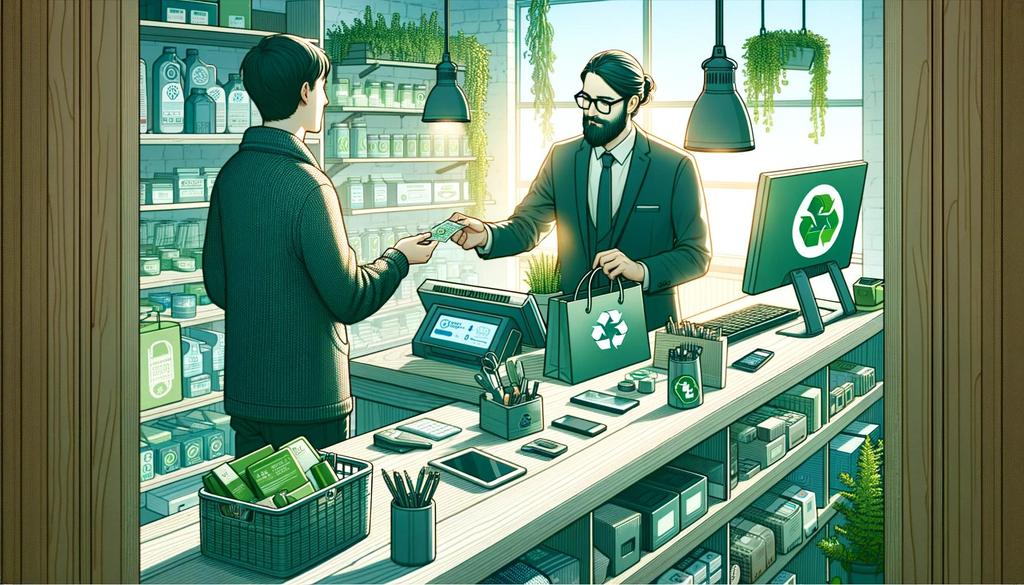
In today’s evolving steel industry, consumers are becoming key players, wielding their power to drive demand for sustainable, eco-friendly steel products and influence the very core of production with their environmentally-conscious decisions.
Cultivating a Demand for Sustainability in the Steel Market
Education and active engagement are essential in fostering an eco-conscious mindset among consumers, pivotal for the mainstream acceptance of green steel. As industry players and advocacy groups work to elevate awareness, “green steel advantages” must join the lexicon of both enthusiasts and the general public.
By utilizing digital platforms effectively, the steel industry can place the spotlight on the environmental advantages of green steel, swaying consumer choice and helping to establish sustainability as the new norm within the marketplace for everything from structural materials to automobiles.
Earning Consumer Trust in Green Steel through Certification and Transparency
In a marketplace conscious of environmental impact, trust becomes the currency of value. Sustainability certifications and clear labeling become the guiding lights for eco-aware consumers, distinguishing green steel from traditional alternatives.
Today’s consumers are scrutinizing the origins and production methods of their purchases more than ever. They demand transparent practices and concrete sustainability credentials that validate the eco-friendly claims of steel products, thereby propelling the industry towards an era where environmental and ethical standards are inextricably linked.

VII. Sustainable Forge: Eco-Innovation in Steel Material
As the steel industry forges ahead, it’s at the forefront of a revolution, molding an exciting future where cutting-edge eco-innovations meet the robust demands of steel production, giving rise to the new age of eco-friendly steel materials.
Advancing Steel with Green Alloys
The potential for green alloys extends beyond the realm of possibility into the tangible impact of innovations like Polymer Injection Technology. Industry frontrunners such as OneSteel are already demonstrating how sustainable practices can reincarnate post-consumer waste into resilient, structurally sound materials.
Such forward-thinking approaches not only embrace the principles of the circular economy but also redefine how we view and value previously discarded resources. It’s this avant-garde approach that’s paving the way for complete resource rejuvenation and the enhanced sustainability of the steel sector.
Bio-Based Solutions: Pioneering a Sustainable Steel Future
On the cutting edge of eco-innovation, bio-based solutions for steel production promise a transformative impact. Initiatives like UNSW’s Green Steel 2.0+ are reimagining how everyday organic waste can become the building blocks of the steelmaking process, bypassing traditional, carbon-intensive ingredients.
This bold leap is not merely superficial; it embeds the essence of a green philosophy into steel’s lifecycle, embodying the ultimate goals of a circular economy. These emerging solutions signal a paradigm shift towards a greener future where the steel industry not only adapts but leads by example in eco-friendly innovation.
Harnessing Hydrogen Plasma: Turning Red Mud into Green Steel
Among innovative eco-solutions in the sustainable forge stands the breakthrough method of using climate-neutral hydrogen plasma to repurpose red mud—typically a byproduct of bauxite refinement for aluminum production—into green steel.
Red mud, abundant in iron oxides, has been mostly viewed as a costly environmental hazard, creating storage and pollution challenges. However, a transformative process spearheaded by researchers proposes treating red mud with hydrogen plasma, which efficiently separates pure, highly metalized iron from the waste material, suitable for immediate use in steel production without generating direct CO2 emissions.
This technique not only neutralizes the problematic waste but also provides a valuable addendum to the circular economy by offering a dual solution that impacts both the aluminum and the steel industry whilst tackling environmental concerns head-on. The relevance and potential scalability of this process mark a promising chapter in material science, contributing significantly to the eco-innovation ethos of the ever-evolving steel industry.

Forging a Greener Future with the Steel of Tomorrow
As the ember of sustainability glows ever brighter in the heart of the steel industry, we find ourselves at the culmination of a journey through the intricate lattice of green steel production. This transformative tale, steeped in innovation and driven by a unified clarion call for environmental responsibility, has charted a course from the lab benches of Stanford to the industrial fortresses of Nucor and the pioneering grounds of Sweden’s HYBRIT project.
The narrative of green steel is no longer a distant vision but a burgeoning reality, one where every nanoparticle counts and collaboration reigns supreme. The insights gleaned from our journey reveal a future in which manufacturing steel no longer means indulging in a carbon-spewing past. Instead, it’s synonymous with embracing practices that prize circularity, innovation, and sustainability—principles that are becoming the new steel industry benchmarks.
As we stand at the threshold of a new era of manufacturing, it’s evident that the synergy between consumers’ eco-conscious choices and industries’ investments in circular solutions (as outlined by ABB Motion) is propelling us toward a sustainable tomorrow. The circular economy has unfurled its banner across our industrial horizons, signaling a move from wastefulness to resourcefulness and from environmental degradation to regeneration.
Industry leaders armed with Polymer Injection Technology, as showcased by OneSteel, and research institutions with visions of bio-based steelmaking, like UNSW’s Green Steel 2.0+, are the torchbearers on this path to progress. These forerunners exemplify the steel industry’s potential to weave sustainability into its very core, offering a planet-friendly blueprint that resonates with both heart and mind.
Therefore, as we craft the concluding chapter of this saga, let us remember that the story of green steel doesn’t end here. It’s continually being written with each forward thrust of technological breakthroughs and every mindful decision taken both in boardrooms and living rooms. The duty to reduce our carbon footprint, increase recycling rates, and invest in sustainable technologies is a continuous commitment that spans far beyond observance days and sporadic epiphanies.
Tomorrow’s steel is not just greener by color but by creed—a paragon of purpose and practicality. It calls on us to act, to innovate, and to inspire. It’s a standard that whispers of promise in the hum of every factory and the quiet resolve of every consumer. Together, we are the blacksmiths of a new epoch, hammering out the mettle of a brighter, greener future—one steel beam at a time.


