
The world is going through a plastic pollution crisis that is affecting not only the environment but the health of humans and all animals as well. From burning plastic causing severe health problems in people to marine creatures turning up dead and birds being found with bellies full of plastic, the situation is critical. In Europe alone, 60 million tons of plastics are produced, but only 30% of them are recycled. Worldwide, 79% of all the plastic waste that’s been generated has ended up as litter in the natural environment or a landfill, like a stain on the planet. National rules are now trying to reverse that: a new plastic waste regulation in Nigeria, for instance, requires producers to fund recovery and hit recycled-content targets.
People are starting to become more aware of the problems caused by plastic, and societies are planning out how to transition to a more circular economy where materials, like plastics, are reused at the end of their life. For this, new recycling technologies will play an important role. A few are being tested now that can take used plastic items and give them more than just a second life—they’re making the material as good as new. Things such as single-use food packaging, mattress foam, and even fiber-reinforced car parts can be broken down into the building blocks of plastic, which is then used to create something new.
Dr. Garcia Armingol, who is involved in the project, said, “We want to demonstrate that it’s possible to have a circular economy in the plastic sector.”
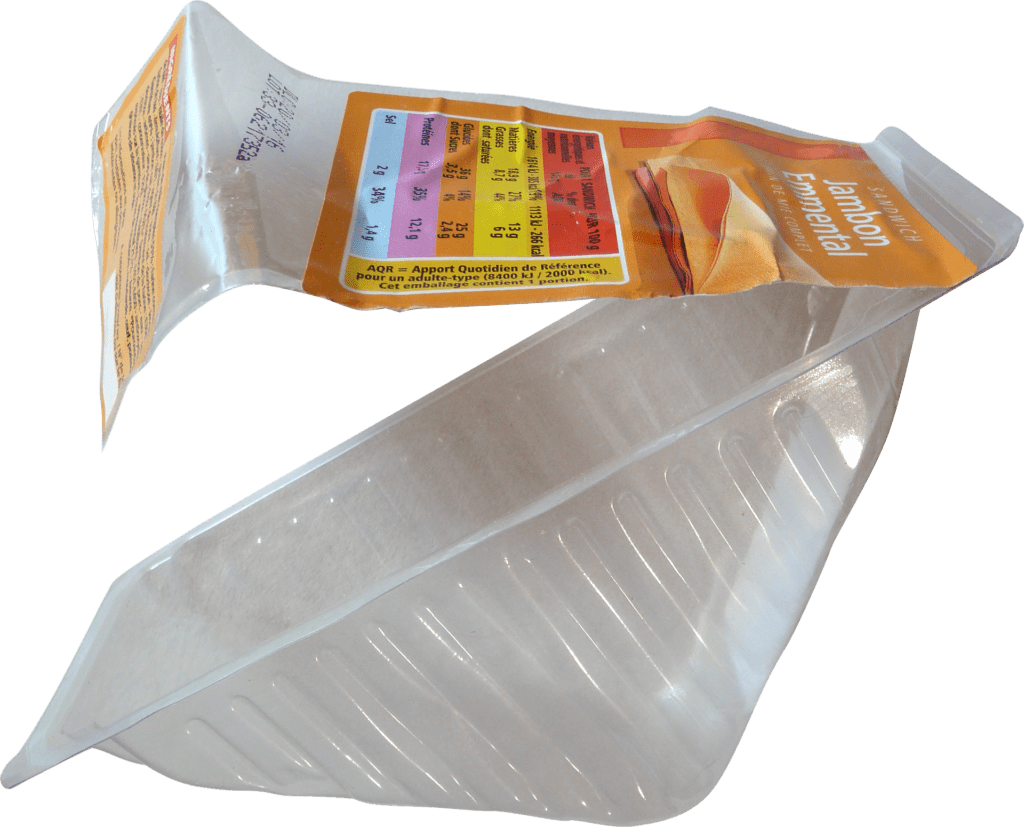
It’s challenging to recycle plastic because the packaging is often made up of different types of plastic. For example, some foods are packaged in a container with a protective film and a lid, all of which are made from various plastics. To recycle the package, the film, lid, and container have to be separated. The process is costly and time-consuming. These are the sort of items that end up in the landfill.
Dr. Elodie Bugnicourt, innovation unit leader at IRIS Technology Solutions, said, “Normally they are landfilled or in the best case (scenario), incinerated with energy recovery.”
Fiber-reinforced composites have a similar problem because they are plastic-based materials strengthened with other materials—and they are hard to separate. Fiber-reinforced composites are used in exterior and interior car parts like bumpers and textile-covered door panels.
These sorts of items are what Dr. Bugnicourt and her project partners are developing a recycling method for. The project is called MultiCycle, and it aims to scale up a patented process called CreaSolv, which can give multilayer packaging and fiber-reinforced composites a second life again and again. CreaSolv was developed by the Fraunhofer Institute in Munich, Germany.
The method involves a solvent-based formula. Plastics of different types and fibers are submerged in the solution, and they dissolve into the long chains of the molecule (called polymers) that make up the plastics. In this condition, the different kinds can be separated and extracted in solid form and then reshaped into plastic pellets. Those pellets can then be used to make new things.

There are other chemical recycling technologies in the works that degrade plastics down to the molecular level. The chemicals turn the plastic into monomers, which are smaller than polymers. However, the process is energy-intensive. CreaSolv is more efficient and equal in quality.
Dr. Bugnicourt said, “We recover a polymer instead of a monomer, which is an advantage because we don’t need to use energy to polymerize the material again.”
The team has already tested its technology with great success and is now designing a large-scale pilot plant in Bavaria. They know the method works on a small scale, but they aren’t sure yet how well it will process waste made up of complex mixtures of plastics on a large scale. If it all works out, the researchers envision the system as an add-on to existing recycling plants. However, specialized facilities could be set up as well.


