
Mosquitoes and ticks can turn an enjoyable backyard into an uncomfortable place to spend time. A few shaded corners, damp planting beds, overgrown borders, or containers holding rainwater may provide the conditions these pests need. Children, pets, and guests may all encounter these pests during ordinary outdoor activities.
The goal is to reduce shelter and breeding sites without giving up outdoor living. Consistent upkeep usually matters more than a single last-minute treatment before guests arrive. Build prevention into your regular weekly yard routine.
Why Your Yard May Be More Inviting Than You Realize
A yard does not need to look neglected to support mosquito and tick activity. Mosquitoes lay eggs in or near standing water, including small amounts collected in plant saucers, buckets, toys, clogged gutters, and other containers. They also rest in humid vegetation and sheltered patio areas. Understanding why mosquitoes love gardens can help you spot these resting sites earlier.
Ticks favor leaf litter, tall grass, brush, and the transition between lawns and wooded or planted areas. Overgrown fence lines, wood piles, and dense groundcover can shelter them.
Inspect decorative landscaping after rain or irrigation.
What Makes an Outdoor Control Plan Effective
Effective pest management starts with understanding the property. Look for standing water, dense shade, damp vegetation, and places where people or pets regularly move between open lawn and planted areas.
This may involve emptying containers, clearing leaf debris, trimming vegetation, correcting drainage, and adjusting irrigation. For persistent activity, homeowners may consider mosquito and tick control services that assess the property and recommend treatments based on pest activity and site conditions.
Ask what areas will be treated, how often service is recommended, and what precautions people and pets should follow.
Why Pest Activity Can Last Longer Than Expected
Warm temperatures can support mosquito development, while rainfall may create additional breeding sites if water collects around the property. Ticks can remain active beyond the period many homeowners associate with peak summer conditions, depending on the species and local environment.
Public health agencies monitor these pests because some mosquitoes and ticks can transmit diseases. The Centers for Disease Control and Prevention explains that bites can spread germs responsible for illnesses such as West Nile and Lyme disease. Prevention is therefore a practical part of household safety.
Common Mistakes in Do-It-Yourself Prevention
Many homeowners begin with candles, sprays, or a one-time fogging treatment before an outdoor gathering. If standing water remains, new mosquitoes can emerge after treatment.
Tick prevention is often too narrowly focused on mowing the lawn. Short grass helps, but ticks may remain in shaded borders, under shrubs, around wood piles, and beside structures where moisture is retained. Treating only the middle of the lawn can leave the areas most likely to support tick activity untouched.
Do not wait for frequent bites; inspect regularly and correct conditions early.
Yard Features That Deserve a Closer Look
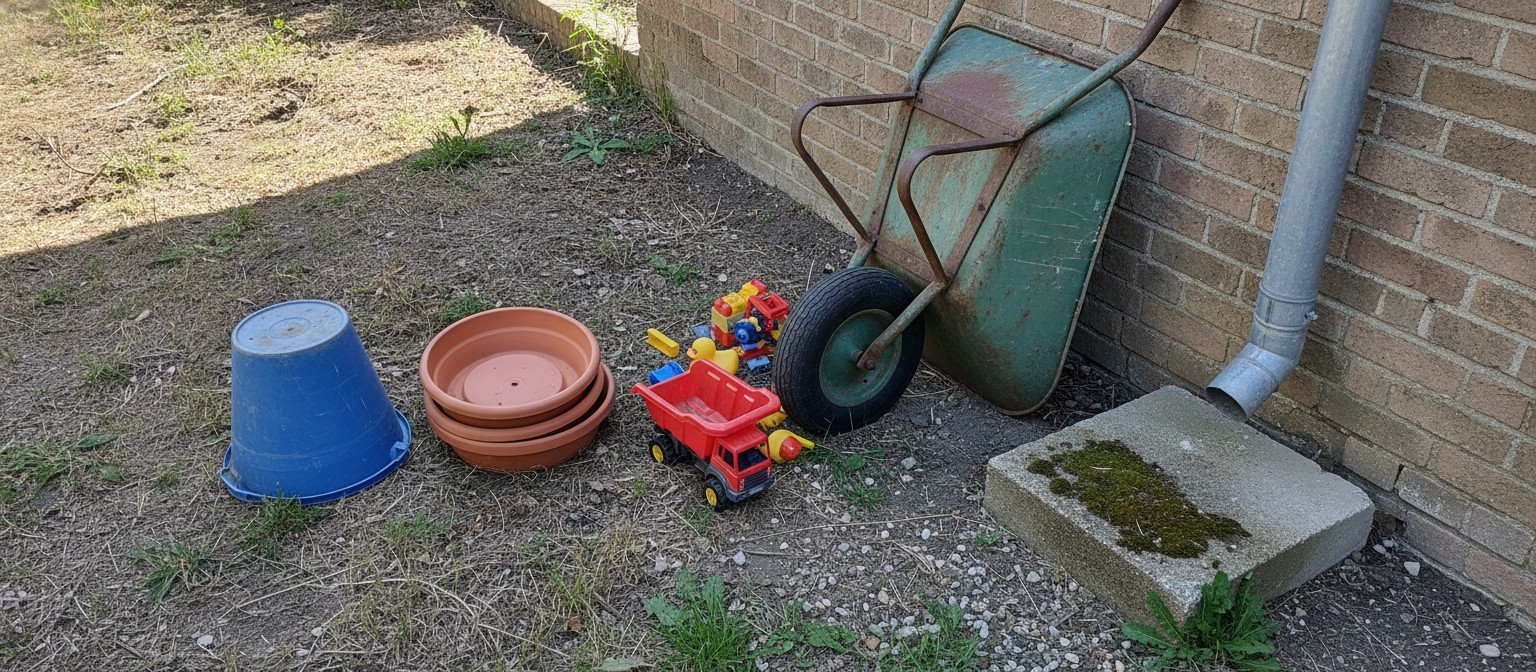
Birdbaths, plant trays, buckets, toys, tarps, wheelbarrows, and uncovered containers can collect rainwater. Empty and scrub items that hold water at least weekly, and keep gutters clear so water does not remain trapped.
The CDC’s home mosquito-control guidance recommends regularly emptying, scrubbing, covering, or disposing of items that collect water. It also explains how to manage containers that cannot be emptied or covered. Make this a weekly habit rather than waiting until mosquitoes appear. Check after storms, too, because wind and rain can move objects or create new pockets of standing water.
Pay attention to tall grass, leaf litter, brush, wood piles, and the areas around sheds or outdoor seating. Keep lawns mowed and remove unnecessary debris. Where appropriate, a clearly maintained border between lawn and wooded areas can help reduce contact with tick habitat. The CDC’s tick prevention guidance also recommends clearing leaf litter, trimming tall grass and brush, and placing a barrier between lawns and wooded areas. These changes are especially useful around play spaces, patios, and frequently used paths.
Reduce Exposure Without Giving Up Outdoor Living
Empty standing-water containers weekly, keep vegetation trimmed around seating areas, and avoid placing play equipment directly beside brushy borders. Repair window and door screens so mosquitoes are less likely to enter the home.
When spending time in areas where ticks or mosquitoes are active, use an appropriate insect repellent and follow its label directions. Choose a product intended for the pests you want to repel, and do not assume that a product suitable for people is also suitable for pets. Keep children from handling repellent containers, and follow age-related label instructions.
After outdoor activities, check skin, clothing, and pets for ticks. Remove attached ticks promptly using fine-tipped tweezers, following established public health guidance.
Questions to Ask Before Hiring a Pest Control Provider
If you seek professional help, ask how the provider inspects for mosquito breeding sites and tick habitat. Find out whether recommendations include drainage, vegetation management, and other property changes, or only pesticide applications. Ask which products may be used, where they will be applied, and what precautions are required before people or pets return to treated areas.
Results can depend on rainfall, vegetation, neighboring properties, and whether breeding sites are removed between visits. You should also understand what maintenance is expected from you. Ask whether the provider will identify standing-water sources during each visit, explain any seasonal adjustments, and provide written instructions for treated areas. Be cautious of guarantees that promise a pest-free yard; outdoor conditions and nearby properties can affect results.

A Healthier Yard Starts With Earlier Prevention
Mosquitoes and ticks are easier to manage when prevention becomes part of regular property care. Water, shade, vegetation, and everyday outdoor habits all influence how attractive a yard may be to these pests.
Inspect the property after rain, remove standing water, maintain lawn edges, and protect people and pets when spending time outdoors. If activity continues despite these steps, seek an assessment from a qualified pest control professional. Combining maintenance with targeted control can make outdoor spaces more comfortable.

