
A backyard should be a sanctuary for relaxation and enjoyment, but the persistent buzz and bite of mosquitoes can quickly turn it into a source of frustration. Many homeowners find themselves battling these pests without understanding the root cause, often unaware that their own garden provides the perfect habitat for mosquitoes to thrive.
This guide delves into the specific reasons your yard has become a mosquito magnet, from obvious culprits like standing water to overlooked factors such as mulch and microclimates. By understanding what makes your garden so attractive to these pests, you can implement effective, targeted control strategies to reclaim your outdoor space and enjoy it in peace.

Understanding What Attracts Mosquitoes to Your Garden
Mosquitoes are nature’s opportunists. Mosquitoes thrive in areas where they can easily survive and breed. Moisture is a primary attractant, originating not just from obvious puddles but also from damp mulch, perpetually shaded ground, and leaky hoses. They also avoid direct sunlight, seeking overgrown trees, dense bushes, and cool, shaded corners. Certain spots, like fenced-in areas, dense shrubbery, or gaps between structures, trap humidity and moisture, creating ideal micro-habitats. Since mosquitoes are weak flyers, they favor wind-protected zones like those behind sheds or near thick plants. This combination of shade, moisture, and wind protection is precisely what turns a backyard into a mosquito haven, making pest control significantly more challenging.
While the formula of “moisture plus shade equals mosquitoes” is well-known, several overlooked factors can amplify the problem. Mulch beds and stone borders can create slight temperature differences, drawing mosquitoes into garden areas at dawn and dusk when the ground is warmer. Areas near compost bins, fire pits, or air conditioners emit CO₂, another powerful attractant. And standing water alone isn’t enough; mosquito larvae need it loaded with bacteria and organic matter. Fertilizer runoff, decaying leaves, and slimy puddles make perfect breeding grounds for a thriving garden mosquito population, another reason why integrated pest control efforts are essential.
Standing Water: The Primary Mosquito Breeding Ground
Standing water is a garden mosquito nursery. Female mosquitoes can lay eggs in even tiny amounts of stagnant water, as little as a bottle cap full. Clogged gutters, filled with water and organic debris, create an ideal larvae buffet. Birdbaths and pet bowls, if not emptied every two to three days, quickly become breeding grounds. Hidden puddles, under pots, in uneven patios, or at the base of play equipment, often go unnoticed yet hold enough water for mosquitoes in garden areas to thrive. That’s why regular mosquito control and pest control efforts must target even the smallest water sources.
The key is to remain vigilant beyond obvious water sources, as it’s the nutrient-rich water in tiny, hidden pockets that transforms simple puddles into prolific breeding grounds. Clean water may not always be enough, but when mixed with leaf litter, algae, or mud, it becomes perfect for larvae. A good tip: cover rain barrels with fine mesh and scrub birdbaths with a stiff brush instead of simply dumping the water. Smart garden mosquito control starts with understanding these hidden sources and making mosquito control a consistent part of your pest control routine.
The Role of Plants in Attracting Mosquitoes
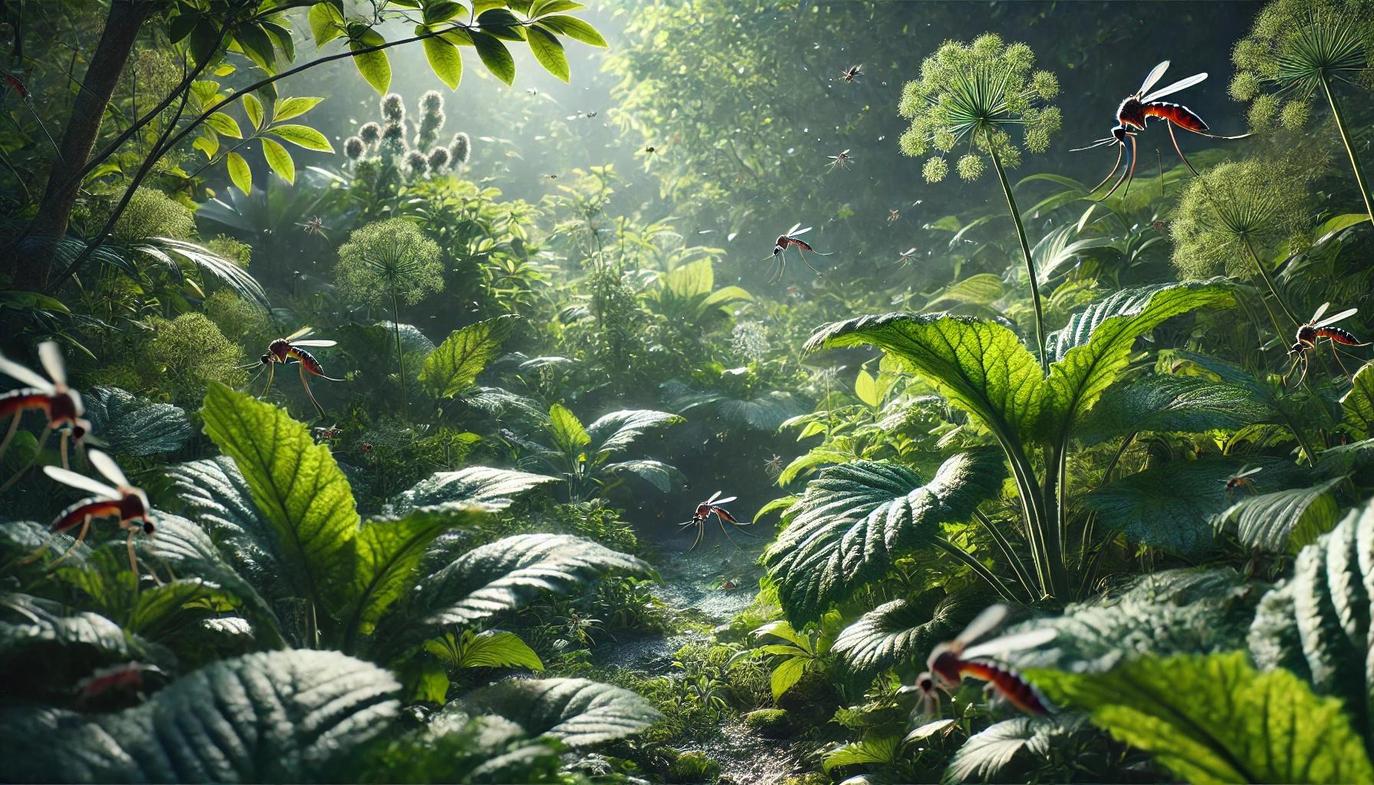
Yes, and it’s not just about nectar. Trees and bushes provide shade, help retain soil moisture, and offer wind protection. Some mosquitoes also rest on the undersides of leaves. Flowering plants supply nectar for both male and female mosquitoes, making them a convenient snack bar. Weedy patches trap humidity and offer low, sheltered hiding spots.
The critical factor is the environment plants create—a combination of shade, humidity, and shelter—rather than the specific plants themselves. Mosquitoes in garden beds also sip plant sugars, especially from sappy or damaged plants. The undersides of broad leaves, like hostas or elephant ears, create still, humid microclimates perfect for resting during the day. And some research suggests flower pollen in standing water can boost mosquito breeding, meaning pollen-shedding trees, like oaks near birdbaths, may make the mosquito garden even worse.
Do Trees Attract Mosquitoes?
Trees primarily serve as resting spots and shade providers; they don’t actively ‘lure’ mosquitoes. Dense foliage offers an ideal daytime refuge, while tree holes or rot that hold water can double as breeding spots. Some mosquito species also sip from sap flows or honeydew. Hollow trees with water-holding cavities become natural breeding grounds, and sap-heavy species like maple or poplar attract mosquitoes looking for sugar. A good practice for controlling mosquitoes in the garden is to prune limbs that shade damp areas and check for new cavities after storms.
Do Bushes Attract Mosquitoes?
Bushes with dense leaves or those growing near walls create cool, wind-protected zones, while the moist soil beneath them, especially when mulched, is a commonly overlooked moisture source. Overgrown or unmanaged bushes trap humidity under their canopy, and it’s these dense, unventilated thickets that become prime mosquito garden rest stops. Shrubs like boxwoods or dense evergreens offer low-airflow environments, and the soil underneath rarely dries out, making them even more attractive to mosquitoes in garden areas.
Does Mulch Attract Mosquitoes?
Yes, mulch is a significant and often overlooked factor. It excels at trapping moisture, especially when applied too thickly, and its decomposition increases the soil’s ambient humidity. Dense ground covers, like ivy or pachysandra, create cool, moist environments at ground level, particularly near fences or walls. Pine bark and thick wood chips can hold moisture for days.
To counter this, keep mulch layers thin and turned regularly so they dry between rains, or consider using gravel or lighter mulch in key spots like under decks or near patios. This process is where garden mosquito control really starts to pay off.

Yard Maintenance and Garden Mosquito Control
A poorly maintained yard is an open invitation for mosquitoes. Overgrown grass, weeds, and dense, unpruned shrubs work together to trap moisture, block wind, and create the shaded, humid conditions that form a perfect mosquito habitat. Debris piles, like old leaves, branches, or junk, add humid shelter, especially when stacked against structures. It’s not just about mowing; it’s about how your yard breathes.
Compact soil combined with dense growth holds moisture at the root zone, while shade and debris create a triple threat. Pruning improves airflow, breaking up the conditions mosquitoes love in garden areas.
Microclimate Problems That Invite Garden Mosquitoes
Your backyard’s microclimate—its unique mix of shade, humidity, and airflow—can determine the success or failure of your mosquito control efforts. Shade combined with humidity creates ideal conditions, while a lack of airflow gives mosquitoes free range. In contrast, sun-exposed, breezy yards are less likely to harbor them long-term. Even in the same neighborhood, two backyards can have completely different mosquito issues based on subtle microclimate quirks.
The urban heat island effect means hardscapes like patios can create warm zones mosquitoes tend to avoid, making smart hardscape design a helpful tactic. Yards bordered by tall fences often trap humid air, and roof drip lines can leave the ground persistently damp, both inviting mosquitoes into garden corners.
Garden Mosquito Control Tips That Actually Work
To effectively reduce mosquito habitats in your garden, focus on these actionable tips:
- Manage Water: Dump all standing water every three days and clean out gutters at least quarterly.
- Maintain Your Yard: Regularly trim and thin out bushes, and mow your lawn often.
- Handle Mulch: Keep mulch layers thin and aerate them to ensure they dry out.
- Improve Drainage and Airflow: Fix drainage issues in low spots and use strategic pruning or open fencing to encourage airflow.
- Use Repellents and Deterrents: While plants like citronella help, they are most effective when combined with other methods. Installing a motion-activated fan on your patio can also disrupt mosquito flight.
- Implement Smart Hardscaping: Use gravel, stone paths, or crushed shells in damp areas to reduce potential breeding spots.

Creating a Less Inviting Mosquito Haven
Ultimately, effective garden mosquito control is less about eliminating every single pest and more about disrupting the environment they need to thrive. By focusing on the core attractants—shade, moisture, and still air—you can transform your yard from a mosquito magnet into a far less hospitable space. Consistent yard maintenance, smart water management, and strategic pruning are your most powerful tools. While you may never achieve a completely mosquito-free garden, these proactive steps will significantly reduce their population, allowing you to reclaim and enjoy your outdoor space.
FAQ
Why Do I Have So Many Mosquitoes In My Yard?
Mosquitoes don’t need to breed in your yard; they only need to visit. They may hatch in a neighbor’s clogged gutters, street drains, or nearby common areas, but they’ll still rest in the shade your yard provides. Micro water sources like mulch, damp soil, or plant saucers only add to the attraction. The reality is that garden mosquito control is just as much about making your yard unappealing as it is about eliminating breeding spots.
Think of your yard as a convenient motel for mosquitoes, not necessarily their nursery. They can fly in from hundreds of feet away, seeking your yard’s shade and still air as a resting place after feeding. And when it comes to standing water, your neighbors’ problems can easily become yours; garden mosquito control often requires a community-wide effort. Even if you eliminate breeding spots, mosquitoes in garden zones will stick around if your yard offers shade and moisture.
Do Weeds Attract Bugs?
Yes, weeds create a highly hospitable environment for pests. Dense, shady patches provide perfect resting spots for mosquitoes, while damp clusters create small humidity traps. Weeds also host bugs like aphids and whiteflies, whose sugary secretions attract mosquitoes seeking plant sugars. Plus, these insects bring in predators like spiders, adding to the backyard pest scene.
Weeds thrive in damp, humid areas, making them a magnet for both mosquitoes and other unwanted guests. That’s why regular weeding is a key part of garden mosquito control, reducing shady, damp places cuts down on both pests and mosquitoes in garden environments.
Do Flowers Attract Mosquitoes?
They can, but not in the way most people think. Nectar-feeding mosquitoes, including males and some females, do visit flowers, but dense flowerbeds that trap moisture and shade are the real concern. Healthy, well-spaced flowers in sunny spots are far less likely to attract them. The key is keeping flowerbeds tidy, properly spaced, and sun-exposed. It’s not the flowers themselves, but the conditions, like overwatering and dense growth, that turn them into bug magnets.
Some flowers, such as sweet alyssum, may be more attractive due to their nectar composition, but it’s the surrounding environment that matters most. Managing flowerbeds is part of smart garden mosquito control, helping prevent a mosquito garden from forming in shaded, overwatered spots. Don’t let flowers become accidental garden mosquito habitats.
How Do I Control Mosquitoes Naturally Without Harming Pollinators?
Natural predators like dragonflies, birds, and bats can help keep mosquito populations in check, especially when supported by plant diversity that encourages them. Introducing mosquito dunks containing BTI targets larvae in water without harming bees or beneficial insects. Essential oils, such as lemon eucalyptus or lavender, work well in diffusers and are pollinator-safe when not sprayed directly.
Manual yard care, like trimming, pruning, and water management, remains the most effective chemical-free method. It’s important to avoid broad-spectrum insecticides, which often harm helpful bugs more than mosquitoes. The most effective strategy is to disrupt the environmental conditions mosquitoes need—shade, moisture, and still air—rather than simply trying to repel them.
A combination of natural garden mosquito control methods will protect pollinators while keeping mosquitoes in garden zones under control. Thoughtful care and prevention help you avoid turning your yard into a mosquito garden by mistake.


