
Your home’s exterior faces weather, moisture, temperature changes, and everyday wear throughout the year. Most damage does not happen overnight. A loose shingle, clogged gutter, or small crack in the siding can go unnoticed for months before becoming an expensive repair. Keeping a property in good condition does not require constant attention, but it does require a realistic maintenance routine and an understanding of where problems usually begin.
For homeowners in Northeast Ohio, seasonal temperature changes, freeze-thaw cycles, and wind-driven rain can place additional stress on exterior materials. Knowing which areas deserve regular attention helps you catch deterioration early and make sensible repair decisions before minor issues become larger projects.
Treat Your Exterior as One Connected System
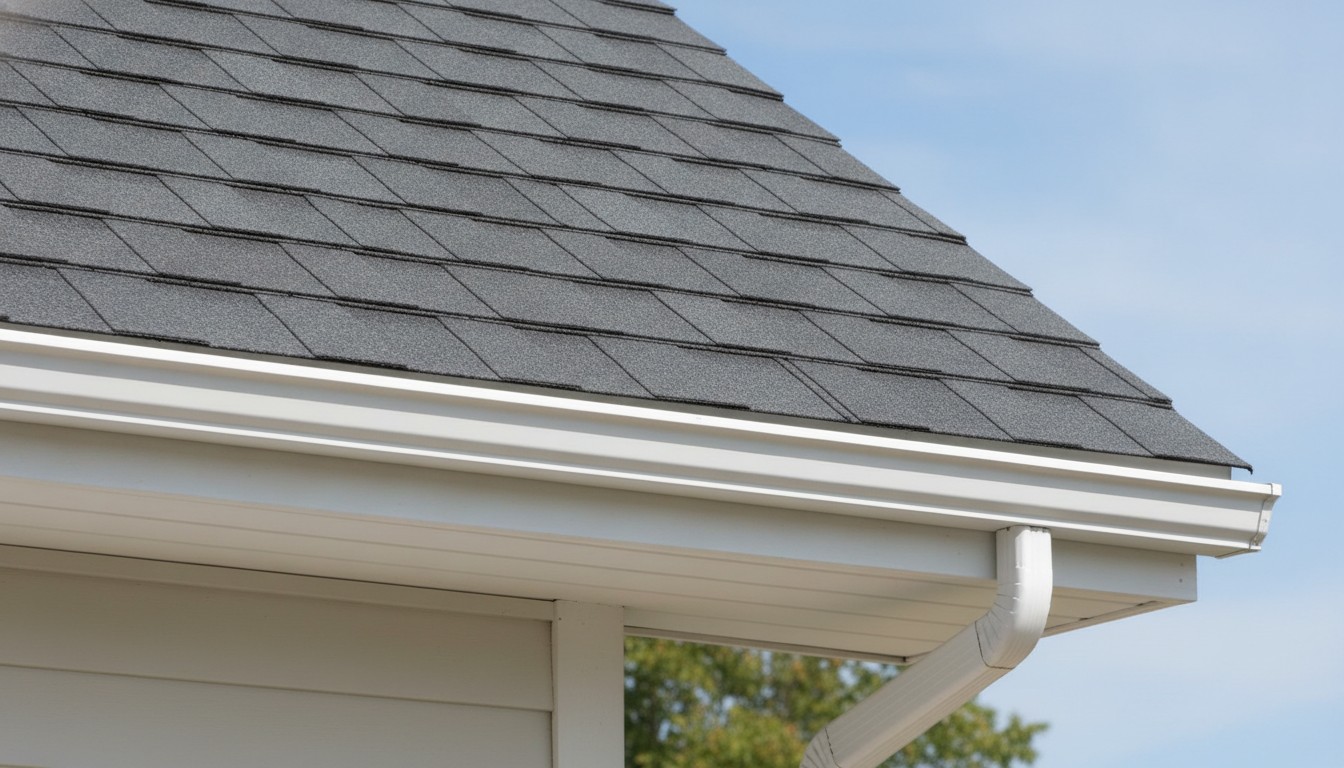
The roof, siding, gutters, soffits, fascia, windows, and foundation may look like separate parts, but they work together to protect the building. When one component fails, nearby materials often experience the consequences.
A leaking gutter can send water behind siding. Poor attic ventilation may contribute to premature roof deterioration, while damaged flashing can allow moisture into wall assemblies. Peeling paint, swollen trim, and interior stains may therefore indicate a problem beyond the surface where they appear.
Develop a simple monthly inspection habit. Walk around the property and examine roof edges, downspouts, exterior joints, and areas where different materials meet. These transitions deserve particular attention because gaps and failed seals can allow water inside.
Your Roof Usually Gives Warning Signs
Roof problems often begin with small changes rather than sudden failure. Shingles may curl, crack, or lose protective granules. Flashing can loosen around chimneys, vents, and roof intersections, creating openings where rainwater can enter.
Check accessible attic areas for damp insulation, musty odors, discoloration, or water stains. Indoors, yellow or brown ceiling marks may indicate a leak that needs investigation. Avoid climbing onto a roof to inspect it yourself; a qualified professional can assess areas that are unsafe to reach.
If you live in Northeast Ohio, seasonal weather can make timely roof assessments especially important. A qualified roofing company in Akron can evaluate storm damage, flashing, ventilation, and shingle condition. Addressing small defects before they spread can help prevent moisture damage to the roof structure and interior finishes.
Siding Problems Often Begin With Moisture
Faded or worn siding does not always mean the material has reached the end of its useful life. Moisture entering through gaps around windows, damaged caulking, loose trim, or poor drainage may be the more immediate concern.
Vinyl siding can warp under certain heat conditions, while fiber cement may deteriorate when installation details allow persistent water exposure. Wood siding is particularly vulnerable when paint or protective coatings break down, and moisture reaches the material.
Inspect lower wall sections, especially behind shrubs and near outdoor taps. Look for swelling, staining, soft spots, and visible mold. Repainting without identifying the source of moisture can hide the warning signs while leaving the underlying problem unresolved.
Gutters and Drainage Prevent Costly Damage
Gutters do more than keep rain off walkways. They collect roof runoff and direct it away from exterior walls and the foundation. When they clog, sag, or overflow, water can repeatedly soak fascia boards, siding, and nearby soil.
Check that gutters are securely attached and that water flows toward the downspouts. Make sure downspouts discharge far enough from the building to prevent water from collecting beside the foundation. The U.S. Department of Energy explains how properly sized gutters, downspouts, and grading help manage roof runoff and protect foundations in its guidance on foundation drainage.
After heavy rainfall, look for overflowing gutters, pooling water, and streaks on exterior walls. Debris is a common cause, but incorrect slope, undersized components, and loose hangers can also interfere with drainage.
Seasonal Inspections Beat Emergency Repairs
Waiting until damage becomes obvious often means the problem has already progressed. A seasonal inspection routine helps you notice changes while repairs may still be manageable.
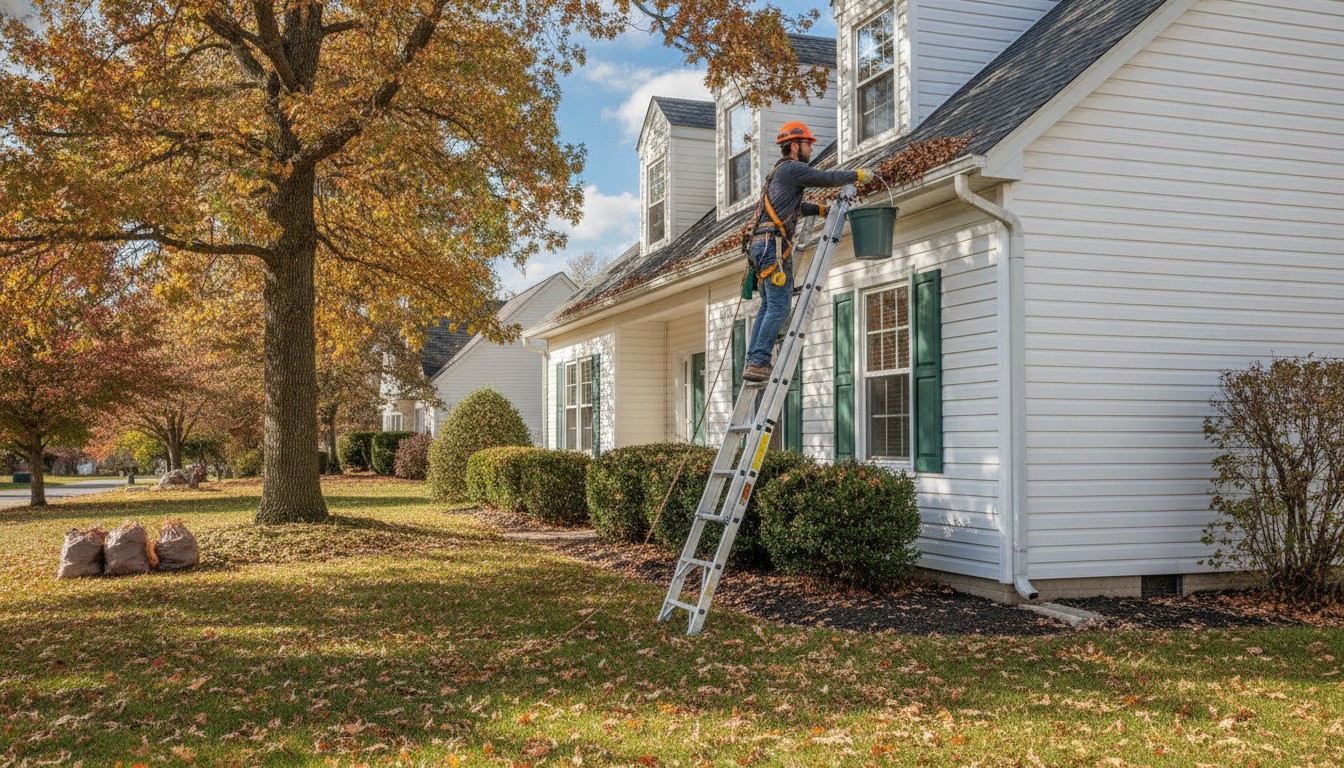
In spring, look for winter damage, loose shingles, cracked sealant, and clogged gutters. During summer, inspect exterior paint, siding, ventilation, and areas exposed to intense sunlight. In fall, clear leaves from drainage systems and check roof penetrations before colder weather arrives. During winter, watch for ice dams, unusual icicle formation, and interior condensation.
Take photographs from consistent angles each season. Comparing images makes it easier to identify gradual changes in materials, discoloration, or movement that might otherwise go unnoticed.
Exterior Durability and Energy Efficiency Work Together
A home’s exterior protects more than its appearance. Proper insulation, ventilation, flashing, and air sealing contribute to indoor comfort and help manage energy use. Drafts, uneven temperatures, and persistent humidity can sometimes indicate weaknesses in the building envelope.
Air leaks around windows, doors, and service penetrations can affect comfort and allow moisture to move into places where it does not belong. The U.S. Environmental Protection Agency’s moisture control guidance explains why managing water outside foundation walls and allowing building assemblies to dry are important parts of protecting a home.
When planning upgrades, consider how roofing, siding, insulation, and ventilation interact. Replacing one visible component may not solve a problem caused by an underlying installation or moisture-management issue.
Choose Materials for Performance, Not Appearance Alone
Color, texture, and architectural style influence how an exterior looks, but durability should guide material selection. A product that performs well in one setting may require more maintenance when exposed to different levels of sunlight, moisture, or wind.
Before choosing materials, ask about impact resistance, moisture management, expansion, fastening requirements, and expected maintenance. Consider nearby trees, shade, and the amount of direct weather each wall receives.
A good exterior balances appearance with practical performance. Choosing exterior building materials that suit the building and your maintenance capacity can reduce the need for repeated repairs.
Plan Repairs Before They Become Urgent
Emergency repairs often leave homeowners with fewer choices, tighter schedules, and larger bills. A better approach is to record inspection findings, prioritize safety and water-related problems, and plan improvements in manageable stages.
For example, damaged flashing or leaking gutters may deserve attention before a cosmetic siding update. Keep receipts, inspection notes, and photographs so you can track completed work and identify recurring problems.
Protect Your Home Without Constant Upkeep
A durable exterior does not require perfection or daily attention. It requires consistent observation, sensible maintenance, and timely action when warning signs appear.
Inspect the same areas regularly, keep drainage systems clear, and address moisture problems before they spread. With a practical routine and well-planned repairs, you can protect your home’s appearance, performance, and structure without turning maintenance into a full-time responsibility.

