
Primary Non-Ducted Cooling Systems Overview
When exploring options for adding cooling without ductwork, homeowners have several distinct systems to consider, each with its own operational principles and ideal applications. Understanding these primary non-ducted cooling systems is the first step toward making an informed decision for your home. We’ll examine ductless mini-split heat pumps, high-velocity small-duct systems, traditional window and portable units, and through-the-wall (PTAC) units. Each offers a unique approach to delivering comfort without relying on extensive duct networks.
Ductless Mini-Split Heat Pumps
Ductless mini-split heat pumps represent a highly efficient and versatile solution for homes without existing ductwork. These systems consist of two main components: an outdoor compressor/condenser unit and one or more indoor air-handling units. Refrigerant lines and electrical wiring connect these components through a small, typically three-inch hole in an exterior wall. The indoor air handlers, which can be wall-mounted, ceiling-cassette, or floor-standing, deliver conditioned air directly into the room.
A key advantage of mini-splits is their ability to provide zoned cooling. Each indoor unit operates independently, allowing occupants to set different temperatures in different rooms or zones. This means you only cool the spaces you are actively using, which can lead to significant energy savings. Many modern mini-splits also function as heat pumps, providing efficient heating during the cooler months and making them a year-round comfort solution.
High-Velocity Small-Duct Systems
For homeowners seeking a less visible cooling solution than wall-mounted mini-splits, high-velocity small-duct systems offer an intriguing alternative. These systems utilize a compact air handler that connects to a network of small, flexible, insulated ducts, typically only two inches in diameter. These mini-ducts can be snaked through existing wall cavities, floor joists, and ceiling spaces with minimal disruption, making them ideal for older or historic homes where preserving architectural integrity is paramount.
The system works by delivering air at a higher velocity through small outlets, creating a gentle suction effect (aspiration) that mixes the conditioned air with the room’s ambient air. This results in even temperature distribution and excellent humidity removal without the drafts sometimes associated with traditional ducted systems. While they still require some ducting, it is far less intrusive than conventional systems, often making them a “low-duct” rather than truly “no-duct” option.
Window Units and Portable Air Conditioners
Window air conditioning units and portable air conditioners are often considered temporary or supplementary cooling solutions. Window units are self-contained systems installed directly into a window opening, venting hot air to the outside. They are typically easy to install and relatively inexpensive, making them a popular choice for single rooms or rental properties. However, they can obstruct views, be noisy, and compromise window security and energy efficiency due to potential air leaks around the unit.
Portable air conditioners offer even greater flexibility, as they can be moved from room to room. These units sit on the floor and typically exhaust hot air through a hose that vents to a window or wall opening. While convenient for mobility, portable ACs are generally less efficient than window units. They can also create negative pressure within a room, drawing in unconditioned outdoor air through cracks and gaps, which can significantly reduce their effective cooling capacity.
Through-the-Wall and PTAC Units
Through-the-wall air conditioners, often referred to as Packaged Terminal Air Conditioners (PTACs), are self-contained units primarily found in hotels, motels, and some multi-family dwellings. These units are designed to be installed through an exterior wall using a specific sleeve, providing a permanent cooling solution for a single room or zone. They combine all components, including compressor, condenser, evaporator, and fan, into one chassis.
PTAC units offer straightforward installation and maintenance, as they are self-contained. They are robust and built for heavy use, often featuring simple controls. However, their aesthetic can be bulky on an interior wall, and they require a dedicated wall opening. While effective for their intended purpose, they are less common in residential settings compared to mini-splits due to their limited zoning capabilities and often lower energy efficiency ratings than modern ductless systems.
Evaluating Birmingham Ductless Cooling Options and Alternatives
Choosing the right cooling system without existing ductwork involves weighing several factors, including energy efficiency, noise levels, installation impact, and long-term operating costs. For homeowners in Birmingham, Alabama, understanding these comparisons is crucial to selecting a system that meets local climate demands and personal comfort preferences.
| Feature | Ductless Mini-Split Heat Pumps | High-Velocity Small-Duct Systems | PTAC Units (Through-the-Wall) | Window AC Units | Portable AC Units |
|---|---|---|---|---|---|
| Efficiency (SEER) | Very High (16-30+) | High (14-20) | Moderate (10-14) | Low to Moderate (10-12) | Low (8-10) |
| Installation | Moderate (small wall penetration, refrigerant lines) | Complex (mini-duct routing, specialized outlets) | Moderate (large wall opening for sleeve) | Easy (window mounting) | Very Easy (hose to window) |
| Aesthetics | Visible indoor units (wall-mounted, ceiling cassette) | Nearly Invisible (small outlets, hidden ducts) | Visible unit on interior/exterior wall | Obstructs window, visible from outside | Visible floor unit, exhaust hose |
| Noise Level | Very Quiet (19-32 dB) | Quiet (aspiration system) | Moderate to Loud (50-60+ dB) | Loud (50-60 dB) | Moderate to Loud (50-60 dB) |
| Zoning Capability | Excellent (individual control per indoor unit) | Good (can be zoned, but less granular than mini-splits) | None (single room only) | None (single room only) | None (single room only) |
| Humidity Control | Excellent | Excellent | Good | Fair | Fair |
| Best Use Case | Whole-home zoning, additions, older homes, energy efficiency | Historic homes, tight spaces, aesthetic preference | Hotels, multi-family, single-room permanent cooling | Temporary, single-room, budget-conscious | Temporary, mobile, single-room |
| System Longevity | 15-20+ years | 15-20+ years | 10-15 years | 5-10 years | 5-10 years |
This table provides a snapshot of the key differences. For a deeper dive into specific local solutions and how they might fit your home, exploring Birmingham ductless cooling options can offer valuable localized insights.
Efficiency and SEER Ratings for Birmingham Ductless Cooling Options
Energy efficiency is a paramount concern for any homeowner, especially with rising energy costs. The Seasonal Energy Efficiency Ratio (SEER) is a common metric used to gauge the efficiency of air conditioning systems, with higher numbers indicating better performance. Modern mini-splits stand out significantly in this regard. While standard central AC units often rate between 14 and 16 SEER, modern mini-splits can achieve impressive ratings from 16 to 28+ SEER, with some models reaching as high as 30 SEER. This superior efficiency is largely due to their inverter-driven compressors, which can modulate output to precisely match cooling demand, avoiding the energy-intensive on and off cycling of traditional systems. According to ENERGY STAR certified ductless systems, these units cool directly without ductwork and eliminate duct losses that can account for more than 30 percent of energy used for space conditioning.
In contrast, window units typically offer SEER ratings around 10 to 12, and portable ACs often fall even lower. The energy loss associated with traditional ducted systems, where 20 to 30 percent of cooling energy can be lost through leaks and poor insulation, is virtually eliminated with ductless options. This direct delivery of conditioned air, combined with advanced compressor technology, means a 12,000 BTU mini-split can use substantially less electricity than a window unit of the same size, leading to meaningful savings on utility bills.
Noise Levels and Operational Sound Profiles
The operational noise of a cooling system directly impacts indoor comfort. This is where ductless mini-splits truly excel. They are designed for whisper-quiet operation, with indoor units typically producing sound levels between 19 to 32 decibels (dB), which is quieter than a whisper. This low noise profile is achieved by separating the noisy compressor unit, which is located outdoors, from the indoor air handler.
On the other hand, window units are notoriously loud, often reaching 50 to 60 decibels. Portable ACs also tend to be quite noisy, as all their mechanical components, including the compressor, are housed within the room. PTAC units can also be quite audible, especially older models, as they are self-contained. For homes where peace and quiet are a priority, especially in bedrooms or living areas, the quiet operation of a ductless mini-split system offers a significant advantage, contributing to a more serene indoor environment.
Installation Feasibility and Historic Home Preservation
For many homeowners, particularly those with older or historic properties, the thought of installing a new cooling system brings concerns about structural disruption and preserving architectural integrity. Non-ducted solutions are specifically designed to minimize this impact, offering flexible installation options.
Retrofit Complexity and Architectural Impact
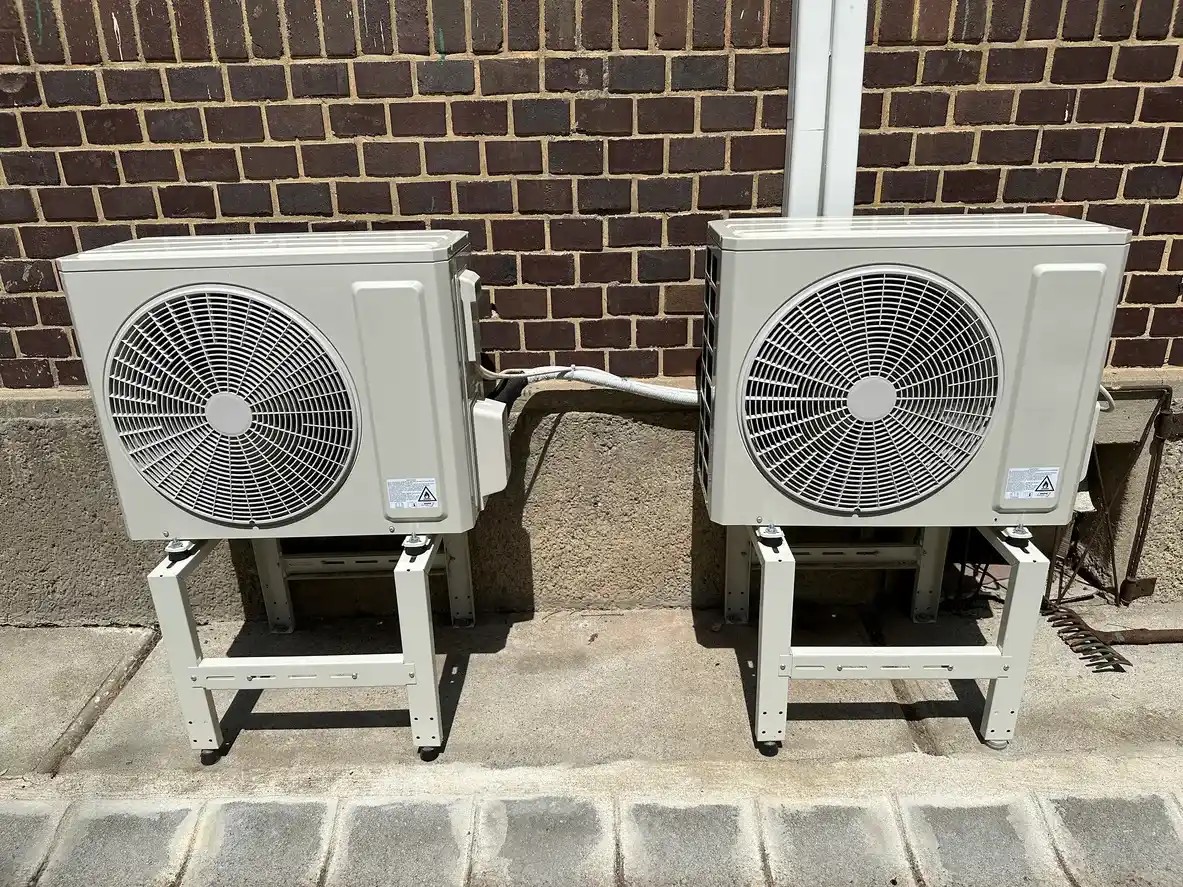
One of the primary benefits of ductless mini-splits is their minimal invasiveness. Installation typically requires only a small hole (around 3 inches) through an exterior wall to connect the refrigerant lines and electrical wiring between the indoor and outdoor units. This small penetration is far less disruptive than installing extensive ductwork, which often requires opening up walls, ceilings, or floors, leading to significant drywall repair and potential structural modifications. Indoor units can be mounted high on walls, integrated into ceilings as cassettes, or placed near the floor, offering aesthetic flexibility.
High-velocity small-duct systems, while requiring more installation work than mini-splits, still offer a much less invasive approach than traditional ducts. Their flexible, narrow tubing can often be routed through existing chases, closets, or behind plaster walls with minimal visible alteration. The small, discreet outlets can be painted to match the room, making them almost unnoticeable. This makes them an excellent choice for historic homes where preserving original features is paramount. In contrast, window units and PTACs require dedicated openings that can alter the exterior appearance of a home more significantly.
Multi-Zone Cooling and Custom Temperature Control
The ability to create distinct cooling zones is a major advantage of many ductless systems, particularly mini-splits. Multi-split configurations allow a single outdoor compressor unit to connect to multiple indoor air handlers (typically up to four, but some systems support more). Each indoor unit can be independently controlled with its own thermostat, allowing occupants to set different temperatures in different rooms or areas of the home. This means you can cool a bedroom to a lower temperature at night while keeping the living room warmer, or even turn off cooling in unoccupied rooms entirely.
This level of custom temperature control not only enhances personalized comfort but also contributes significantly to energy savings. By only cooling the spaces that are actively in use, homeowners can reduce energy consumption substantially compared with cooling an entire home with a single thermostat. This zoned approach is particularly beneficial for larger homes, homes with varying sun exposure in different rooms, or households with different comfort preferences.
Venting, Drainage, and Common Operational Realities
While “ductless” implies a simpler setup, it is important to understand that even these systems have specific requirements for operation, primarily related to heat rejection and moisture removal.
The Myth of Ventless Air Conditioning
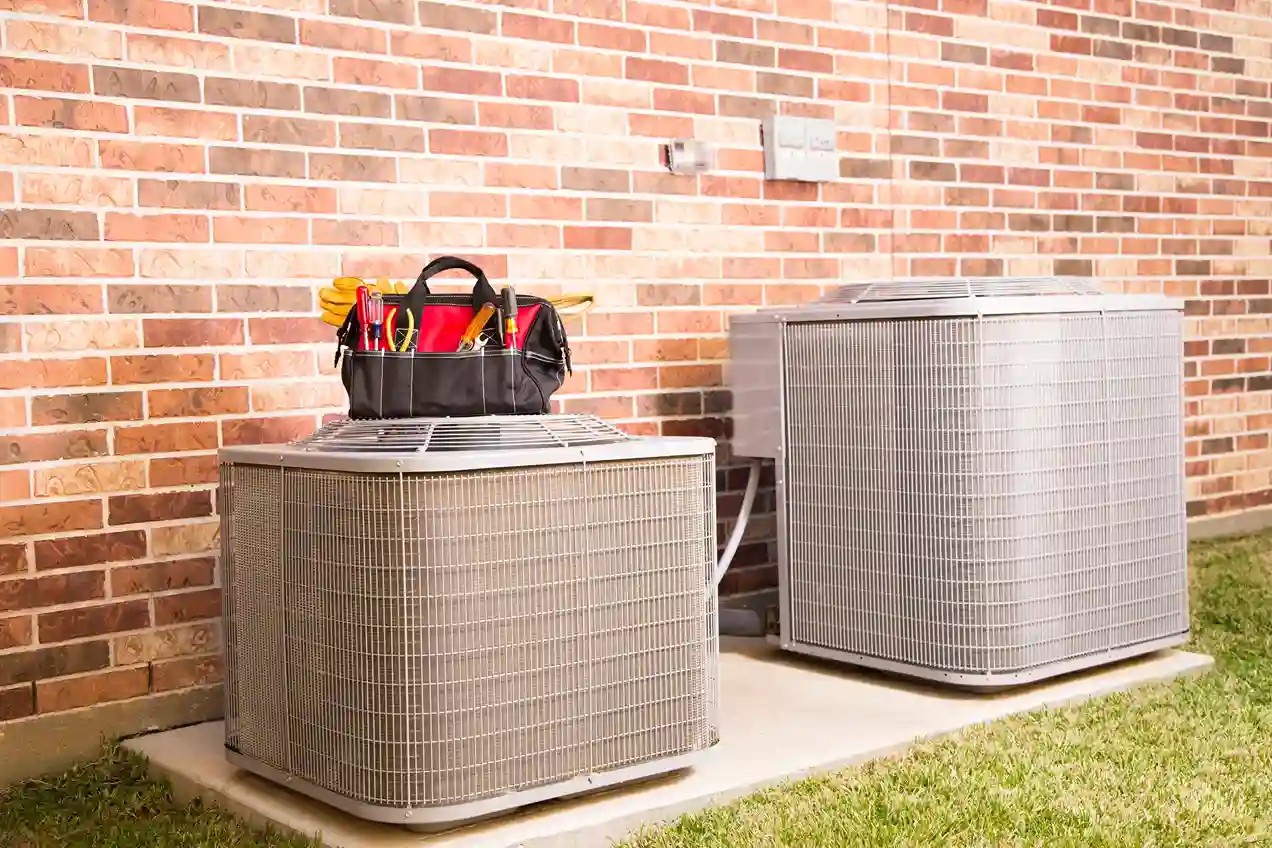
A common misconception is that some air conditioning systems are truly “ventless.” In reality, all air conditioning systems operate on the principle of heat transfer: they remove heat from one area and expel it elsewhere. For cooling, this means heat is absorbed from indoor air and then rejected to the outside environment. This process requires a way to move that heat out of the conditioned space.
For ductless mini-splits, this heat exchange happens via refrigerant lines connecting the indoor coil (evaporator) to the outdoor coil (condenser). The outdoor unit acts as the heat rejection point where the heat is released. Similarly, window units and PTACs have their condenser coils facing outward to dissipate heat. Portable ACs use an exhaust hose to vent hot air out of a window. Additionally, as air is cooled, moisture is condensed out of it. All AC systems generate condensate (water), which must be drained away, typically through a small condensate line that either drains by gravity or is pumped away. Therefore, while they do not use large air ducts, no air conditioning system is truly “ventless” in the sense of not needing to reject heat or drain water.
Pressure Imbalances and Energy Leaks in Portable Units
Portable air conditioners, while convenient, come with a significant operational drawback: they can create negative pressure within a room. Because most portable ACs draw air from the room to cool their condenser coils and then exhaust that hot air outside, they effectively remove air from the conditioned space. This creates a slight vacuum, pulling unconditioned, warm outdoor air into the room through any available cracks, gaps, or poorly sealed windows and doors.
This infiltration of warm air directly counteracts the cooling efforts of the unit, forcing it to work harder and less efficiently. This negative pressure effect can substantially reduce a portable AC’s effective cooling capacity. This means a significant portion of the energy consumed by a portable unit is spent fighting against the very air it is inadvertently pulling in. This issue is largely absent in mini-splits, window units, and PTACs, which have a sealed refrigerant cycle and do not typically create such drastic pressure imbalances within the conditioned space.
Decision Framework: Choosing the Right Non-Ducted Solution
Selecting the optimal non-ducted cooling system for your home involves a careful evaluation of various factors beyond just the initial purchase price. Consider the unique characteristics of your space, your comfort priorities, and your long-term financial goals.
Key non-ducted cooling selection criteria:
- Room Size and Layout: The square footage and configuration of the space or spaces to be cooled.
- Climate Conditions: The severity of summer heat and humidity in your region.
- Aesthetic Preferences: How visible you want the indoor and outdoor units to be.
- Noise Sensitivity: Your tolerance for operational sounds.
- Energy Efficiency Goals: Your desire for lower utility bills and reduced environmental impact.
- Installation Constraints: Structural limitations, historical preservation needs, and exterior appearance concerns.
- Budget: Both the initial capital investment and projected long-term operating costs.
- Zoning Needs: Whether you require individual temperature control for different areas.
- Heating Requirements: If you need a system that can also provide heat.
Matching System Capacities to Birmingham Ductless Cooling Options
Proper sizing is critical for any HVAC system to operate efficiently and effectively. An undersized unit will struggle to cool the space, run constantly, and likely fail prematurely, while an oversized unit will short-cycle, leading to poor dehumidification and wasted energy. Cooling capacity is measured in British Thermal Units (BTUs). A professional HVAC technician will perform a load calculation, considering factors such as:
- Square footage of the room or rooms
- Ceiling height
- Window size, type, and orientation
- Insulation levels in walls, ceilings, and floors
- Number of occupants
- Heat-generating appliances
- Local climate data (for example, Birmingham’s hot, humid summers)
For multi-room cooling with ductless mini-splits, the total BTU capacity of the outdoor unit must be sufficient to handle the combined load of all connected indoor units, even if they are not all running at maximum capacity simultaneously. This ensures the system can adequately cool your home during peak demand. Reviewing a guide to sizing a mini-split system can help you understand how room size, insulation, and layout affect the calculation before you request a professional load assessment.
Long-Term Operating Costs vs. Initial Capital Investment
While the initial purchase and installation cost is an important consideration, it is crucial to look at the total cost of ownership over the system’s lifespan. Temporary solutions like window units and portable ACs have lower upfront costs but higher operating expenses due to their lower efficiency. They also have shorter lifespans, meaning more frequent replacement costs.
Ductless mini-splits and high-velocity systems typically represent a higher initial capital investment. However, their superior energy efficiency (high SEER ratings), longer lifespan, and ability to provide zoned cooling can lead to significant utility savings over many years. These savings can often offset the higher upfront cost, resulting in a lower lifecycle cost. When evaluating options, consider the payback period, which is how long it takes for energy savings to recoup the initial investment, and the overall value derived from enhanced comfort, quiet operation, and system longevity.
Frequently Asked Questions About Ductless Cooling
How much energy is lost through traditional ductwork compared to ductless systems?
Traditional ducted systems are prone to significant energy loss, primarily due to leaks and poor insulation within the ductwork itself. It is estimated that typical ducted systems can lose between 20 percent and 30 percent of their cooling energy through these inefficiencies, especially when ducts run through unconditioned spaces like attics or crawlspaces. This means a substantial portion of the energy you pay for never actually reaches your living spaces. Ductless systems, by contrast, deliver conditioned air directly into the room without any ductwork, virtually eliminating these transmission losses. This direct delivery is a key factor in their superior energy efficiency.
Can a ductless mini-split cool an entire home without existing ducts?
Yes, a ductless mini-split system can effectively cool an entire home without existing ducts. This is achieved through multi-zone or multi-split configurations. A single outdoor condenser unit can be paired with multiple indoor air handlers, strategically placed in different rooms or zones throughout the house. Each indoor unit operates independently, allowing for precise temperature control in each area. While a whole-home ductless system might involve a higher initial investment than cooling a single room, it offers flexibility, energy efficiency through zoning, and personalized comfort for every part of your home.
Do ductless cooling units require outdoor ventilation or drainage lines?
Yes, ductless cooling units, like all refrigeration-based air conditioning systems, require both outdoor heat rejection (often referred to as ventilation) and drainage lines. The outdoor unit of a mini-split system acts as the condenser, releasing the heat absorbed from indoors into the outside air. While it does not “vent” in the same way a dryer does, it requires clear airflow around it to dissipate heat effectively. Additionally, as the indoor unit cools the air, it removes humidity, producing condensate (water). This water must be drained away, typically through a small condensate line that runs from the indoor unit to the outside, often alongside the refrigerant lines. This ensures proper operation and prevents water damage.
Conclusion
Navigating the various options for adding cooling without ductwork can seem complex, but by understanding the unique advantages and considerations of each system, homeowners can make an informed decision tailored to their specific needs. From the highly efficient and quiet operation of ductless mini-splits to the discreet integration of high-velocity small-duct systems, a solution exists for nearly every home, including older and historic properties.
We have explored how ductless mini-splits offer strong energy efficiency through high SEER ratings and zoned comfort, significantly reducing energy waste common in traditional ducted systems. We have also compared these with more temporary solutions like window and portable ACs, highlighting their limitations in efficiency and noise. For those in Birmingham seeking to enhance their home’s comfort without extensive renovations, evaluating these non-ducted cooling options carefully will lead to a more comfortable, energy-efficient, and aesthetically pleasing living environment. The right choice will not only provide relief from the heat but also contribute to long-term savings and preserve your home’s unique character.


