
Every track athlete knows that injuries aren’t a matter of if, but when. Whether it’s the sharp tug of a strained hamstring mid-race or the dull ache of chronic Achilles tendinopathy, the body has its limits—and athletes test them often. While traditional recovery methods like ice, rest, and physical therapy are effective, they are not always fast enough for serious competitors. For serious competitors, every week spent on the sidelines feels like a setback.
This is where Platelet Rich Plasma (PRP) therapy is making a significant impact. Once considered experimental, PRP is now a sought-after treatment for runners, jumpers, and sprinters looking to accelerate recovery and reduce relapses. Clinics like the Spokane PRP clinic have started seeing more athletes requesting the treatment—not just because it’s trendy, but because it works.

What Exactly Is PRP?
PRP stands for Platelet Rich Plasma, a treatment derived from your own blood. The process is simple: a small amount of blood is drawn, spun in a centrifuge to concentrate the platelets, and then injected directly into the injured tissue. These platelets are rich in growth factors that support healing and tissue regeneration.
It’s not a drug. It’s not a foreign substance. It is your body’s own healing mechanism, delivered in a highly concentrated form.
Accelerating the Science of Natural Recovery
When an injury like a tendon strain or microtear occurs, the body naturally sends platelets to the site to initiate repairs. PRP therapy amplifies this response by delivering a much higher concentration of platelets directly to the injured tissue, accelerating the natural healing process.
Several studies support the use of PRP in soft tissue injuries common among track athletes, like patellar tendinopathy (jumper’s knee), plantar fasciitis, and hamstring strains. The growth factors in PRP stimulate collagen production, promote blood vessel growth, and even modulate inflammation—all of which help speed up the healing cycle.
Common Track Injuries Treated with PRP
Track and field athletes push their bodies in ways that are unique even among sports. From explosive takeoffs to repetitive high-impact strides, these movements put specific stress on tendons and ligaments. Here’s where PRP comes into play:
1. Hamstring Strains
Hamstring injuries are notorious for slow healing and high recurrence rates. PRP injections can help reduce downtime and support more durable recovery.
2. Achilles Tendinopathy
Chronic inflammation and degeneration of the Achilles tendon are common in distance runners and sprinters alike. PRP can help stimulate healing in cases where traditional therapy falls short.
3. Patellar Tendonitis
Known as “jumper’s knee,” this is a regular issue for long jumpers and high jumpers. PRP has shown promise in reducing pain and restoring function.
4. IT Band Syndrome
This overuse injury plagues many athletes who rack up serious mileage. While stretching and foam rolling are helpful, PRP may assist in cases where recovery plateaus.
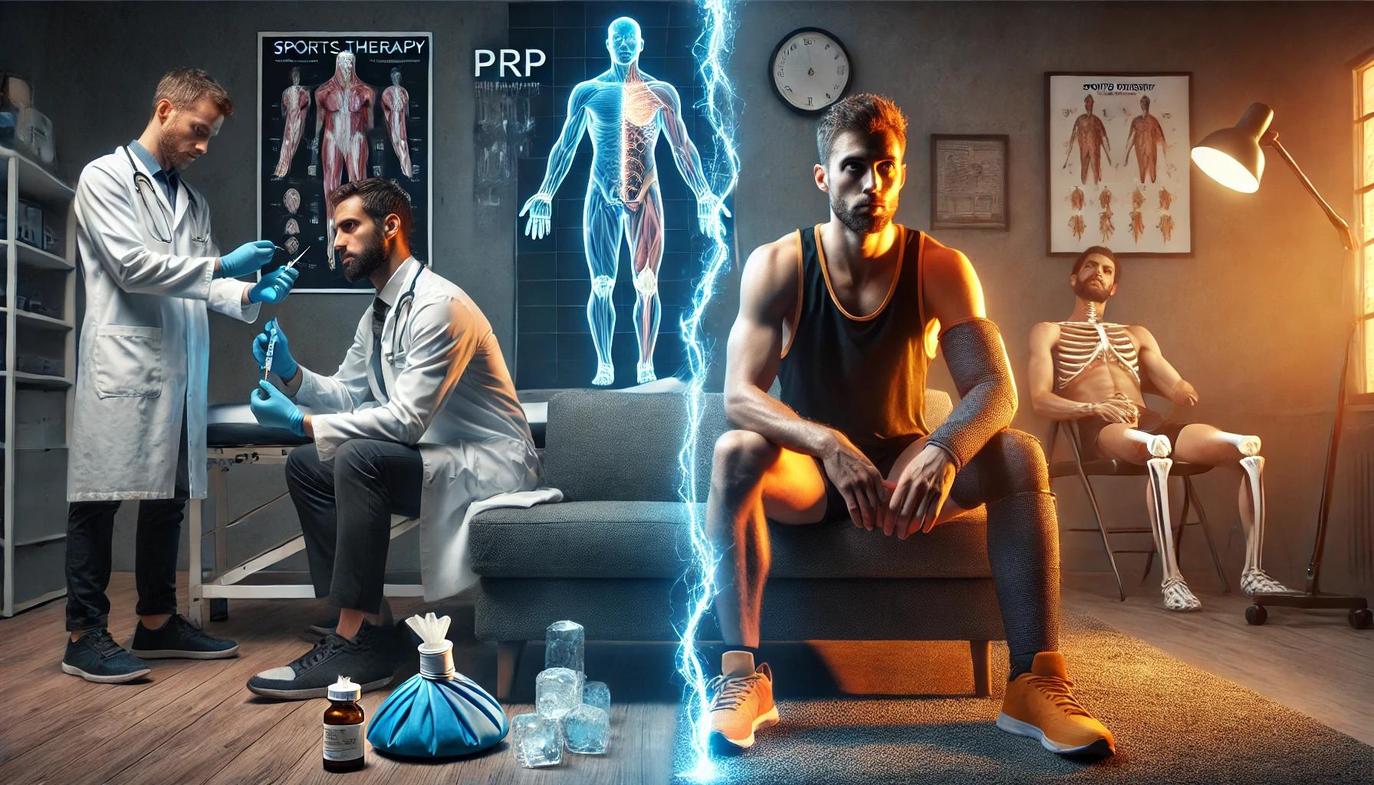
How PRP Compares to Traditional Recovery Methods
PRP isn’t a magic bullet—but compared to other common treatments, it brings something new to the table.
| Treatment | What It Does | Pros | Cons |
| Rest & Ice | Reduces inflammation temporarily | Non-invasive | Often too slow for athletes |
| Physical Therapy | Strengthens muscles and corrects movement | Functional, long-term benefits | Requires long commitment and can plateau |
| Cortisone Injections | Reduces inflammation and pain | Fast relief | Doesn’t promote healing; can weaken tissue over time |
| PRP Therapy | Promotes actual tissue regeneration | Uses your own biology to heal | Not always covered by insurance |
Athletes often use PRP in combination with physical therapy, which can create a more holistic, sustainable recovery plan.
What to Expect During the PRP Process
Many athletes are hesitant about anything involving needles or injections, but PRP is relatively low-discomfort. The whole process usually takes under an hour. After the injection, you may feel sore for a couple of days, similar to post-workout soreness.
Recovery timelines vary, but most athletes begin noticing real improvement within two to six weeks, depending on the severity of the injury and how well they follow rehab protocols.
Case Studies: PRP in Action for Athletes
While no treatment is a miracle cure, PRP offers a powerful advantage by helping athletes return to competition, often without the need for invasive surgery.
For example, elite-level sprinters have used PRP to address lingering hamstring issues that resisted traditional rehab. Some athletes report returning to full sprinting capacity weeks sooner than expected. Long-distance runners have used it to manage Achilles tendonitis that once threatened their season.
It’s not just for pros, either. High school and collegiate athletes are increasingly turning to PRP as an option when they hit a wall in recovery. For them, faster healing can mean not missing out on scholarships, team spots, or entire seasons.

Who Should Consider PRP?
PRP isn’t right for every injury or every athlete. It’s most effective for chronic tendon issues and certain types of ligament strains. Acute muscle tears and bone fractures may require different approaches.
You might be a good candidate for PRP if you meet any of the following criteria:
- You have a nagging injury that hasn’t improved with rest or physical therapy.
- You are dealing with chronic tendon pain that keeps recurring.
- You want to explore effective alternatives to surgery.
- You are in-season and need to accelerate your recovery timeline.
Always consult with a sports medicine doctor before jumping into any treatment plan. A good provider will evaluate whether PRP fits your specific injury and goals.
Tips for Maximizing Your PRP Results
The effectiveness of PRP therapy is significantly enhanced by diligent post-injection care. To achieve the best possible outcome, most experienced sports clinicians recommend the following:
- Stick to your rehab protocol: This means easing back into movement, even if you feel better right away.
- Avoid NSAIDs: Anti-inflammatory drugs can interfere with the healing response PRP is trying to activate.
- Stay consistent with strength and mobility work: PRP doesn’t replace the need for physical therapy—it complements it.
- Hydrate and sleep well: Recovery always benefits from the basics.
The Trend Toward Personalized Recovery
More athletes and trainers are realizing that one-size-fits-all recovery doesn’t cut it anymore. PRP is part of a growing trend toward personalized, biologically driven care —treatments that work with your body instead of just masking symptoms.
From elite runners to everyday athletes trying to get back on track, PRP is making a real difference. And it’s not about shortcuts—it’s about healing smarter, not just harder.
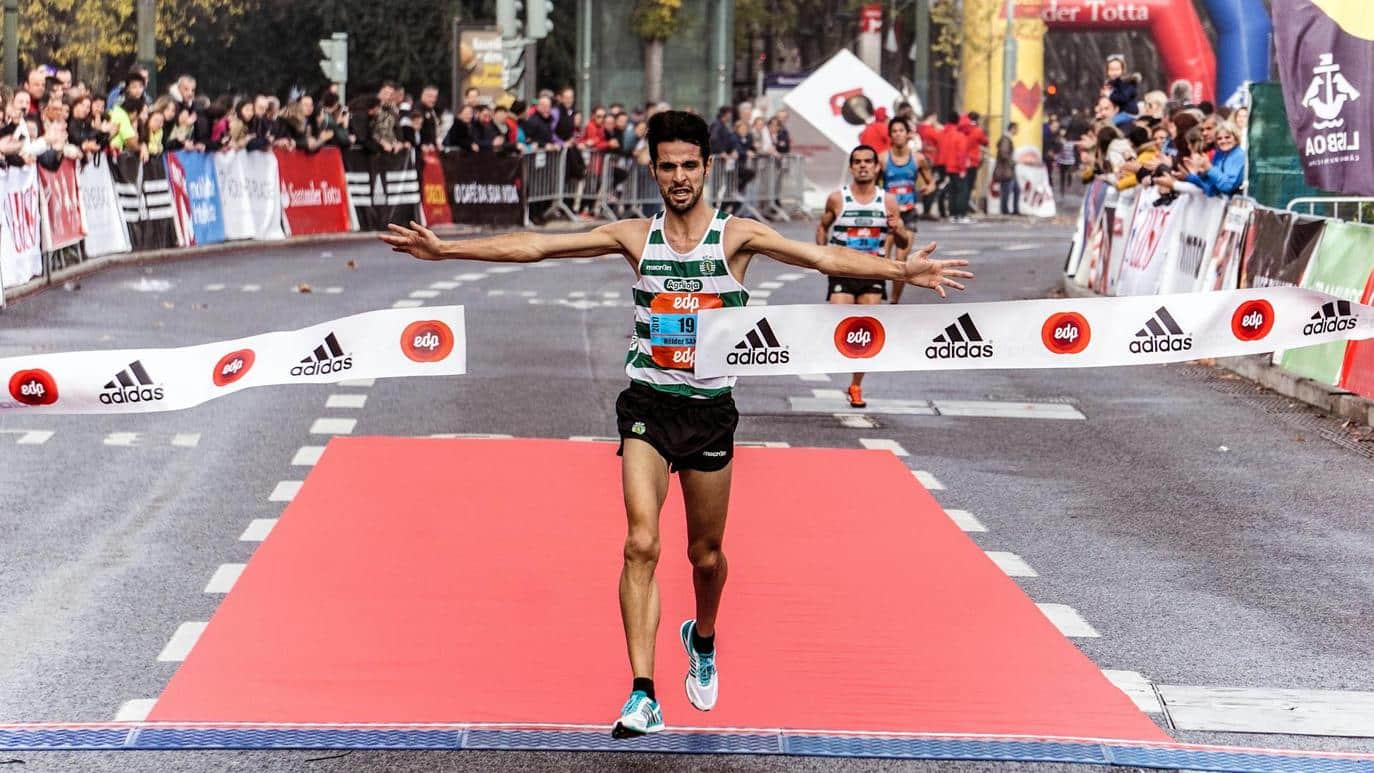
Healing Smarter, Not Harder
PRP therapy is more than just a trend; it represents a shift toward smarter, more personalized recovery. For track and field athletes, where every week of training is critical, it offers a way to work with the body’s natural healing processes to bounce back faster and with fewer relapses. While not a cure-all, PRP provides a powerful tool that can mean the difference between sitting out a season and crossing the finish line strong. It’s about leveraging your own biology to gain a competitive edge in recovery.
Frequently Asked Questions About PRP for Athletes
Is PRP therapy painful?
Patients typically experience mild discomfort during the injection, similar to a standard shot. Soreness at the injection site for a few days afterward is common, but it is generally manageable and feels like post-workout muscle soreness.
How many PRP treatments will I need?
The number of treatments depends on the severity and type of injury. Many athletes see significant improvement after just one injection, while others with more chronic conditions might require a series of two or three treatments spaced several weeks apart.
Is PRP covered by insurance?
Coverage for PRP therapy varies widely. While it is becoming more mainstream, many insurance plans still consider it an elective or experimental treatment and may not cover the cost. It’s essential to check with your provider beforehand.
How soon can I return to training after a PRP injection?
Your doctor will provide a specific rehab protocol. Generally, there is a short period of rest and reduced activity for the first week or two, followed by a gradual re-introduction of physical therapy and sport-specific movements. Returning to full activity too soon can hinder the healing process.


