
Smart buildings are designed to make everyday operations more efficient through connected technology. Access control, energy management, security, and building services are increasingly managed through digital systems. Yet one everyday process can still create a surprisingly large operational burden: package delivery.
Commercial and residential buildings may receive a constant stream of parcels throughout the day. Each delivery must be received, identified, stored, communicated to the recipient, and eventually collected. By introducing smart parcel management, building operators can digitize this process and create a more organized approach to one of the fastest-growing demands on reception and property teams.
A building becomes smarter when technology removes friction from the everyday experiences that occupants use most.
Package Delivery Has Become a Building Management Issue
Package management was once a relatively minor responsibility for many buildings. Today, online shopping, workplace deliveries, subscription services, and direct-to-consumer purchasing have changed the volume and variety of items arriving at properties. Research published in the Harvard Business Review found that up to 20% of e-commerce packages are not delivered on the first attempt, which means more parcels end up waiting in reception areas and storage rooms.
For building teams, higher volumes create practical challenges.
Packages can accumulate around reception areas. Staff may need to interrupt other responsibilities to contact recipients. Occupants ask for help locating deliveries, while uncollected parcels consume limited storage space.
Common problems include:
- Manual package registration
- Delayed recipient notifications
- Misplaced parcels
- Crowded storage areas
- Repeated delivery inquiries
- Limited collection records
Smart buildings need a more scalable process for handling this activity.
Digital Parcel Intake Creates a Better Starting Point
Efficient parcel management begins when a courier enters the building.
A traditional process might require reception staff to write delivery details in a logbook or manually enter them into a spreadsheet. At busy times, this can quickly create a queue and increase the risk of incomplete records.
Parcel management software provides a standardized digital receiving process.
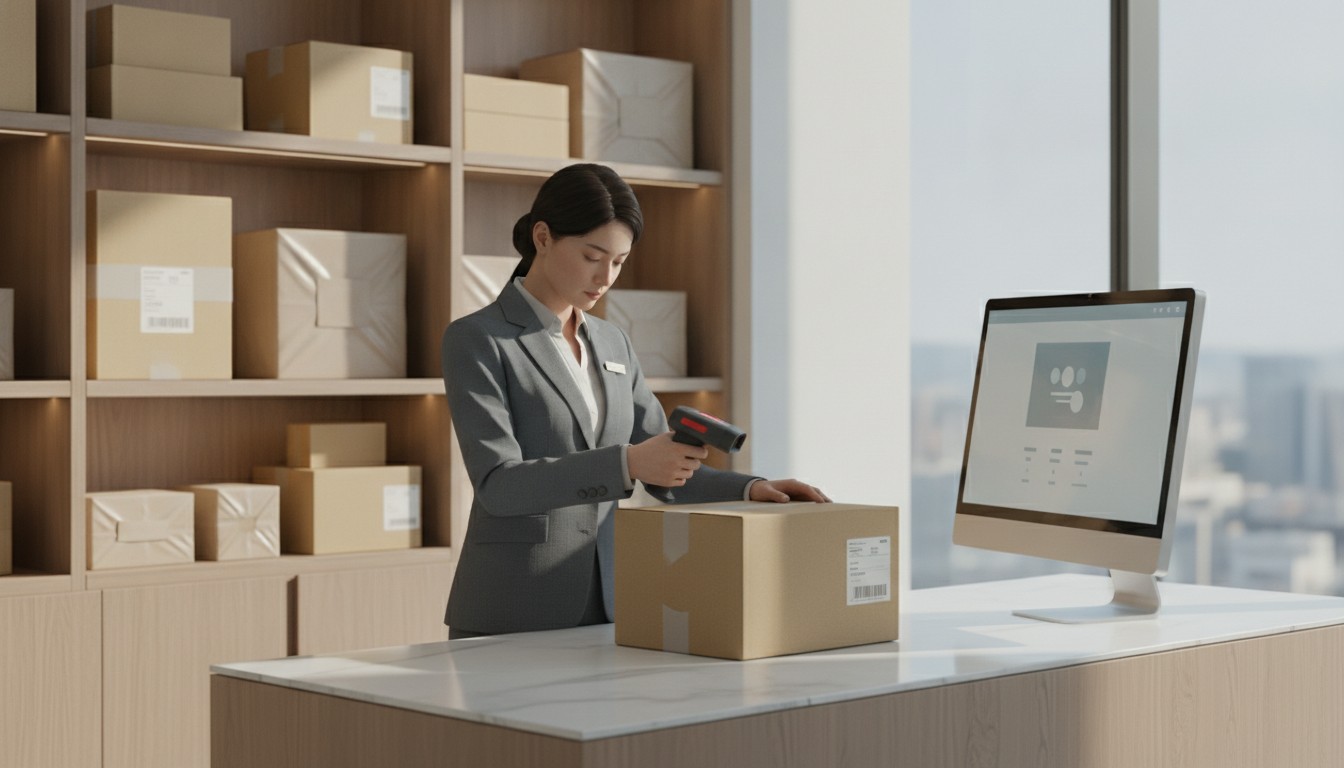
Staff can register an incoming package, associate it with the correct recipient, and create a searchable record. Once that record exists, the package can be managed consistently throughout the rest of its journey.
| Traditional Package Handling | Smart Parcel Management |
|---|---|
| Paper or spreadsheet logs | Centralized digital records |
| Individual recipient messages | Automated notifications |
| Manual package searches | Searchable parcel information |
| Unclear collection status | Digital collection history |
| Limited delivery insights | Measurable parcel activity |
Automated Notifications Reduce Pressure on Staff
Receiving the package is only half of the process. Someone also needs to tell the recipient that it has arrived.
When staff send individual emails, messages, or phone calls, every package creates another administrative task. As delivery volumes increase, so does the time required for communication.
Automated notifications can remove much of this repetitive work.
Once a parcel is registered, the system can trigger a notification informing the recipient that a delivery is ready. This reduces the need for manual communication while encouraging occupants to collect packages sooner.
Faster collection also helps prevent storage areas from becoming overwhelmed.
The smartest package workflow is one that keeps occupants informed without requiring staff to manage every communication manually.
Real-Time Visibility Makes Packages Easier to Find
A misplaced package creates more work than the original delivery.
Staff may need to search storage areas, check records, speak with colleagues, and respond to repeated questions from the recipient. Even if the parcel is eventually found, considerable time may have been lost.
Digital parcel records give authorized building teams a centralized view of package activity.
Staff can quickly check whether a delivery was registered, who it belongs to, and whether it is still awaiting collection. This makes routine inquiries easier to resolve without searching multiple systems or relying on someone’s memory.
Visibility becomes particularly valuable in larger properties where several employees may handle deliveries across different shifts.
Digital Collection Records Improve Accountability
Packages can contain expensive electronics, business equipment, important documents, or valuable personal purchases. Building operators therefore need an accountable process for handing deliveries to recipients.
Smart parcel management can maintain a digital history from arrival through collection.
Depending on the building’s procedures, this may include recipient information, timestamps, collection status, and confirmation that an item was handed over.
A clearer chain of custody makes it easier to investigate questions about deliveries and reduces uncertainty when staff change shifts.
Accountability is especially important in high-volume buildings because informal processes become harder to manage as the number of occupants and packages grows.
Parcel Data Can Improve Building Operations
A digital system also turns package activity into useful operational information.
Building managers can examine delivery patterns instead of treating every package as an isolated transaction. They may be able to monitor:
- Daily parcel volumes
- Peak delivery periods
- Outstanding collections
- Collection turnaround
- Changes in delivery demand
- Package processing activity
These insights can influence practical building decisions.
If most couriers arrive during a particular window, staffing can be adjusted accordingly. If packages remain uncollected for long periods, storage capacity or notification procedures may need attention.
This is where parcel management becomes part of a wider smart building strategy. Operational data can be used to improve how space, people, and services are managed.
Smarter Parcel Management Supports Better Buildings
Smart building technology is most valuable when it solves real operational problems for both occupants and property teams.
Package delivery is a strong example. It is a routine activity, but increasing volumes can create congestion, repetitive administration, security concerns, and poor occupant experiences when managed manually.
Digital parcel management provides a more scalable alternative by connecting registration, notification, tracking, and collection within one structured workflow.
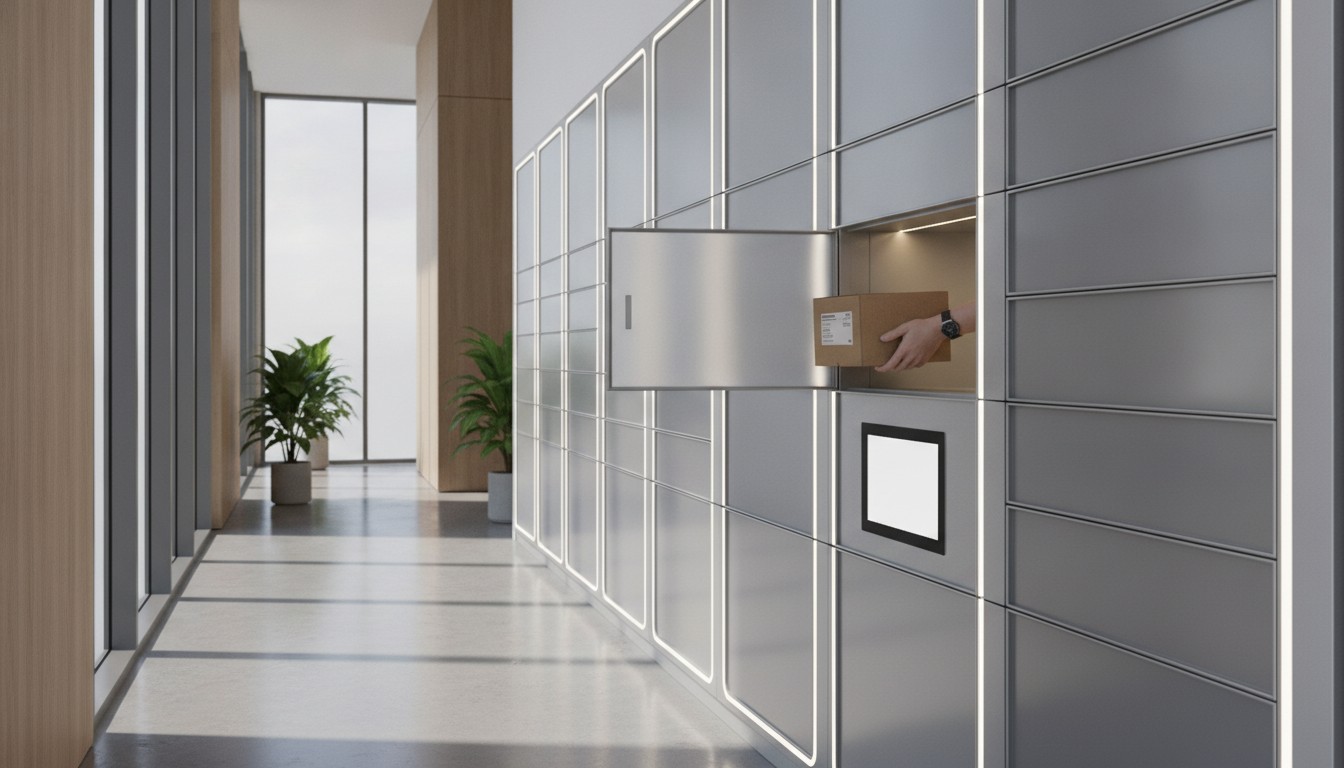
As buildings become increasingly connected, package handling should evolve alongside other building services, much as smart locker systems already do in modern workplaces. A truly intelligent property is not simply equipped with advanced technology. It uses technology to make everyday operations simpler, more visible, and easier to manage.
For building operators facing growing delivery volumes, smarter parcel management can turn a persistent operational problem into a streamlined service that works better for staff and occupants alike.


