
Senior apartments give older adults a private home, personal routines, and control over daily choices. They also connect residents with assistance when health, mobility, or household tasks create new demands. This balance helps people remain active without managing every responsibility alone. In Albuquerque, housing decisions often depend on available services, apartment design, transportation, and emergency planning. Understanding how these elements work together helps families compare communities with more confidence and ask better questions during a visit.
Private Living With Practical Support
For older adults, independence often means choosing meals, visitors, activities, and bedtime without following a family member’s schedule. A senior apartment preserves that control while placing assistance nearby for tasks that require extra time or strength. Families comparing senior apartments in Albuquerque should examine apartment privacy, available care, dining arrangements, transportation, and staff response procedures. These details show how a community supports daily life without taking over personal decisions.
A private apartment also creates continuity. Residents keep familiar furniture, photographs, clothing, and personal routines in a space that feels like home. Staff provides help based on assessed needs, while residents keep making ordinary choices about how they spend each day.
Assistance That Fits Daily Routines
Daily support works best when it matches a person’s actual needs. A resident might need help with bathing, dressing, medication reminders, or moving safely through the apartment. Another person might need occasional assistance with housekeeping but manage personal care independently.
Assessment helps staff establish the right level of support. Families should ask how staff review care needs after move-in and how they communicate changes. Clear answers help prevent both unnecessary assistance and gaps in care.
Safety Without Constant Supervision
Senior apartments use practical safety measures to reduce preventable problems. These measures can include accessible bathrooms, secure entrances, emergency call systems, handrails, and well-lit common areas. The right features support safe movement while preserving a resident’s ability to navigate familiar spaces independently.
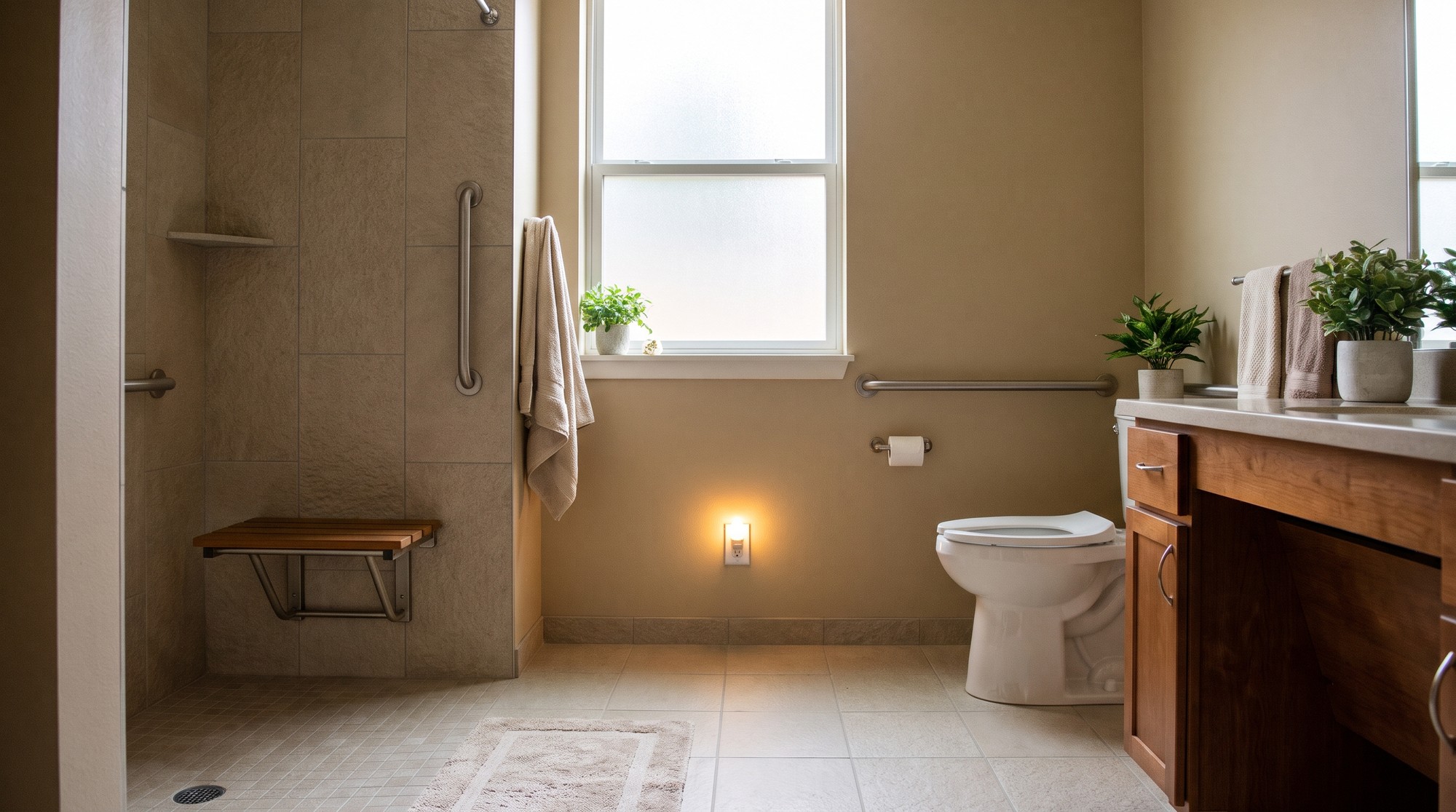
Emergency planning also deserves attention. Families should learn how staff responds to falls, medical concerns, severe weather, and overnight requests for help. A clear response process helps residents when needed without requiring family members to stay nearby.
Social Connection and Personal Choice
Living alone can reduce daily conversation and make routine activities less appealing. Senior apartments create natural opportunities for meals, exercise, hobbies, and group events. Residents choose activities that suit their interests and energy levels.
This choice matters because social contact should remain voluntary. A resident might join a shared meal, attend a scheduled activity, or spend a quiet afternoon in the apartment. The setting supports connection without requiring constant participation.
Transportation and Household Tasks
Household responsibilities often become difficult before a person needs extensive care. Laundry, maintenance, grocery trips, and transportation can consume time or create safety concerns. Senior apartments reduce these burdens through organized services and shared resources.
Transportation details deserve close review. Families should ask where scheduled rides go, how appointments are arranged, and whether residents receive help entering or leaving vehicles. Reliable transportation supports medical visits, errands, and personal commitments while preserving access to the surrounding community.
Questions For a Community Visit
A visit should focus on daily experience rather than appearance alone. Families can ask how residents request assistance, how staff document changing needs, and who contacts relatives after an incident. They should also ask which services cost extra and how residents receive updates about care plans.
Observing the community provides useful information. Notice whether residents have easy access to outdoor areas, dining spaces, lounges, and activity rooms. When appropriate, conversations with residents can reveal whether the setting respects privacy and supports personal routines.
Families still weighing a move against staying in a current home can compare both paths through Intelligent Living’s guide to choosing between retirement living and aging in place.
Conclusion
The right senior apartment connects privacy with dependable assistance. Residents keep control over personal choices while receiving help with care, safety, transportation, or household responsibilities. Families should compare service details instead of relying on appearance or broad promises. Before choosing a community, they can prepare a written list of daily needs, visit at different times, and ask how support changes as health needs develop. That process leads to a clearer match between housing, independence, and care.

