
Extending the life of factory machines is one of the most overlooked ways to cut industrial emissions and waste. Every motor, pump, gearbox or fan that is replaced early carries a hidden environmental cost: the steel, copper and energy used to make the new one, the transport to deliver it and the scrap left behind. Breakdowns also waste raw materials, spoil product batches and trigger rushed shipments of spare parts. By detecting problems early and repairing equipment before serious damage occurs, manufacturers can keep machines running longer, reduce waste and lower their environmental footprint.
The greenest machine is often the one you already own.
The Hidden Footprint of Replacement
When people think about industrial sustainability, they often focus on renewable energy, efficient lighting or electric vehicles. Those matter, but there is another source of impact that gets less attention: the materials and energy embedded in equipment itself.
Manufacturing a new industrial motor or pump requires mining metals, processing materials, assembling components and shipping the finished product. When machines fail early because of preventable wear, that entire footprint is repeated sooner than necessary.
Why Machines Fail Before Their Time
Many industrial breakdowns start with small problems that grow over time:
- Worn bearings that increase friction
- Misalignment that strains shafts and couplings
- Imbalance that causes excessive vibration
- Loose parts that create additional stress
- Overheating that damages insulation and components
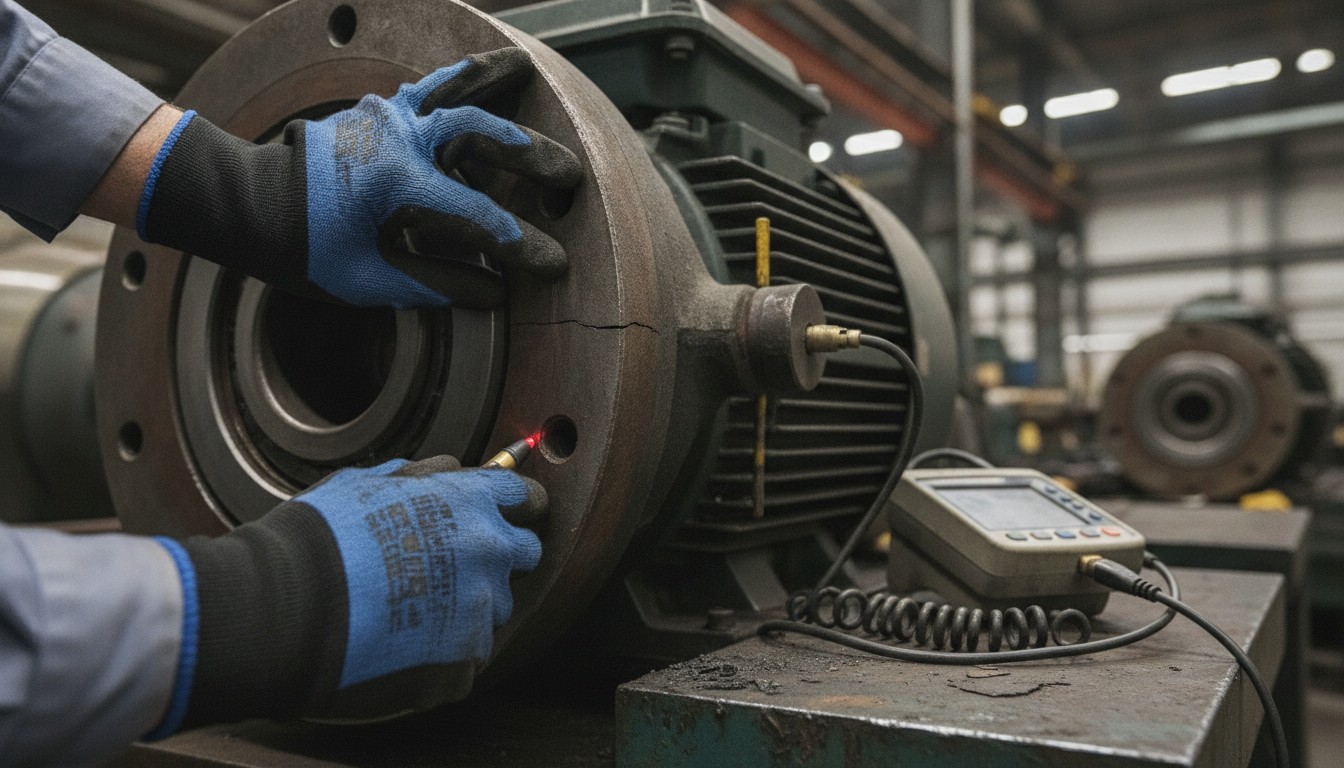
If these issues are caught early, a simple repair or adjustment can often prevent major damage. If they are missed, a minor fix can turn into a full replacement.
Breakdowns Create More Than Repair Bills
| Breakdown impact | Environmental cost |
|---|---|
| Damaged components | More parts manufactured and scrapped |
| Ruined production batches | Wasted raw materials and energy |
| Emergency spare part deliveries | Extra transport emissions, sometimes by air |
| Restarting production lines | Additional energy and material losses |
| Premature equipment replacement | Higher embodied emissions |
Preventing a single serious failure can avoid several of these impacts at once.
Repair Fits the Circular Economy
The circular economy aims to keep products and materials in use for as long as possible. Organizations such as the Ellen MacArthur Foundation promote approaches that reduce waste and keep resources circulating, including maintenance, repair, refurbishment and remanufacturing.
For factories, this means treating maintenance as more than a cost center. Well-maintained equipment supports sustainability goals by reducing demand for new materials and extending the value of existing assets. Similar approaches, such as rebuilding heavy engines rather than replacing them, show how reuse can lower industrial carbon footprints.
How Early Detection Helps
Modern monitoring makes it easier to spot problems before they become destructive. Compact sensors can track vibration and temperature continuously, while software learns each machine’s normal behavior and highlights unusual changes.
Tools for early fault detection, such as Chladni’s wireless sensors and AI-assisted analysis, help maintenance teams identify developing issues like bearing wear or imbalance and plan repairs before secondary damage spreads to shafts, housings or motors.
Catching problems sooner often means:
- Replacing a bearing instead of an entire motor.
- Realigning equipment instead of rebuilding it.
- Scheduling repairs during planned downtime.
- Ordering parts through normal logistics instead of emergency shipping.
- Avoiding damaged product and wasted materials.
Building a Longer-Life Maintenance Culture
Technology works best alongside good habits. Factories that aim to extend equipment life often:
- Track asset history and repair records
- Use precision alignment and balancing
- Follow correct lubrication practices
- Train teams to recognize early warning signs
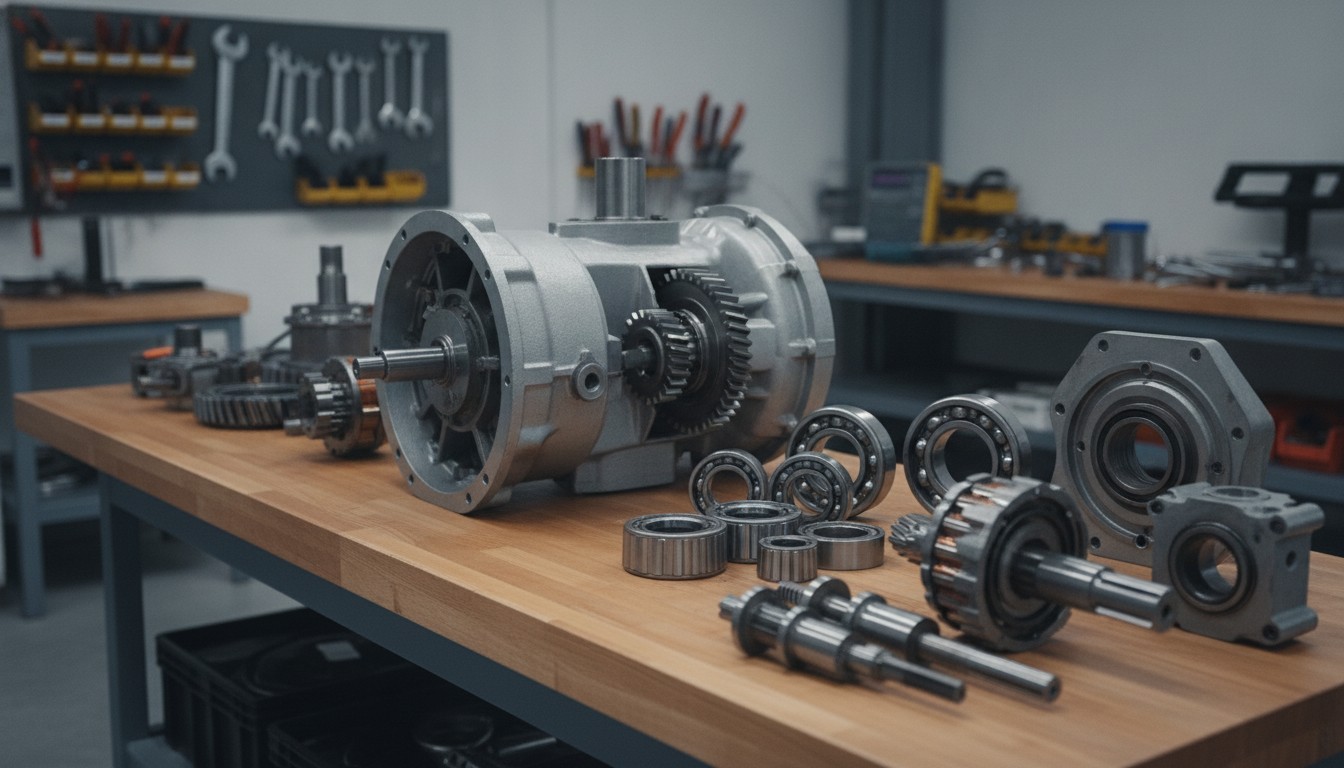
- Refurbish components where possible
- Choose repairable equipment when buying new
These practices make machines more reliable and more sustainable.
Measuring Sustainability Gains
Environmental benefits can be tracked through:
- Equipment lifespan compared with past averages
- Number of major component replacements
- Unplanned breakdowns per year
- Scrap and waste caused by failures
- Emergency shipments avoided
Linking maintenance data to sustainability reporting can help companies show real progress beyond energy use alone.
Do Not Forget the Monitoring Hardware
Sustainable monitoring also means choosing devices responsibly. Manufacturers should consider battery life, durability, repairability and end-of-life recycling for sensors and electronics. Long-lasting devices that prevent major failures can deliver a strong net environmental benefit when managed properly.
Common Mistakes to Avoid
Factories often miss sustainability opportunities when they:
- Replace equipment instead of investigating root causes
- Ignore early warning signs
- Treat maintenance as separate from sustainability goals
- Rely only on reactive repairs
- Overlook waste caused by breakdowns
Sustainability Through Longevity
Reducing industrial emissions is not only about adopting new technologies. It is also about getting more life from the machines already in use.
By detecting problems early, repairing instead of replacing and building a strong maintenance culture, manufacturers can cut waste, conserve resources and make meaningful progress toward a more sustainable future.


