
Farm animals need a steady place that supports health, comfort, and daily care. Steel barns give farmers a practical structure that suits cattle, horses, sheep, goats, and poultry. Their clean layout, strong frame, and simple upkeep make daily farm work easier.
A good animal shelter must handle weather, feed routines, bedding changes, and safe movement. That is why many farms choose livestock barns made from steel for dependable animal housing. These structures support organized spaces without making the barn feel cramped or hard to manage.
Strong Shelter for Changing Weather
Steel frames give animal barns a firm structure that handles heavy rain, strong sun, and seasonal temperature swings. The material holds its shape well across years of use when it is properly coated and maintained. A steady frame helps keep stalls, aisles, and storage areas secure.
Roof panels and wall systems help guide rain away from feeding and resting zones. Proper ventilation features let fresh air move through the shelter, which also helps limit moisture and ammonia buildup from animal waste. Animals stay more comfortable when the barn supports airflow and shade.
Cleaner Spaces for Healthier Animals
Steel surfaces make barn care simpler because they allow easy washing and regular sanitation. Clean stalls help reduce odor, damp bedding, and waste buildup. A fresh space supports better animal comfort during feeding and rest.
Animal housing also needs smart drainage, clear walkways, and practical stall spacing. Steel barns allow farmers to plan these areas with purpose, including washable wall areas and floors that direct water away from resting zones. The result is a tidy shelter that supports daily care without extra fuss.

Flexible Layouts for Different Herds
Every farm has its own mix of animals, feed needs, and work routines. Steel farm structures allow open interiors, stall rows, tack rooms, feed areas, and equipment zones. Planning principles similar to those used when designing efficient farm buildings help farmers match stall sizes, storage, and workflow to daily routines. This flexibility helps the barn match the way the farm actually runs.
Cattle may need wider alleys, while horses need roomy stalls and safe doors. Sheep and goats benefit from grouped pens and easy access to feed. A steel barn can support each setup while keeping movement simple and safe for both animals and workers.
Easier Maintenance Across the Years
Farm shelters deal with hoof traffic, bedding, feed dust, and regular cleaning. Steel holds up well under daily use and needs practical care rather than constant repair. Routine checks of vents, gutters, fasteners, and drainage help prevent small issues from becoming larger repairs. Farmers can spend more time on animals and less time patching the structure.
Protective coatings help panels stay clean and suitable for active farm spaces. Hardware, doors, vents, and partitions can also be checked and serviced with ease. This simple care routine helps the barn stay useful across many seasons.
Better Value for Busy Farms
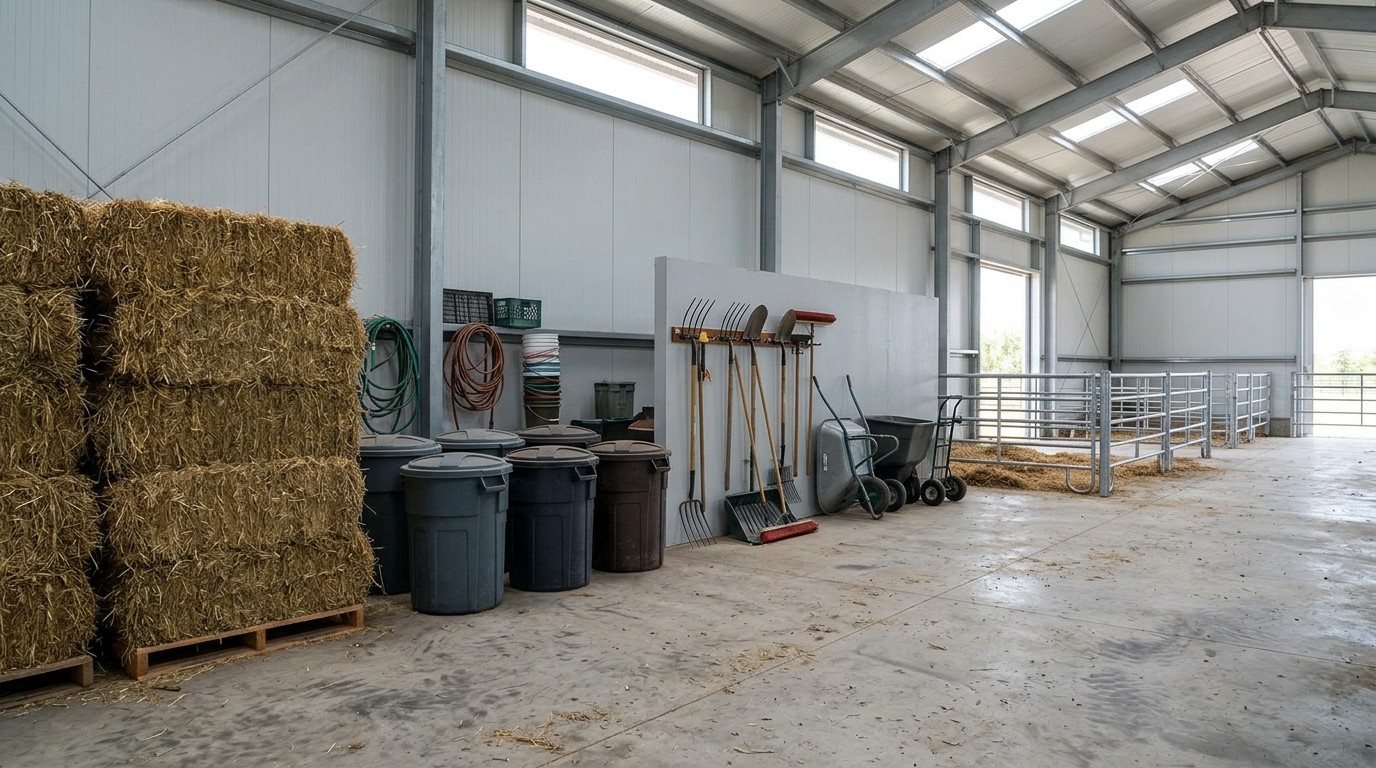
A reliable livestock shelter should support work, storage, and animal comfort in one place. Steel barns offer room for feed, tools, bedding, tractors, and animal handling areas. That practical mix helps daily chores move smoothly.
Farmers also value structures that adapt as herd size or use changes. A steel barn can accept added bays, partitions, or storage sections when the farm needs more room. This makes the shelter useful for current needs and later plans.
Steel barns give livestock a steady, clean, and practical place to live. Livestock barns made from steel support safe stalls, fresh airflow, and organized daily care. Their strong frame, flexible layout, and simple upkeep make them a reliable choice for active farms. For farmers who want a dependable animal shelter without a fussy setup, steel barns make everyday work feel smoother and more manageable.


