
Your home shields everything you value, but maintaining structural stability requires deep familiarity with local building conditions. When seasonal rainstorms roll across your neighborhood, standard construction practices often fail to keep water from entering vulnerable roof seams. Working with established local specialists secures compliance with regional building standards and weather demands, saving you thousands in preventable repairs.
Choosing nearby craftsmen transforms routine property upkeep into a proactive defense strategy. You gain dedicated partners who understand local climate patterns, municipal requirements, and long-term structural needs.
Why Do Regional Climate Realities Demand Local Building Knowledge?
Pacific Northwest weather creates persistent moisture patterns that test exterior building envelopes month after month. High annual rainfall, seasonal freeze-thaw cycles, and heavy tree canopies combine to stress roof systems in distinct ways. When winter winds arrive, water penetrates microscopic gaps that generic installation methods overlook.
Regional moisture patterns demand building techniques tailored to the specific microclimates of Southwest Washington. Selecting an experienced roofing company in Vancouver, WA gives you access to crews who understand local rainfall demands. Skilled specialists know how wet autumn cycles test roof sheathing, flashing points, and attic ventilation. They configure installations that hold up against damp winters rather than relying on generic building strategies.
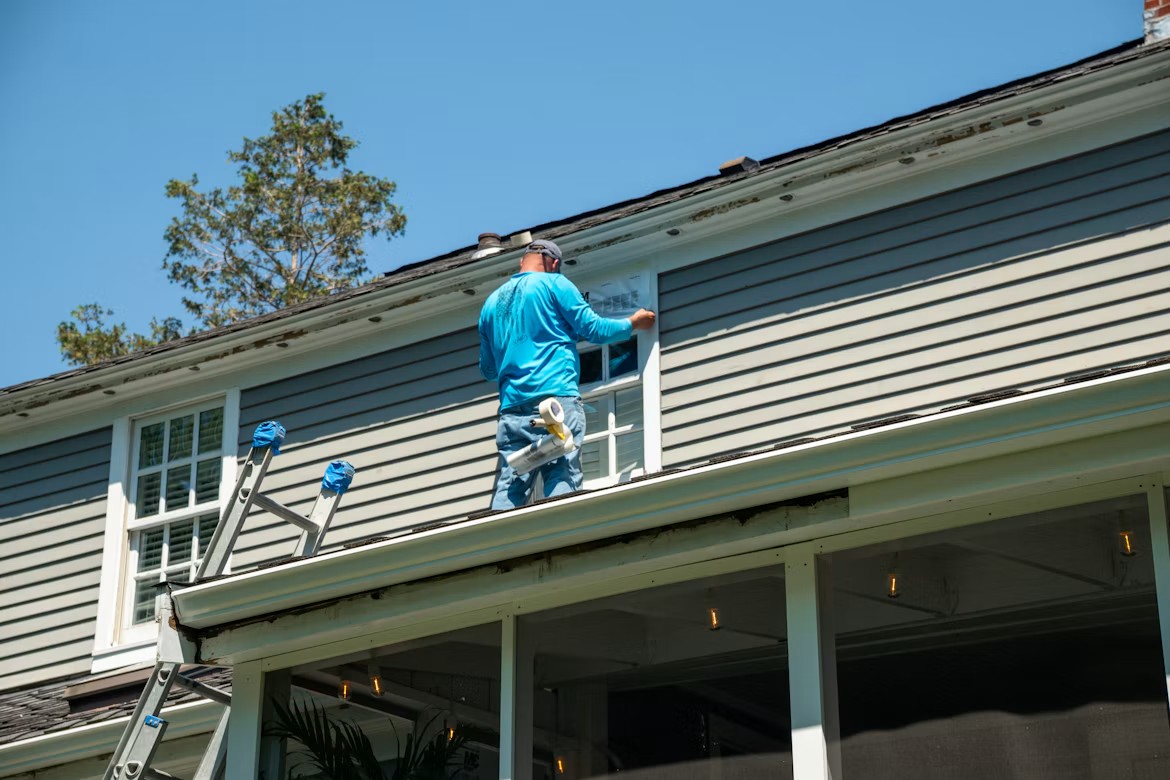
National construction models often treat every roof pitch identically, regardless of whether a house stands in dry heat or under persistent drizzle. That oversight creates moisture pockets beneath shingles, decaying roof decks years ahead of schedule. Working with regional specialists safeguards your rafters against premature rot and interior mold development.
How Do National Chains Fall Short on Regional Building Codes?
Building codes vary significantly between jurisdictions, reflecting unique regional snow loads, wind patterns, and seismic concerns. Out-of-area crews frequently misunderstand municipal permit processes and localized structural mandates. That disconnect leaves property owners vulnerable to failed inspections, expensive retrofits, and unresolved code disputes.
Permit compliance directly impacts your safety and long-term property value. The Federal Emergency Management Agency recommends consulting municipal building offices before starting repairs to confirm local permit rules and hazard regulations. Skipping that step invites regulatory delays and potential fines that derail your maintenance budget.
Navigating Clark County and City Regulations
Local building authorities enforce precise standards on deck fastening, ice barrier placement, and exhaust venting. Established area contractors pull permits routinely and maintain active working relationships with municipal inspectors. Their familiarity eliminates bureaucratic guesswork, keeping your project moving forward without costly stoppages.
When code compliance remains airtight, insurance companies process future property claims much faster. Clear documentation proves that your roof meets every regional standard, protecting your financial interests during catastrophic weather events.
What Makes Local Material Selection Outperform Generic Products?
Big-box supply chains prioritize mass inventory that satisfies minimum national standards rather than addressing regional durability. Homes exposed to heavy rainfall require materials engineered intentionally to resist constant dampness and algae growth. Selecting the wrong shingle composite often leads to rapid surface wear and costly premature replacement.
Regional roofing specialists partner with top manufacturers to source architectural shingles, synthetic underlayments, and heavy-gauge metal flashing tailored to local humidity. These premium products feature specialized copper and zinc granules that inhibit moss buildup, keeping your roof surface clean and watertight.
Choosing Climate-Resilient Assemblies
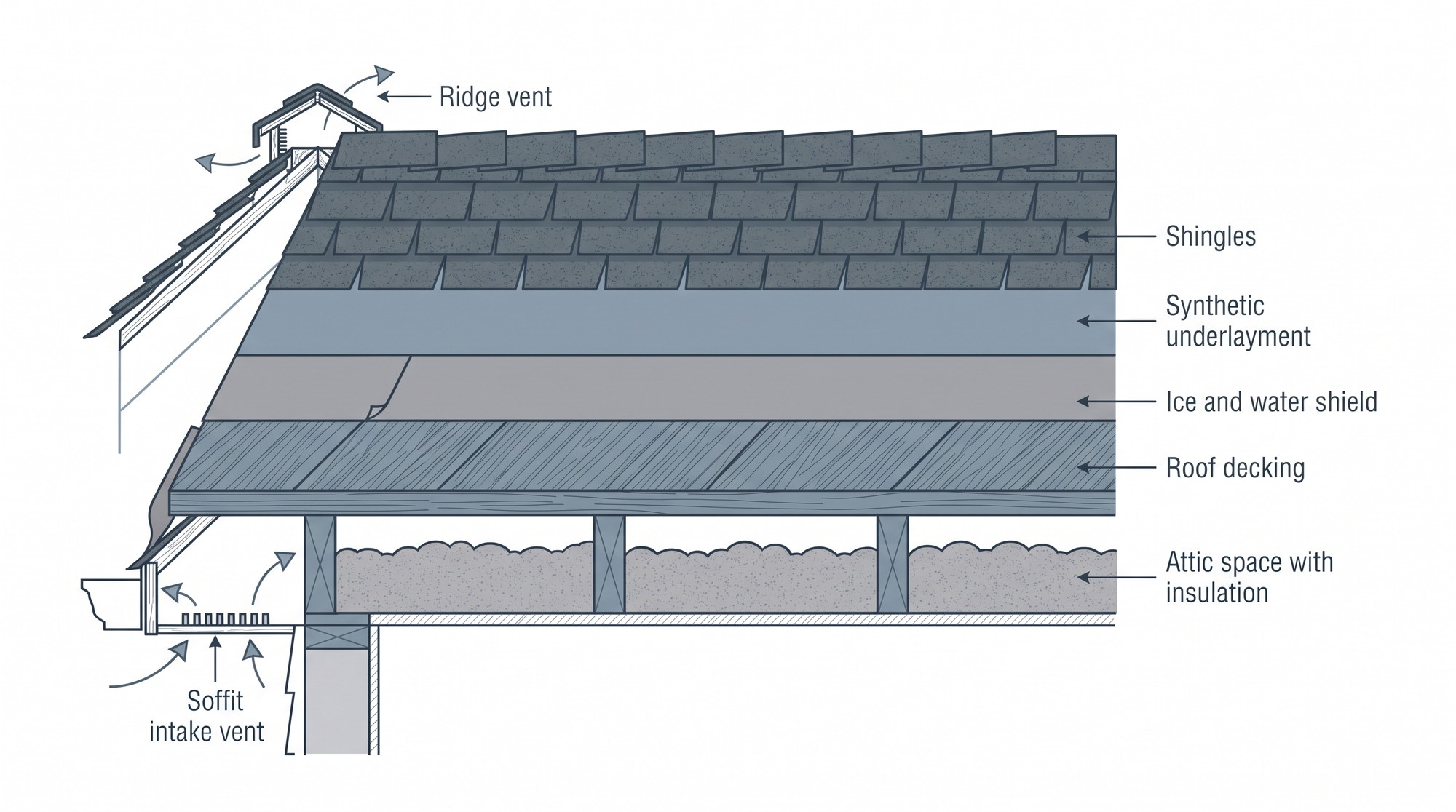
Proper roof design extends far beyond the top shingle layer. Local professionals evaluate your entire roof assembly, from ice and water shields along eaves to balanced ridge ventilation.
Underlayment Performance Standards
Synthetic underlayment creates a dependable barrier against driven rain when seasonal windstorms lift shingle edges. Experienced roofers specify thick, self-adhering membranes that seal tightly around every nail penetration.
Custom Flashing Details
Hand-bent metal flashing around chimneys, dormers, and valleys channels runoff safely away from vulnerable joints. Off-the-shelf flashing kits rarely match custom architectural angles, creating invisible pathways for water intrusion.
Why Do Storm Chasers Threaten Your Home and Wallet?
Severe storms often bring high winds, falling branches, and broken tiles that require rapid restoration. Regrettably, natural disasters frequently attract opportunistic out-of-town crews seeking quick profits from stressed property owners. These roving operators offer aggressive sales pitches, promise unrealistic timelines, and disappear as soon as they collect your payment.
The Better Business Bureau cautions property owners about door-to-door repair crews after major storms, warning that transient contractors often solicit free inspections before disappearing with upfront payments. Hiring unverified operators puts your property at risk of substandard craftsmanship and fraudulent insurance claims.
Local businesses maintain permanent offices, physical equipment yards, and established reputations within your community. They remain accountable for their work long after the storm clouds clear, giving you dependable recourse if unexpected issues arise.
How Do Comprehensive Warranties Protect Your Investment?
Roof installations represent substantial financial investments, making robust warranty coverage a top priority for any prudent homeowner. Standard manufacturer warranties cover material defects, but they frequently exclude labor costs resulting from improper installation. A regional contractor provides dual-layer protection that pairs strong manufacturer backing with comprehensive labor guarantees.
Working with certified regional installers unlocks extended non-prorated warranties that national chains cannot offer. Because local contractors undergo rigorous factory training, manufacturers trust their installations and back them with comprehensive guarantees.
- Review manufacturer certifications: Top shingle makers grant extended coverage only to certified local installers.
- Verify workmanship guarantees: A labor warranty protects you against installation errors that standard shingle warranties exclude.
- Keep documentation organized: Retain signed contracts, permit copies, and inspection sign-offs in your home records.
Local warranty support means that if a flashing seam shifts during a freeze event, a local crew arrives swiftly to fix it. You avoid endless telephone holds with out-of-state call centers that view your home as an anonymous ticket number.
A warranty only pays off when the roof beneath it performs. That performance begins with how the assembly is put together, layer by layer, before a single shingle is nailed down. Homeowners who want to avoid common installation errors can review 7 common roofing mistakes homeowners make before comparing contractor quotes.
What Does Effective Preventive Maintenance Look Like?
Routine maintenance prevents minor surface wear from developing into catastrophic structural damage. Scheduling regular professional roof inspections allows you to identify loose shingles, cracked pipe boots, and moss colonization before leaks penetrate your living space. Proactive care keeps a roofing system in service for its full design life instead of cutting that span short.
Homeowners who invest in scheduled seasonal maintenance save significant money over the lifespan of their property. Small sealant touch-ups and gutter clearing protect the structural decking beneath your shingles, keeping interior ceilings safe and dry.
Core Maintenance Strategies for Homeowners
A structured maintenance plan combines professional inspections with simple proactive steps between seasons.
Seasonal Surface Checks:
Regular visual evaluations help you spot emerging hazards before winter rainstorms strike.
- Clear debris routinely: Pine needles and falling leaves trap moisture that rots shingle granules.
- Inspect flashing joints: Check metal flashing around chimneys and skylights before winter storms arrive.
- Clean gutter channels: Open downspouts prevent standing water from backing under your roof eaves.
- Monitor attic airflow: Balanced intake and exhaust vents stop heat buildup and winter condensation.
Partnering with regional professionals secures long-term shelter integrity for your home. When you trust your property to experienced local contractors, you gain peace of mind knowing your roof will endure seasonal challenges for decades to come.

