
Heating and cooling a home takes a massive toll on domestic carbon outputs. Every time your HVAC system kicks into high gear to fight off extreme weather, your energy bill climbs and your environmental footprint expands.
Building science now points toward passive architectural textiles as a crucial component of modern building envelope efficiency. Rather than relying solely on mechanical systems, you can harness smart design principles to create a more resilient indoor climate. Finding the right balance between comfort and conservation starts right at your windows.
Why Do Cellular Air Pockets Act as Thermal Barriers?
Drafty windows turn your living space into an energy sieve. Upgrading with options like custom cellular shades adds a critical layer of geometric defense against heat exchange. Glass panes offer almost zero resistance to temperature changes outside, allowing winter chills and summer heat to penetrate your rooms effortlessly.
When you understand the physics of thermal insulating barriers against conduction, you start to see interior design as a functional defense system. The secret lies in trapping air before it can alter your indoor climate. By incorporating specialized textiles, you create a buffer zone that stops temperature transfer cold.
This targeted approach to multi-cell window engineering traps ambient air inside honeycomb structures, forcing heat to pause rather than passing straight through the glass. You gain a powerful tool that actively resists drafts and thermal conduction. Your home stays shielded from extreme outdoor fluctuations without requiring constant thermostat adjustments.
How Do You Calculate HVAC Load Reductions?
Mechanical climate control systems work overtime when your windows offer poor thermal resistance. Every degree of lost temperature forces your heater or air conditioner to consume more power. Comparing static interior window coverings against heavy mechanical usage reveals a clear advantage for passive insulation. The numbers paint a compelling picture of energy conservation.
According to the U.S. Department of Energy, insulating cellular shades can cut winter heat loss by 40 percent or more and reduce summer solar heat gain by up to 60 percent. You reduce the burden on your HVAC unit, meaning it cycles on less frequently and consumes far less electricity or gas.
Lowering your HVAC load directly translates to financial savings month after month. You stop paying to heat the neighborhood and start keeping your expensive climate-controlled air exactly where it belongs.
What Does Proper Window Treatment Installation Require?
Getting the most out of your thermal barriers requires attention to detail during setup. A sloppy fit allows air to bypass the cellular structure entirely, neutralizing the insulating benefits. You need a tight seal along the window frame to maximize energy retention.
- Measure with precision: record the exact dimensions of your window casing down to the millimeter to prevent edge gaps.
- Prioritize inside mounts: mount the shades inside the frame to create a snug barrier directly against the glass.
- Inspect the seals: check the edges where the fabric meets the wall, adding weatherstripping if you notice any lingering drafts.
Air behaves like water, finding the path of least resistance to flow into your living space. Leaving a half-inch gap at the bottom of a shade allows a continuous stream of cold air to pool on your floor.
You can add side tracks to your window frames to guide the shades up and down while locking the edges in place. This simple addition creates a near-perfect seal that blocks drafts completely.
Why Do Automated Shading Systems Make a Difference?
Human error limits the effectiveness of manual window treatments. You might forget to lower the blinds before leaving for work on a sunny day, returning to a sweltering house that requires immediate air conditioning. Integrating automated and motorized shading systems into your unified smart home energy management ecosystem removes the guesswork.
Sensors can detect rising temperatures or shifting sunlight and adjust the barriers automatically. As Seattle City Light points out, renters and homeowners alike can improve indoor temperature regulation and lower their utility costs by deploying items like cellular shades effectively. Automation guarantees that your home responds to environmental changes the moment they happen.
Linking these motorized systems to your smart thermostat creates a synchronized defense grid. Your shades lower the moment the room reaches a target temperature, allowing the air conditioning to power down and save energy.
How Do Interior Textiles Impact Your Carbon Footprint?
Your daily energy consumption directly influences your household carbon emissions. Heavy reliance on natural gas heating or coal-powered electricity grids compounds your environmental impact year after year. Transitioning to passive thermal barriers allows you to slash that mechanical energy demand at the source.
You stop treating the symptoms of a leaky house and start fixing the root cause. A well-insulated room holds its temperature for hours, allowing your HVAC system to rest while you enjoy a stable, eco-friendly climate.
Shrinking your carbon footprint does not require living in the dark or enduring uncomfortable temperatures. You achieve a greener lifestyle simply by making your existing building envelope work harder to retain the climate you already paid to create.
Why Do Window Treatments Outperform Costly Renovations?
Tearing out old windows and installing triple-pane replacements costs tens of thousands of dollars. You face long construction timelines, messy living conditions, and a massive upfront investment that takes decades to recoup. Upgrading your interior window coverings provides a rapid, cost-effective alternative with immediate returns.
You gain similar thermal resistance without the construction headaches. Hanging the right cellular fabrics transforms your existing windows into high-performance energy assets in an afternoon.
What Are the Hidden Comfort Benefits of Passive Textiles?
Energy savings dominate the conversation around window treatments, but the daily comfort upgrades deserve equal attention. Heavy thermal fabrics naturally absorb sound waves, turning a noisy street-facing room into a quiet sanctuary. You gain control over glare, protecting your furniture and hardwood floors from UV fading.
- Block harsh sunlight: diffuse intense morning rays to reduce screen glare in your home office.
- Muffle neighborhood noise: create a quieter sleeping environment by adding dense cellular fabrics to bedroom windows.
- Boost daytime privacy: keep prying eyes out without sacrificing natural light by choosing top-down, bottom-up designs.
How Do You Adapt Your Strategy for Changing Seasons?
Passive insulation requires a proactive approach to seasonal shifts. Winter strategies focus entirely on capturing natural warmth and sealing out the cold. You want to leave south-facing shades open during peak daylight hours to harvest solar heat, then shut them tight the moment the sun dips below the horizon.
Summer demands the exact opposite protocol. The same shade-first logic behind passive cooling strategies for heatwaves applies here. Your goal shifts to blocking solar radiation before it enters the room. Keep east- and west-facing shades drawn during the hottest parts of the day to maintain a cool, comfortable interior.
Adapting your window geometry to match the calendar maximizes your thermal efficiency. You turn a static piece of fabric into an active, year-round climate management tool.
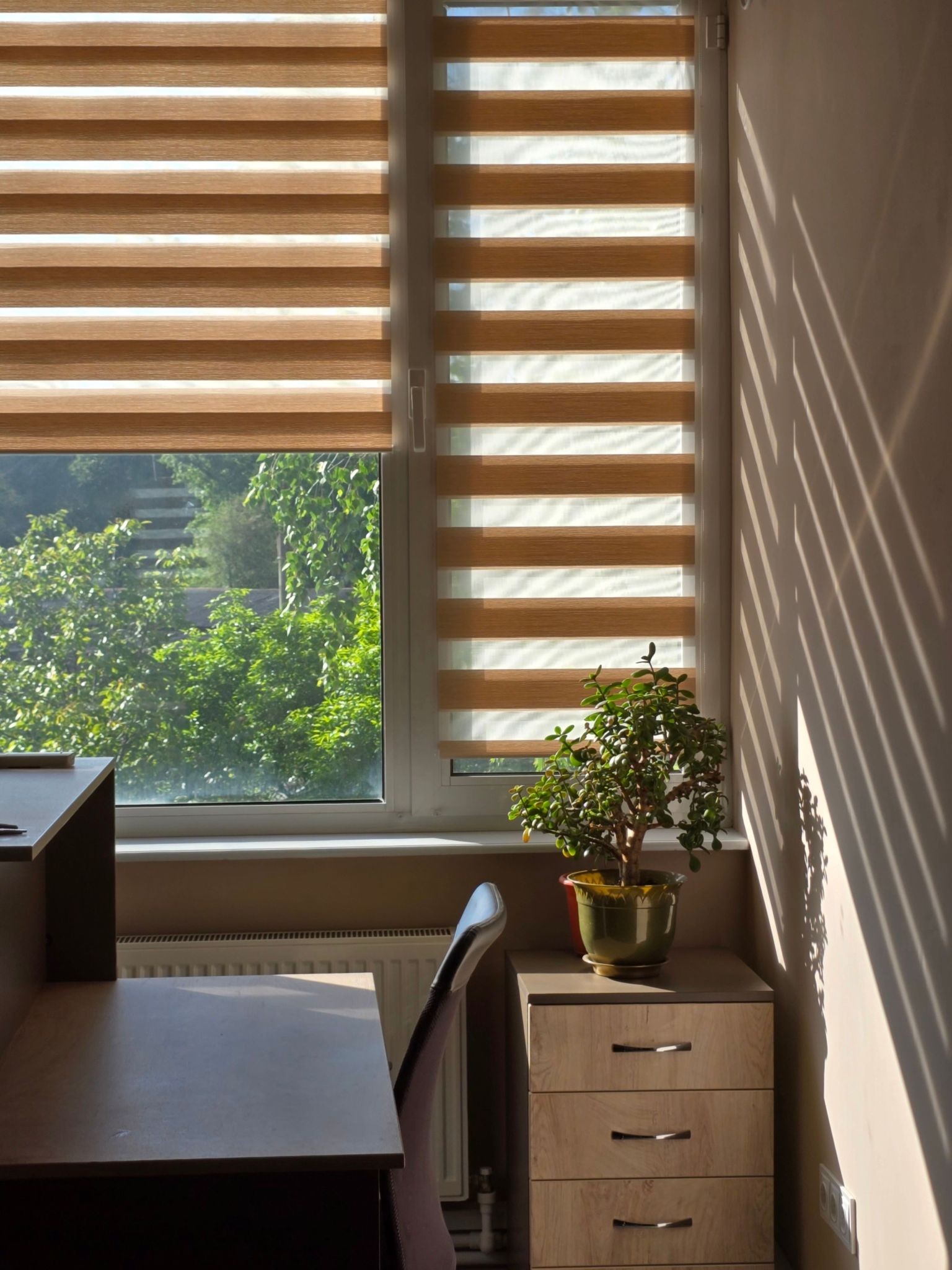
Sustainable residential upgrades deliver serious efficiency gains when you combine passive thermal science with tailored interior design. You transform vulnerable glass panes into active energy shields simply by choosing the right cellular structures. Your home stays comfortable year-round, your reliance on heavy mechanical cooling plummets, and your utility bills shrink to manageable levels. Upgrading your building envelope starts with a single smart adjustment to your windows.


