
We’re all familiar with the term “cybersecurity.” Not only is it a word that’s been floating around since the introduction of the world wide web, which, fortunately, most of us remember well, but it’s also a word that, at its core, is pretty self-explanatory.
The trouble is, our familiarity with the word has the unwanted effect of making us a little too reliant on it, and maybe even a little too trusting. Cybersecurity is a vital part of all our lives, whether we directly address it or simply benefit from those who do: those who are working to protect our bank accounts, our medical files, and our financial data, for instance.
But it’s not the whole story, and simply focusing on cybersecurity isn’t enough anymore. We need to be focused on cyber resilience and, even more importantly, understand its inherent difference from cybersecurity.
Cybersecurity vs. Cyber Resilience
Here’s the difference in a single sentence: cybersecurity is about preventing attacks, whereas resilience is about continuing to function when they happen.
Cybersecurity alone is not enough, because it assumes that the defenses will be enough to prevent an attack. Cyber resilience means planning for the “what if” scenarios, however unlikely or remote they might seem. By its very definition, it is the practice of knowing what you will do if the worst happens.
No perimeter is totally impervious to attack, and a resilient organization assumes breach and designs its systems accordingly. That mindset is what separates organizations that recover quickly from those that stall when something goes wrong, and it is the same principle behind building resilience against cyber-attacks in practical, everyday terms.
What’s more, AI-assisted attack tools have lowered the skill threshold for adversaries. Unless you are constantly investing and reinvesting into ensuring your resilience, you cannot be sure that tomorrow will look anything like today.
The Role of Continuous Testing in Building Real Resilience
Penetration testing has represented the backbone of business resilience for many, many years now. It is, in a nutshell, the process of using hackers’ tactics and technologies against your own enterprise in order to establish where your vulnerabilities lie. It is inarguably the best way to understand your business through the eyes of those who wish to access it for nefarious reasons, rather than simply relying on your defenses without testing them from the other side of the threshold.
But penetration testing typically happens once or twice a year, for most enterprises. They don’t have an in-house team working round the clock to test the company’s defenses from every angle. Instead, they’re working with an agency that manages the process for many companies at once.
Of course, this is the right way to go: if it weren’t, then cyber resilience wouldn’t be sustainable for the vast majority of businesses out there. But testing shouldn’t be a “once in a while” thing. Testing should inform remediation cycles, not just produce a report that sits in a drawer.
Continuous threat exposure management (CTEM) is possible with the right tools. Tools like the Cyver CTEM platform are designed to centralize security testing workflows, track findings from discovery through to verified remediation, and give both technical teams and leadership a live picture of where exposure exists. Rather than treating testing as a periodic event, this kind of infrastructure supports the continuous assurance model that resilience genuinely requires. The process needs to be defined from beginning to end, or vital insights will be lost somewhere between discovery and remediation.
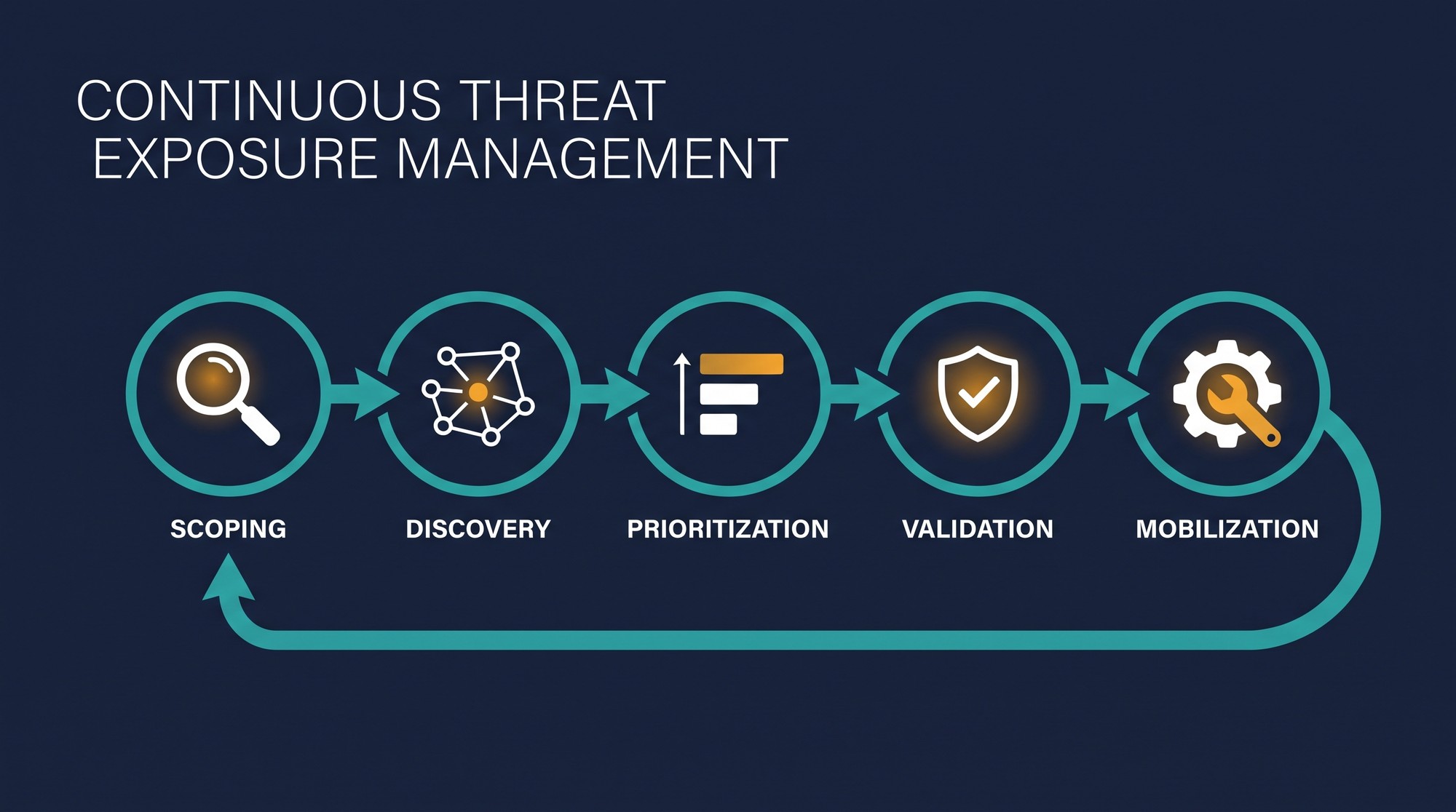
The framework itself is well established. Gartner’s guidance on continuous threat exposure management describes a five-stage cycle of scoping, discovery, prioritization, validation, and mobilization, repeated continuously rather than run as a quarterly project. For most teams, the practical obstacle isn’t the model; it’s having somewhere to hold the evidence that each stage produced.


