
A house rarely develops a serious problem without offering a few warnings first. A faint water stain, a slow-draining sink, or a room that never feels comfortable may seem insignificant during a busy week. Yet these small changes often reveal problems developing behind walls, beneath floors, or inside essential home systems.
The challenge is knowing which warning signs deserve immediate attention and which can be addressed through routine maintenance. By recognizing unusual changes early, homeowners can protect their property, avoid unnecessary damage, and keep everyday household systems working reliably.

Investigate Plumbing Problems Before Water Damage Spreads
Plumbing problems are particularly troublesome because much of a home’s pipework remains hidden. A small leak behind a cabinet or inside a wall can continue unnoticed until moisture damages surrounding materials. Watch for unexplained increases in water bills, damp patches, reduced water pressure, and recurring drain blockages, as these symptoms may indicate leaking connections, deteriorating pipes, or obstructions that require professional attention.
While minor issues may be manageable with basic maintenance, persistent leaks and drainage problems often require professional expertise. If you’re dealing with recurring plumbing trouble and don’t know whom to contact, a practical starting point is to look up plumbers near me and compare local professionals based on their experience, services, and customer reviews. A qualified plumber can identify the underlying cause of the problem and recommend appropriate repairs rather than relying on temporary fixes, and addressing these issues promptly can help prevent moisture from spreading into flooring, cabinetry, and structural materials.
Check Your Roof Before Minor Leaks Become Interior Damage
Roof damage does not always announce itself through water dripping from the ceiling. Sometimes the earliest clues appear as discoloration near attic corners, peeling paint, or damp insulation. Weather exposure gradually affects shingles, flashing, sealants, and drainage components, and even a small opening around a roof penetration can allow moisture to enter during heavy rainfall.
Inspect your roof visually from the ground after major storms. Look for missing shingles, displaced materials, damaged flashing, and debris collecting near drainage areas. Inside the attic, check for unusual stains, wet insulation, or visible daylight around vulnerable sections.
Avoid walking on the roof without appropriate training and safety equipment, as professional inspections are safer when damage is suspected. Addressing roof defects early can help prevent ceiling deterioration, insulation damage, and moisture problems inside wall cavities.
Keep Gutters Clear to Protect Your Foundation
Gutters perform an important task that homeowners often overlook: directing rainwater away from the building. When leaves, branches, and other debris block drainage channels, water may overflow and collect near exterior walls. Repeated saturation around the foundation can contribute to basement dampness, soil movement, and deterioration of nearby building materials.
Inspect gutters regularly, particularly after storms and during seasons when trees shed leaves. Make sure downspouts remain connected and discharge water away from the foundation according to local drainage requirements. Look for sagging sections, loose brackets, and visible leaks along gutter joints.
If water consistently pools near the house, examine surrounding grading and drainage conditions. Keeping rainwater moving away from the property is a relatively simple maintenance priority that can prevent complicated moisture problems later.
Notice When Your HVAC System Starts Working Differently
Heating and cooling systems often show performance changes before they stop working completely. A room may take longer to reach the desired temperature, airflow might weaken, or the equipment may begin operating more frequently than usual. These symptoms can result from dirty filters, blocked vents, thermostat problems, or mechanical components requiring service.
Replace or clean air filters according to the manufacturer’s instructions and your household’s operating conditions. Keep supply registers unobstructed and check whether furniture or curtains restrict airflow. Unusual grinding noises, burning smells, and repeated system shutdowns deserve professional investigation.
Annual maintenance can also help technicians identify developing problems before periods of heavy heating or cooling demand. A properly maintained HVAC system supports indoor comfort while reducing unnecessary strain on equipment.
Look for Moisture Problems in Bathrooms and Kitchens
Bathrooms and kitchens experience frequent exposure to water, making them particularly vulnerable to hidden moisture damage. Cracked grout, deteriorating caulking, loose fixtures, and poorly ventilated spaces can allow water to reach materials beneath finished surfaces. Inspect areas around sinks, bathtubs, showers, dishwashers, and toilets for discoloration or soft flooring.
Pay attention to persistent musty odors, peeling paint, and recurring condensation. Ventilation fans should remove excess moisture effectively rather than simply produce noise. After showering or cooking, use appropriate ventilation to reduce humidity.
Replace damaged sealants when necessary, but investigate recurring dampness before covering it with fresh caulking. If cabinets or walls remain wet despite surface repairs, a concealed plumbing leak may be responsible. Identifying the moisture source is essential because cosmetic improvements alone cannot prevent further deterioration.
Pay Attention to Doors, Windows, and Changing Indoor Comfort
Doors and windows influence more than appearance. They affect weather protection, ventilation, security, and indoor temperature. A window that suddenly becomes difficult to open may have damaged hardware or a shifting frame, while drafts around closed windows can indicate worn weatherstripping or deteriorating seals.
Inspect frames for moisture damage, cracking, and gaps where outside air or water might enter. Replace damaged weatherstripping and repair minor sealing problems when appropriate. Condensation between the panes of an insulated window may indicate failure of the sealed glass unit.
Persistent sticking across several doors or newly developing wall cracks may also justify checking for building movement. Not every change indicates structural damage, but patterns deserve attention. Maintaining windows and doors helps preserve comfort while protecting surrounding interior finishes.
Inspect Electrical Warning Signs Instead of Ignoring Them
Electrical problems require particular caution because they can create fire and shock hazards. Flickering lights, frequently tripping breakers, buzzing outlets, and unusually warm switches may indicate overloaded circuits or deteriorating connections. Occasional light fluctuations can have harmless explanations, but recurring symptoms should not be dismissed.
Avoid using extension cords as permanent substitutes for adequate electrical outlets. Inspect accessible cords for fraying, damaged insulation, and loose plugs, and never attempt to repair wiring inside an electrical panel without appropriate qualifications.
If an outlet produces sparks, smoke, or a burning smell, stop using it and seek qualified assistance. Older homes may also benefit from electrical inspections when their systems have not been evaluated for many years. Professional assessment helps determine whether repairs, circuit improvements, or updated protective devices are necessary.
Build a Seasonal Maintenance Routine That Prevents Surprises
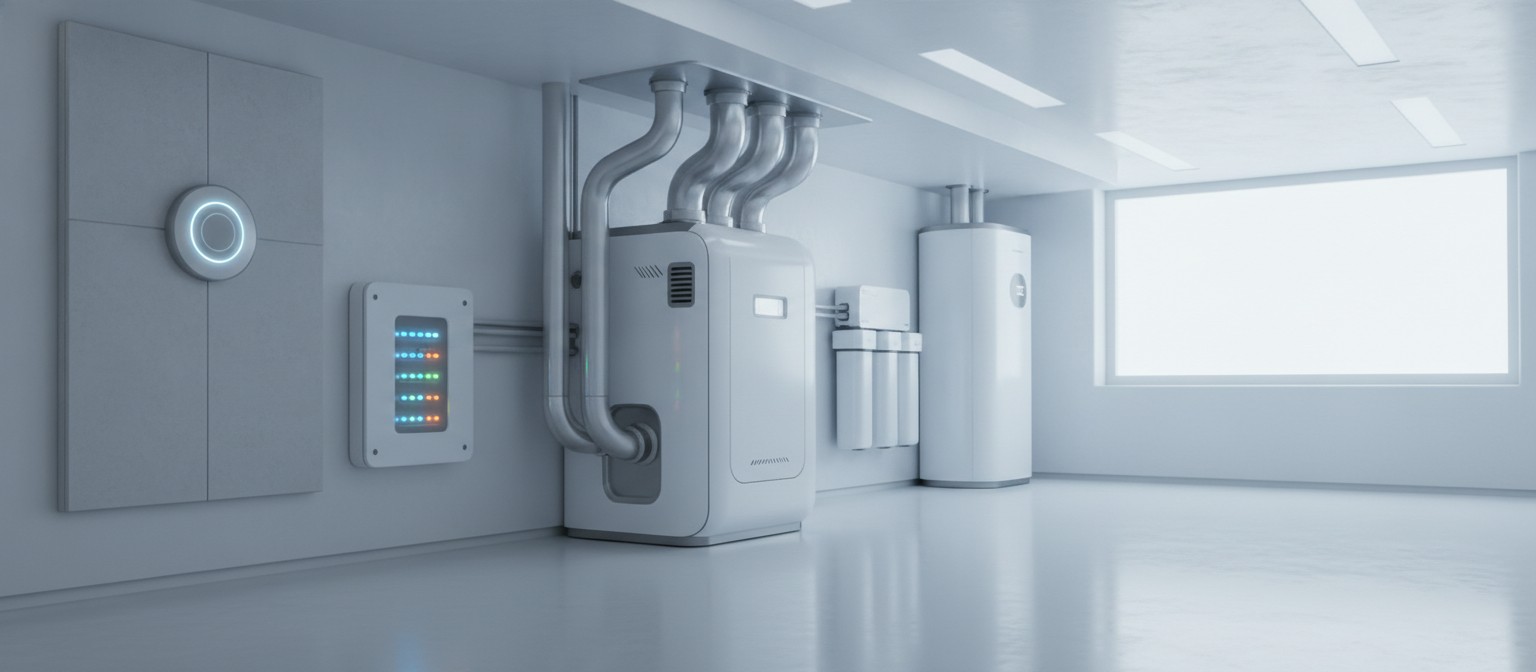
Home maintenance becomes easier when inspections are distributed throughout the year instead of postponed until something breaks. Create a checklist covering plumbing, roofing, drainage, heating, cooling, electrical safety, and moisture control. Before colder weather, examine exposed plumbing, heating equipment, and weather seals, and during warmer months, check cooling performance, outdoor drainage, and areas exposed to heavy rainfall.
Record maintenance dates, completed repairs, and recurring concerns so developing patterns become easier to recognize. Keep photographs of unusual stains, cracks, or other changes to help track whether conditions are worsening, and prioritize safety-related problems and active leaks over cosmetic improvements.
You do not need to become an expert in every household system. The goal is to recognize when something changes and arrange appropriate maintenance before the problem grows. A well-maintained home is not necessarily one that never needs repairs. It is one where warning signs are noticed early, underlying causes are addressed, and small problems rarely have the opportunity to become major disruptions.

