
With the urgent need to tackle climate change, clean energy projects like solar farms and wind turbines are on the rise. But even the greenest technologies rely on steel structures for support. Making steel is one of the most carbon-intensive industrial activities.
That’s why a key part of making clean energy truly sustainable is paying attention to the details, especially how those steel pieces are joined together. Durable steel connections can significantly reduce the amount of “hidden” carbon generated across a project’s lifetime, including frequent replacements, repairs, and site visits. Learn more about the role of reliable steel connections below.
Steel Is the Backbone of Clean Energy
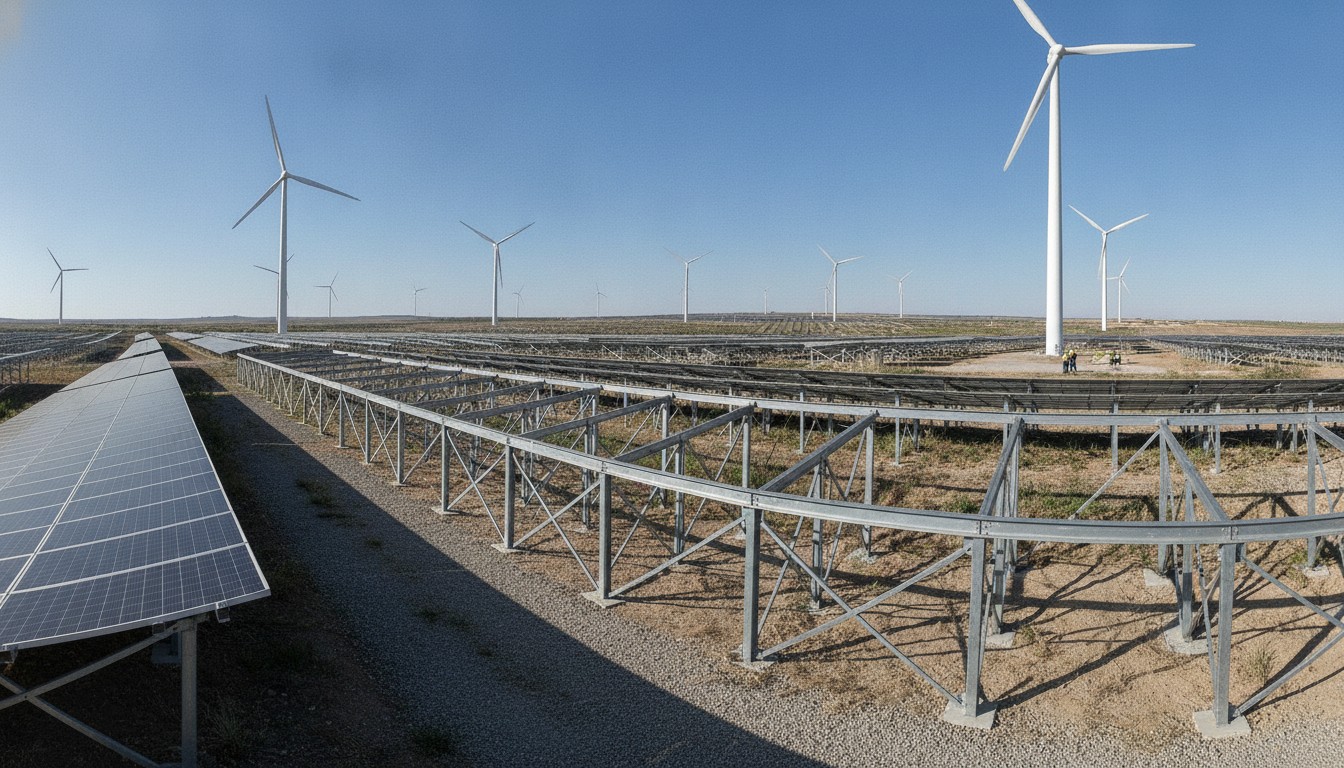
Wind turbine towers, solar mounting frames, and transmission supports all rely on steel structures, which give these clean energy projects both strength and stability. However, the initial construction matters: steel connections are hard to replace at scale, requiring major interventions, large costs, and, above all, replacement parts that produce carbon.
Simply put, the longer a structure stays in service, the more clean power it delivers for the carbon spent making it. When joints or fasteners fail early, parts must be remanufactured, shipped, and installed again. Each of those steps adds emissions that a more durable structure would have avoided.
Ultimately, strong connections do not get much attention, but they often decide whether a structure reaches its intended working life or needs costly work much sooner.
Upfront Savings Versus Lifetime Emissions
Wind turbines and solar farms have the potential to power our world, but they come with an initial price tag that cannot be overlooked, especially for investors looking to set up extensive clean energy projects and solar farms.
So, sometimes, cutting initial costs can be tempting, whether that means lighter joints or skipping protective treatments. However, the savings often prove temporary: every time a crew returns to repair a failed connection or more steel is needed for a replacement, more carbon is spent, sometimes far more than the material saved at the start.
Investing in durable connections from the start usually brings:
- Fewer replacements over the project’s lifespan
- Less downtime and maintenance work
- Greater confidence in structural performance
Looking at the full lifespan rather than just the day-one numbers is one of the simplest ways to stretch the climate benefits of clean energy infrastructure.
How Corrosion Protection Keeps Joints Sound
Corrosion is the real enemy of steel, especially in structures that are exposed to the elements, such as wind turbines and offshore clean energy projects. Even small patches affecting a single joint can shorten the life of an entire installation and compromise its safety standards.
Wind and solar sites face moisture, salt air, dust, and temperature swings, so protection is essential. Common methods include:
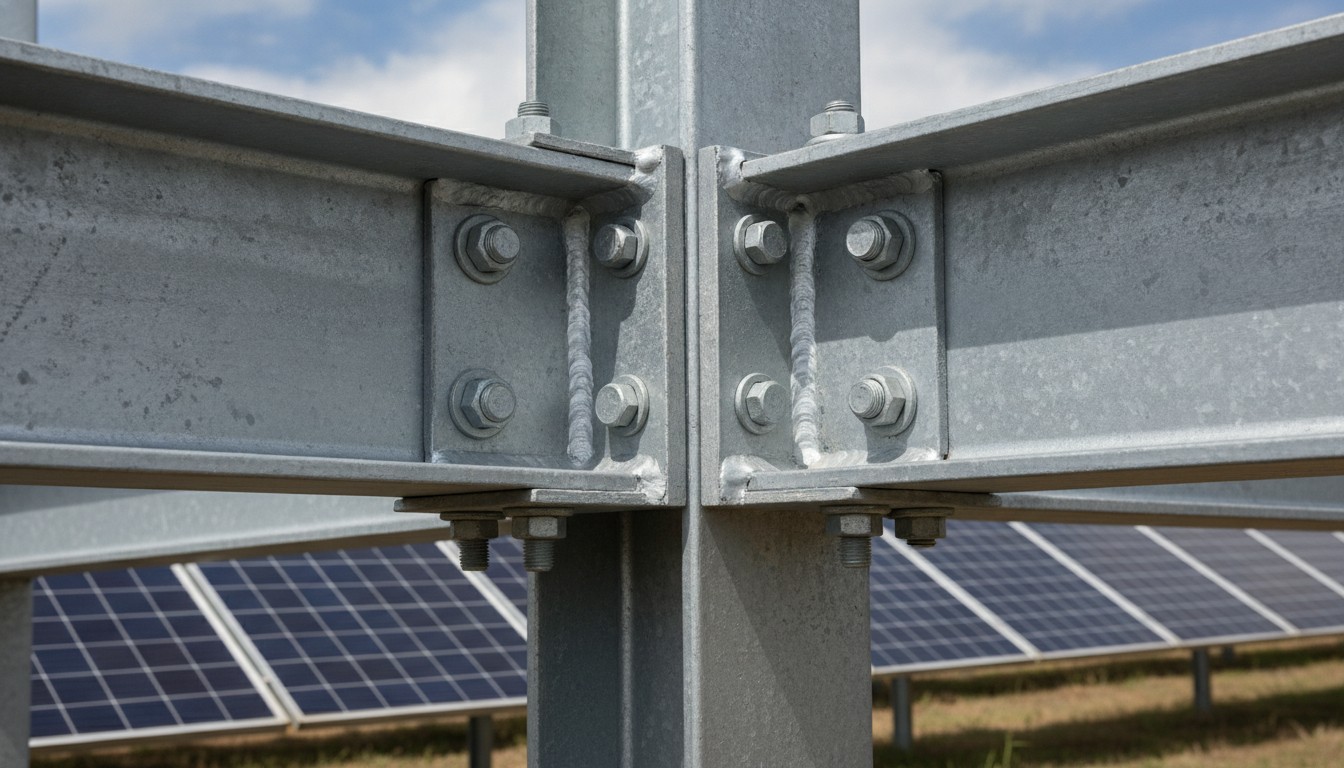
- Galvanized coatings that shield steel from moisture and oxygen
- Paint or epoxy layers suited to the local climate
- Joint designs that allow drainage and airflow
Together, these measures can keep structures safe and rust-free for decades. They also help reduce the impact on the environment: less corrosion means less rework, and less rework means fewer materials, fewer trips, and lower emissions.
Designing for Access and Inspections
According to data from ClimateCouncil.org, the typical operating life of an onshore wind farm ranges from 25 to 40 years, while solar farms are generally designed to last up to 25 years.
However, even well-constructed and well-protected steel needs regular checks, and a joint that is hard to reach is easy to ignore. Designing for access from the very start allows crews to quickly inspect fasteners, identify damage, or address areas that show the first signs of wear and tear.
Some of the benefits of accounting for easier access include:
- Faster, simpler inspections mean crews can spot problems early before they become major issues.
- Quick repairs can be done on the spot, reducing the risk of unexpected breakdowns or expensive replacements.
- Less downtime keeps wind and solar installations running efficiently, maximizing clean power generation.
- Lower need for new parts reduces the carbon emissions from manufacturing additional steel and other materials.
- Reduced travel and fuel use since efficient access means fewer and shorter maintenance trips.
- Longer structure lifespan allows the original carbon cost to be spread over more years of renewable energy production.
- Greater worker safety by minimizing the time and risk spent reaching awkward or difficult areas.
Choosing Steel Connections That Reduce Rework
Installation errors are another hidden source of emissions. If bolts are not tightened correctly the first time, joints can loosen over time, leading to fatigue and early failure. Crews may also need to return to re-check the work.
Fortunately, there are advanced approaches that can support both durability and site safety. For instance, at structural steel joints, twist-off bolts for steel connections allow crews to confirm the required tension when the spline snaps off, reducing the need for extra torque checks. This makes tightening more consistent across thousands of joints, reducing repairs, callbacks, human error, and risk of costly breakdowns.
Planning for the Whole Life of the Project
The biggest carbon savings come from treating connections as one connected plan: choose durable materials, protect them from corrosion, install them consistently, and make them easy to inspect. Decisions made at the drawing board can have a significant influence on how often crews need to return years later.
For instance, projects that treat durability as a design goal tend to see fewer repairs, steadier maintenance budgets, and lower lifetime emissions. Clean energy delivers its full benefit only when the structures behind it last, so durability deserves the same attention as output and efficiency.
Find More Sustainable Solutions
Durable steel connections are a small detail with a big climate payoff. By choosing long-lasting materials, protecting against corrosion, planning for inspection, and fastening consistently, clean energy projects can be cleaner from the ground up.
To keep learning about sustainable building and clean energy, find more resources and expert articles at Intelligent Living.


