
Over the past few years, the fashion industry has been scrutinized for its significant environmental impact. Fast fashion has been blamed for causing pollution, wasting resources, and contributing to climate change. However, a new trend is emerging that aims to address these issues: eco-friendly fashion. Below, we will explore the rise of eco-friendly fashion, why it is becoming increasingly popular, its main benefits, and how consumers can support it.
What is Eco-Friendly Fashion?
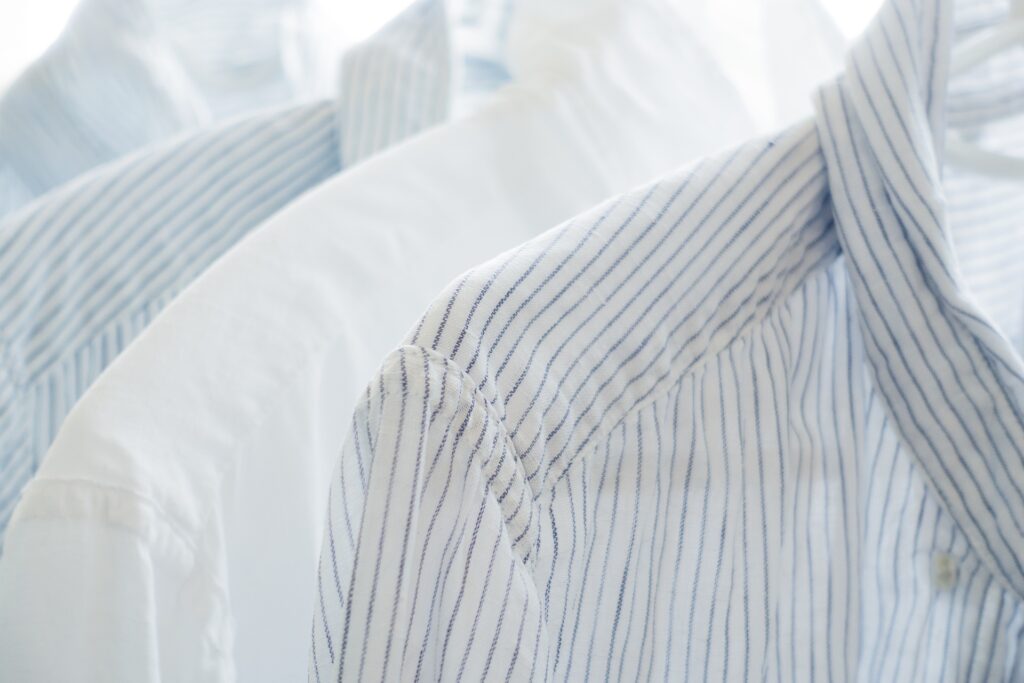
Eco-friendly fashion, also known as sustainable fashion, is a movement towards clothing produced with minimal environmental impact. This includes using sustainable materials, reducing waste, and promoting ethical labor practices. Eco-friendly fashion aims to minimize the harmful effects of the fashion industry on the environment while still providing stylish and trendy clothing options.
Why is Eco-Friendly Fashion Becoming Popular?
Eco-friendly fashion is becoming popular for several reasons, including:
- Consumers are becoming more environmentally conscious, and as a result, they are demanding more sustainable products. They want to reduce their carbon footprint and support companies that share their values.
- The negative impacts of the fashion industry are becoming more widely known.
- Consumers are starting to realize the effects of fast fashion on the environment and are looking for alternatives.
- Celebrities and influencers promote eco-friendly fashion, helping make it more mainstream and accessible.
What Are the Benefits of Eco-Friendly Fashion?
Eco-friendly fashion has several benefits for both consumers and the environment. Here are the top five benefits of eco-friendly fashion:
Reducing Environmental Impact
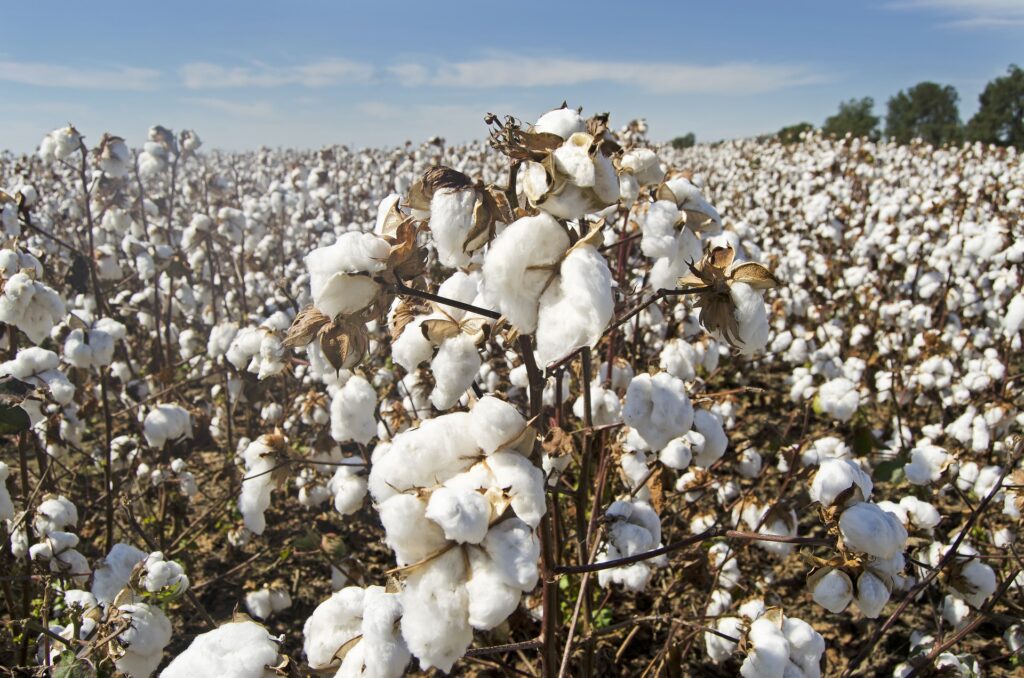
Conventional fashion production relies heavily on synthetic materials like nylon, polyester, and acrylic, which are derived from fossil fuels and are not biodegradable. Additionally, the manufacturing process of these materials involves using toxic chemicals harmful to both humans and the environment. Eco-friendly fashion, on the other hand, uses sustainable materials grown without harmful chemicals and are biodegradable, thus reducing the fashion industry’s environmental impact. Overall, eco-friendly fashion helps to preserve natural resources and reduce waste, pollution, and carbon emissions.
Supporting Ethical and Socially Responsible Practices
Eco-friendly fashion promotes fair trade and ethical labor practices. Workers who produce eco-friendly clothing and accessories are treated fairly and paid a living wage. Moreover, eco-friendly fashion supports local communities by sourcing materials from local farmers and artisans. This helps to build sustainable and equitable economies.
Durability and Quality
Eco-friendly fashion emphasizes quality over quantity. The materials used in eco-friendly fashion are of higher quality and are designed to last longer than fast fashion. This means that eco-friendly clothing and accessories are more durable and will not need to be replaced as frequently. Thus, eco-friendly fashion reduces waste and saves money in the long run.
Unique Style and Design
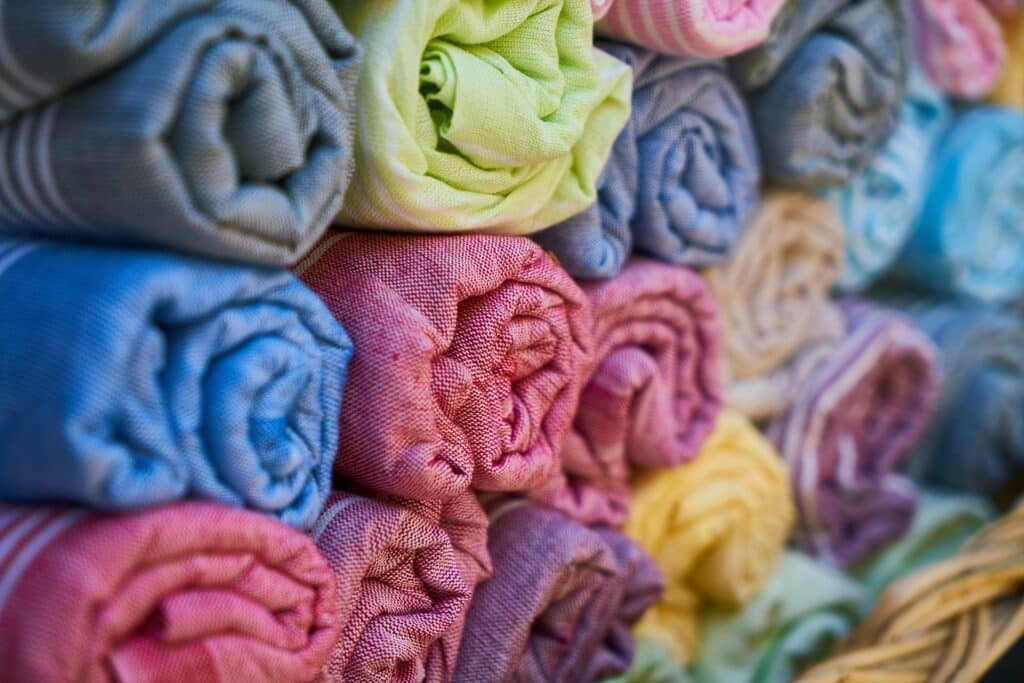
Eco-friendly designers use innovative materials and techniques to create sustainable clothing and accessories. As a result, eco-friendly fashion offers a variety of unique and stylish options for environmentally responsible consumers. One such option is batik clothing, which combines traditional dyeing techniques with sustainable practices to produce beautiful and eco-friendly garments.
Positive Impact on Health
Eco-friendly fashion can have a positive impact on our health. Conventional fashion often uses synthetic materials that irritate the skin and can cause allergies and other health issues. Eco-friendly materials such as organic cotton and bamboo are hypoallergenic and do not contain harmful chemicals, making them healthier for consumers.
What are some Examples of Eco-Friendly Fashion?
Several examples of eco-friendly fashion exist. One of the most popular materials used in eco-friendly fashion is organic cotton. Organic cotton is grown without pesticides and fertilizers, making it more sustainable than traditional cotton. Other sustainable materials used in eco-friendly fashion include bamboo, hemp, linen, and recycled fabrics.

How Can Consumers Support Eco-Friendly Fashion?
Consumers can support eco-friendly fashion in various ways, including:
- Making conscious purchasing decisions, like buying clothing made from sustainable materials.
- Supporting eco-friendly fashion by shopping from brands that promote ethical labor practices and are committed to sustainability.
- Reducing their clothing consumption by buying less and focusing on quality over quantity.
Eco-friendly fashion is on the rise, and for good reason. It provides an opportunity to reduce waste, promote ethical labor practices, and express personal style while being environmentally conscious. By supporting eco-friendly fashion, consumers can positively impact the environment and the fashion industry as a whole.


