
In our hyper-connected world, the allure of going off the grid has grown stronger. Many individuals seek a self-sustained lifestyle that allows them to disconnect from modern technologies and reconnect with nature. Going off the grid can provide a sense of freedom and independence, but it also requires careful planning and preparation.
If you are considering transitioning to living off-grid, this step-by-step guide will help you embark on this exciting journey.
Assess Your Needs and Goals
Before diving into off-grid living, evaluating your needs and goals is crucial. Determine the level of self-sufficiency you desire and identify the reasons behind your decision. Are you seeking a quieter, more sustainable lifestyle? Do you want to reduce your carbon footprint? Understanding your motivations will guide your choices throughout the process.
Location

Choosing the right location is vital when going off the grid. Consider factors such as climate, access to resources, and legal considerations. Look for areas with ample sunlight for solar energy, reliable water sources, and suitable land for growing food. Additionally, research local zoning laws and building codes to ensure compliance with regulations and avoid potential setbacks.
Energy Independence

Generating your own power is a cornerstone of off-grid living. Solar panels are a popular and eco-friendly option for harnessing renewable energy. Install an adequate solar array to meet your energy needs, considering factors like sunlight availability, power consumption, and battery storage. Invest in energy-efficient appliances and LED lighting throughout your off-grid home to maximize efficiency.
Sustainable Water Sources
Access to clean water is essential for off-grid living. Evaluate your options for obtaining and preserving water sustainably. Rainwater harvesting offers an excellent solution by collecting and storing rainwater for future everyday use. Install gutters, downspouts, and storage tanks to capture rainwater from the roof. Use filtration systems to ensure the water is safe for drinking, cooking, and irrigation. By maximizing rainwater usage, you can reduce reliance on external water sources.
Food Production
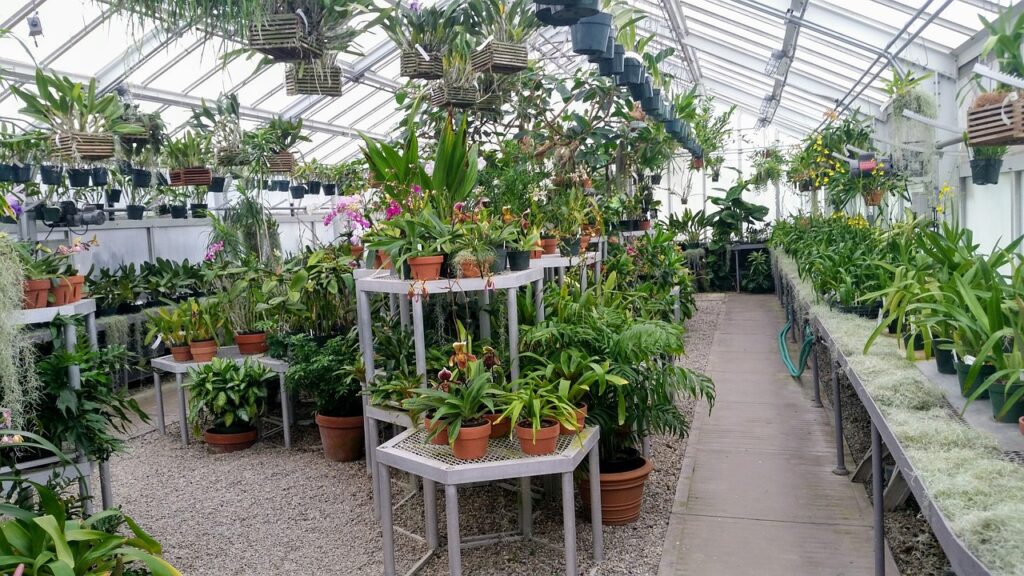
One of the fundamental aspects of off-the-grid living is cultivating your own food. Growing your food is rewarding and ensures a steady supply of fresh produce. Start by creating a garden layout suited to your climate and available space. Incorporate raised beds, vertical gardening, and permaculture principles to maximize yields. You could grow vegetables and herbs or create a permaculture system to produce various crops. Focus on native or climate-appropriate plants to minimize water and maintenance requirements.
Incorporating composting and organic practices to enrich the soil naturally and reduce reliance on synthetic fertilizers will promote a healthy and sustainable garden. Consider raising chickens or small livestock for eggs, milk, or meat if allowed in your area.
Food Preservation
Preserving food allows you to enjoy homegrown produce throughout the year. Explore different food preservation methods such as canning, fermenting, dehydrating, and freezing. Invest in reliable food storage solutions, such as root cellars or coolers, to extend the shelf life of your harvest. Preserving excess produce can also be a valuable asset for bartering or sharing with your community.
Waste Management
Off-grid living emphasizes sustainability, and effective waste management is crucial. Implement a system for recycling, reusing, and composting to minimize waste. Designate separate areas for different types of garbage and educate yourself on appropriate disposal methods for non-recyclable items. Composting toilets or greywater systems can reduce water usage and promote ecological balance.
Essential Skills and Preparedness
Living off the grid requires essential skills to ensure self-sufficiency and resilience. Learn basic carpentry, plumbing, and electrical skills to maintain your off-grid infrastructure. Familiarize yourself with sustainable practices like seed-saving, food preservation, and natural remedies. Emergency preparedness knowledge is also essential, including first aid, fire safety, and self-defense techniques.
Building a Resilient Infrastructure

Constructing a sustainable shelter is a vital part of off-the-grid living. Consider using locally sourced, eco-friendly materials to minimize your ecological footprint. Optimize insulation to regulate indoor temperatures, reducing the need for excessive heating or cooling. Incorporate passive solar design principles to maximize natural light and reduce energy consumption. Additionally, explore alternative building techniques such as cob or straw bale construction for a more sustainable home.
Establishing Backup Systems
Living off the grid requires planning for unforeseen circumstances. Install backup systems to ensure resilience in case of power outages or equipment.
Community and Support
While off-grid living often involves solitude, connecting with like-minded individuals can offer valuable support and shared knowledge. Join online forums, attend workshops, or seek out local off-grid communities to learn from their experiences and build a support network. Engaging with others who share your lifestyle choices can be invaluable in overcoming challenges and staying motivated.
Embarking on an off-grid lifestyle is a transformative journey that offers a chance to reconnect with nature, reduce environmental impact, gain greater self-reliance, and create a sustainable life away from the hustle and bustle of city living.


