
Doctors must monitor blood sodium levels closely because severe imbalances or overly rapid correction can cause brain swelling, seizures, permanent brain damage, or death. Timely diagnosis and careful treatment help prevent these complications.
Sodium regulates water balance in the body. When blood sodium drops too low, water can enter brain cells and cause swelling, leading to headaches, confusion, memory problems and, in severe cases, lasting neurological damage. Severely low sodium levels can affect brain function, making low sodium and memory loss an important concern when patients develop confusion or memory problems during hospital care.
However, treating low sodium also requires caution. If sodium levels rise too quickly, nerve cells can become damaged, potentially causing osmotic demyelination syndrome. Regular blood tests and carefully controlled treatment help reduce these risks. When doctors fail to monitor sodium levels or manage their correction properly, patients may suffer preventable harm.
How Failure to Monitor Sodium Can Cause Brain Injury
When sodium levels fall, water can enter brain cells and cause swelling. The skull cannot expand to make space for that swelling, so pressure can rise and interfere with normal brain function. Severe cases can lead to seizures, loss of consciousness, or permanent injury.
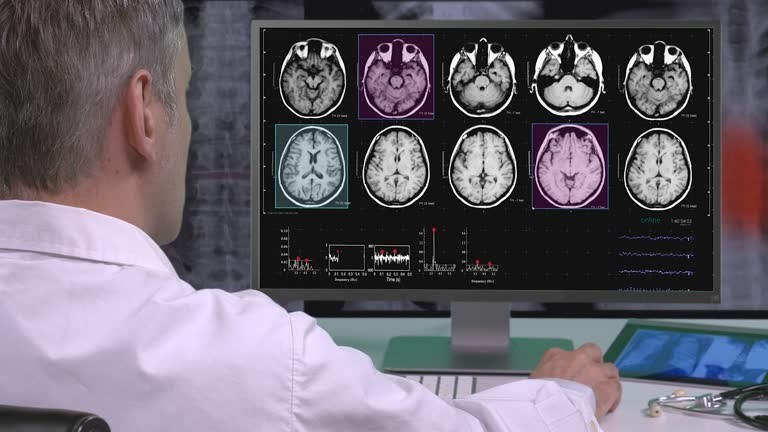
There is another risk during treatment. If doctors raise sodium too quickly, water shifts can damage the protective covering around nerve cells. This may cause osmotic demyelination syndrome, which can lead to difficulty speaking, swallowing, walking, or moving normally.
Safe treatment requires more than ordering one blood test. Doctors must track sodium levels over time, consider the cause of the problem, and adjust treatment based on how the patient responds. Because the safe rate of correction depends on the patient, recommendations from European and American societies generally limit the rise to roughly 6 to 8 mmol/L over 24 hours, with the lower part of that range applied to patients at higher risk of neurological complications.

What Are the Long-Term Effects of Sodium-Related Brain Injury?
The effects depend on how severe the injury was and which parts of the brain were affected. Some patients recover well after prompt treatment. Others experience lasting problems.
Possible complications include:
- Memory loss and difficulty concentrating
- Problems with balance, walking, or coordination
- Muscle weakness and speech difficulties
- Trouble swallowing or performing everyday tasks
- Long-term disability following severe neurological injury.
Can Failure to Monitor Sodium Levels Be Medical Negligence?
A failure to monitor sodium levels may amount to medical negligence when a healthcare professional does not meet the accepted standard of care and that failure results in harm to the patient. However, a complication alone does not establish negligence; the evidence must show that the provider’s actions or omissions contributed to the injury.
In the United States, medical malpractice claims generally depend on four elements:
- Duty of care: The healthcare professional had a responsibility to treat the patient appropriately.
- Breach of duty: The professional failed to meet the required standard of care.
- Causation: The failure contributed to the patient’s brain injury.
- Damages: The patient suffered measurable harm, such as disability, medical expenses, or lost income.
The exact legal rules vary by state. For example, California’s medical malpractice framework includes California Civil Code § 3333.2, which addresses limits on certain non-economic damages in professional negligence actions. It does not establish a specific sodium-monitoring requirement.
Evidence of possible negligence may include missed blood tests, delayed responses to abnormal results, inadequate treatment records, or sodium correction that exceeded appropriate safety limits without proper clinical justification. Medical records and expert review help determine whether the care fell below accepted standards.

Key Takeaways
- Low sodium can cause brain swelling: Severe hyponatremia may lead to confusion, seizures, loss of consciousness, and permanent brain damage.
- Missed warning signs can increase risk: Doctors should investigate new confusion, headaches, unusual sleepiness, and seizures promptly.
- Sodium correction must be carefully controlled: Raising sodium too quickly can cause osmotic demyelination syndrome, which may result in lasting neurological problems.
- Regular blood tests help prevent complications: Monitoring sodium levels during treatment allows doctors to identify dangerous changes and adjust care.
- Medical negligence depends on the standard of care: Missed tests, delayed treatment, or unsafe sodium correction may indicate negligence if they cause preventable brain injury.

