
There are approximately 80,000 medical malpractice cases reported in the United States. These cases have devastating effects on patients and their families. Medical negligence happens when healthcare professionals fail to provide the expected care, leading to harm or injury. The failure to diagnose a condition or incorrectly diagnosing a condition also falls under medical negligence.
Understanding the various forms of medical negligence is crucial for safeguarding your rights and promoting your well-being. Hiring a medical malpractice attorney is important to navigate the complex legal processes of filing a claim. In this article, we will explore the different forms of medical negligence and the consequences victims can face.
Misdiagnosis and Delayed Diagnosis
Misdiagnosis is when a doctor incorrectly identifies a patient’s condition. A delayed diagnosis is a significant delay in determining the correct illness. These mistakes can have severe consequences, as timely diagnosis is necessary for effective treatment.
For instance, a patient with cancer might receive a false diagnosis for a benign condition, missing the chance for early intervention. Similarly, a delayed diagnosis can lead to the worsening of a treatable condition, causing unnecessary pain and complications.
Surgical Errors
These errors include a range of mistakes that occur during surgery, some of which are preventable. The country has had cases of surgeons operating on the wrong body part or patient. In other extreme cases, patients’ bodies contained surgical instruments, which resulted in severe infections and complications.
Even minor errors like poor suturing can lead to health issues and require corrective surgery to heal properly. Surgical errors can cause physical and emotional trauma for patients, underscoring the importance of following safety protocols during surgery preparation.

Medication Errors
Medication errors include giving a patient the wrong medication, incorrect dosage, or incorrect prescription. Wrong medication, like prescribing a drug to someone who is allergic, can lead to adverse reactions, complications, and sometimes even death.
Medication errors can happen when a nurse is dispensing medicine and ends up giving the wrong pill or dose. The risk of medication errors shows the importance of keeping accurate and well-organized records to prevent life-threatening mistakes.
Anesthesia Mistakes
Anesthesia is a vital part of medical procedures. However, it comes with the burden of administering the correct dosage and constant monitoring during surgery.
Anesthesia errors include:
- Overdosing on anesthesia could put the patient in a coma or result in brain damage.
- The patient wakes up in the middle of surgery due to the administration of too little anesthesia.
- Failure to monitor a patient’s vital signs can lead to severe complications like heart failure or cardiac arrest.
Since anesthesia errors are severe, victims require immediate and sometimes long-term care.
Birth Injuries
These injuries occur when negligence happens during childbirth, affecting either the parent or the newborn. Birth injuries are often a result of medical errors or failure to respond well to complications during labor and delivery.
For instance, the improper use of delivery tools like vacuum extractors can harm the baby. It could also lead to lifelong conditions like cerebral palsy or broken bones. Failure to monitor the baby may lead to oxygen deprivation, causing brain damage.
Birth injuries also impact the mother, as negligence, such as failing to notice postpartum hemorrhage, can lead to lifelong consequences or even fatalities. The emotional toll of birth injuries is significant since the life of more than one person is at risk.
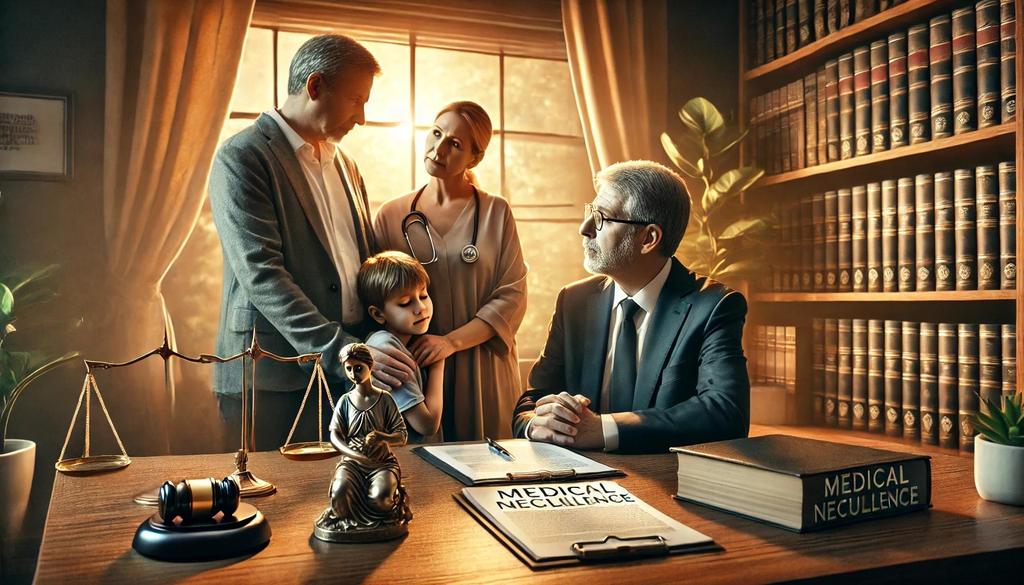
How to Protect Yourself from Medical Negligence: Seek Expert Advice and Legal Guidance
Knowledge of medical negligence types is essential for your health. Informing patients about misdiagnosis, surgical errors, medication mistakes, and birth injuries empowers them to effectively advocate for their rights. Vigilance is key—always seek a second opinion if something doesn’t seem right or if you feel you are not receiving the care you deserve.
In the unfortunate event of experiencing medical negligence, it is imperative to seek guidance from a qualified medical malpractice attorney. These professionals can help navigate the complex legal landscape and provide the necessary support to hold healthcare providers and institutions accountable. They can assist in building a strong case, ensuring that victims of negligence receive the justice and compensation they deserve. By staying informed and proactive, patients can significantly reduce the risks of medical errors and safeguard their health rights effectively.

