
Plastic, the versatile man-made material, has gotten a bad rep (or should I say bad wrap) in recent years for environmental damage, filling landfills with waste that can take centuries to break down and polluting soil, water, and air. The UN Environment Programme reports that annual global plastic production has doubled since 2000 and is forecast to triple by 2060, which makes careful material planning more important than ever. Be that as it may, things have started moving in the right direction, and aside from sustainable practices becoming popular, we also have to thank solutions like a plastic sheet cut to size tailored to your needs.
Several factors are driving the increase in sales of these sheets. The wide variety of materials, ranging from acrylic and ABS to polypropylene and polycarbonate, plus the precise cuts, the ease of customisation with minimal hassle, and the advantageous properties like light weight, durability and flexibility in how you choose to use them. When plastic sheets are cut to size, the real saving comes from buying only the area you need rather than full panels.
Find reliable plastic suppliers specialising in CNC and laser cutting services, and you can get the exact plastic item, in type, material, size, and shape you require for your business, manufacturing, engineering, agriculture, retailer or hobbyist needs. The added benefit?
Having the chance to acquire plastic made to your measurements means you can minimise the leftover material, cutting down on waste, so it’s a sustainable and eco-friendly solution as well. That principle sits at the heart of the wider circular economy in the plastic sector, where keeping materials in use for longer cuts both waste and cost.
Not to mention, being able to get the exact amount of material you require is cost-effective.
Still, with so many choices, how can you make the most of this?
Start Off the Plastic Sheet Project Shopping with the Material
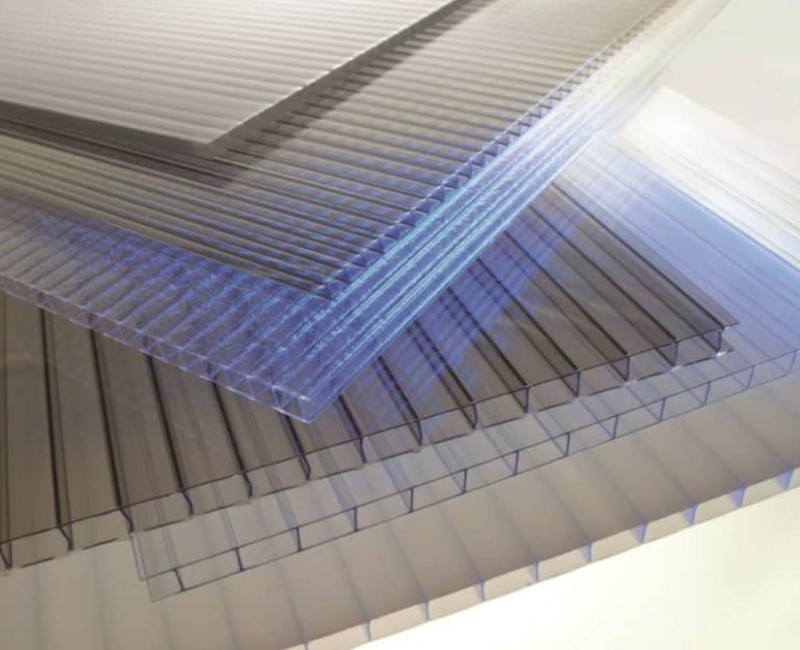
Not every project is the same, hence the availability of different materials for a plastic sheet cut to size. While the plastic cutting can be customised for your needs, this doesn’t mean every type of material can be suitable. Keeping in mind that the plastic itself can be a factor that can make or break your project, it’s essential to look into the options. Indoor or outdoor use, small or large applications, it all weighs in on the final decision.
Two of the most sought-after choices are acrylic and polycarbonate. The first type is an aesthetic one, famous for the clear and glossy look, whereas the latter is known for its strength and durability properties. As such, acrylic cut to size is great for creating various items and solutions, from glazing, displays and wall panels to AC window sealing and decorations, whereas polycarbonate is more impact-resistant. It’s notable for its strength, much stronger than glass, thus serving for safety gear, machinery guards, and other protective barriers.
Then we have ABS plastic sheet with the ease of thermoforming, making it a suitable choice for creating prototypes, durable parts, protective covers, signage and advertising plastic panels. The tough yet lightweight polypropylene sheet is a great option for stationery folders, protective packaging, food prep surfaces and even prosthetics manufacturing.
Move On to Considering Plastic Sheet Thickness
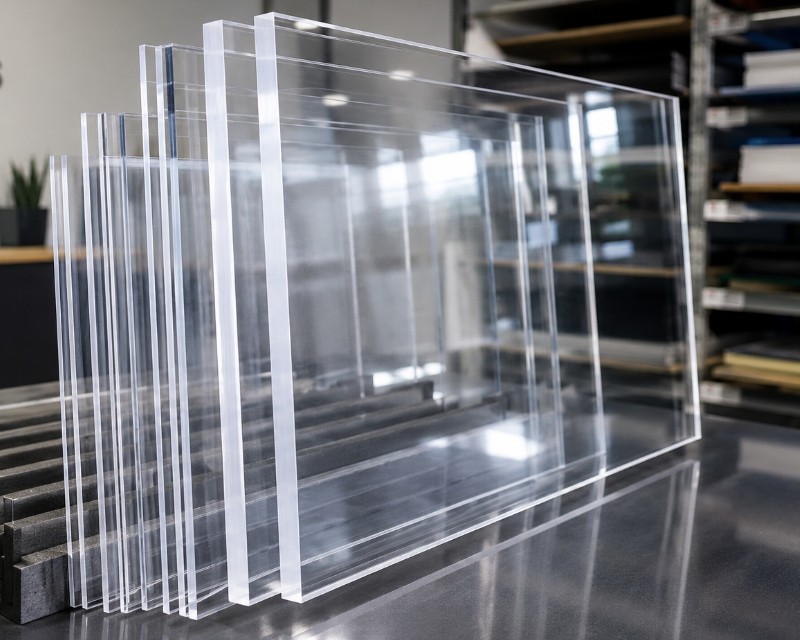
It may not always come out as one of the most crucial properties you look into. However, thickness can directly impact your project, as it has a say in both strength and flexibility. Just because you’ve chosen the right plastic material for the task doesn’t mean you have what it takes to get the results you need; the thickness is directly related to the purpose.
An application without any particular load or stress can do with a thinner plastic sheet, as opposed to a more demanding application where a thicker alternative is the answer. In general, thinner is the go-to choice for lightweight use, whereas thicker is ideal for use where rigidity and durability are a must.
While we’re at thickness, it’s important to point out that the thicker the sheet is, the bigger the weight is going to be, so don’t forget to add this to your list of considerations too because it can affect the final result. Material and thickness are additional aspects that can give you a hint on whether the sheets are suitable for customisations like engraving.
Double-check the Measurements
Utilising techniques like laser cutting and CNC machining gives you a clean cut and precise measurements for the sheets you can use in your projects – but here’s the catch: get the length or width wrong, and you don’t get the cut-to-size plastic made to your specific measurements.
This is why it’s so important to be sure of the numbers before you place the order if you want to avoid seeing money down the drain, unnecessary waste and a waste of time. Be sure to also consider the shape, and check whether the plastic product suppliers offer the intricate shape cutting service too.
Don’t Forget the Supplier’s Specs
While we’re at suppliers, it’s just as helpful to know beforehand if your chosen company for the plastic cutting states cutting tolerances depending on plastic material and type of cutting technique, so you know what you can expect.
This should be listed along with basic information on technicalities, materials available in their range, sizes, thicknesses, colours, customisation options and installations (e.g., think adhesives, clips, and hardware) so you get a clear picture prior to shopping on the suitability for your applications. If you can’t find this on their website, it’s advisable to ask them before making the purchase.
Define the Finish and the Edges
Not all finishes are the same – some are glossy with a sleek appearance, others are matte to hide fingerprints, some are clear for high transparency, others are frosted or tinted for a certain level of privacy. Which sounds like the right one for your projects? Consider the properties, the benefits, and whether or not you prefer a textured aesthetic that stands out.
Last but not least, it’s just as essential to check in with the supplier to be sure of what you can also expect in terms of edges. Much like the finish, this property plays a role in the look and feel of the project, especially if it’s one with decorative purpose. Polished, bevelled, sawn – you should know what you’re going to get.


