
Smart-home technology has expanded well beyond thermostats, security cameras, and voice assistants. Homeowners can now automate many everyday features, including lighting, heating, security, and even window coverings.
Smart window treatments offer a practical way to control sunlight and privacy while adding another layer of convenience to a connected home. Instead of manually adjusting every window, homeowners can use scheduled settings, remote controls, or integrated smart-home systems to manage blinds throughout the day.
For households interested in automation, this can be more than a novelty. It can become a useful part of everyday home management.
What Makes a Blind “Smart”?
A smart blind is essentially a window covering that can be controlled electronically.
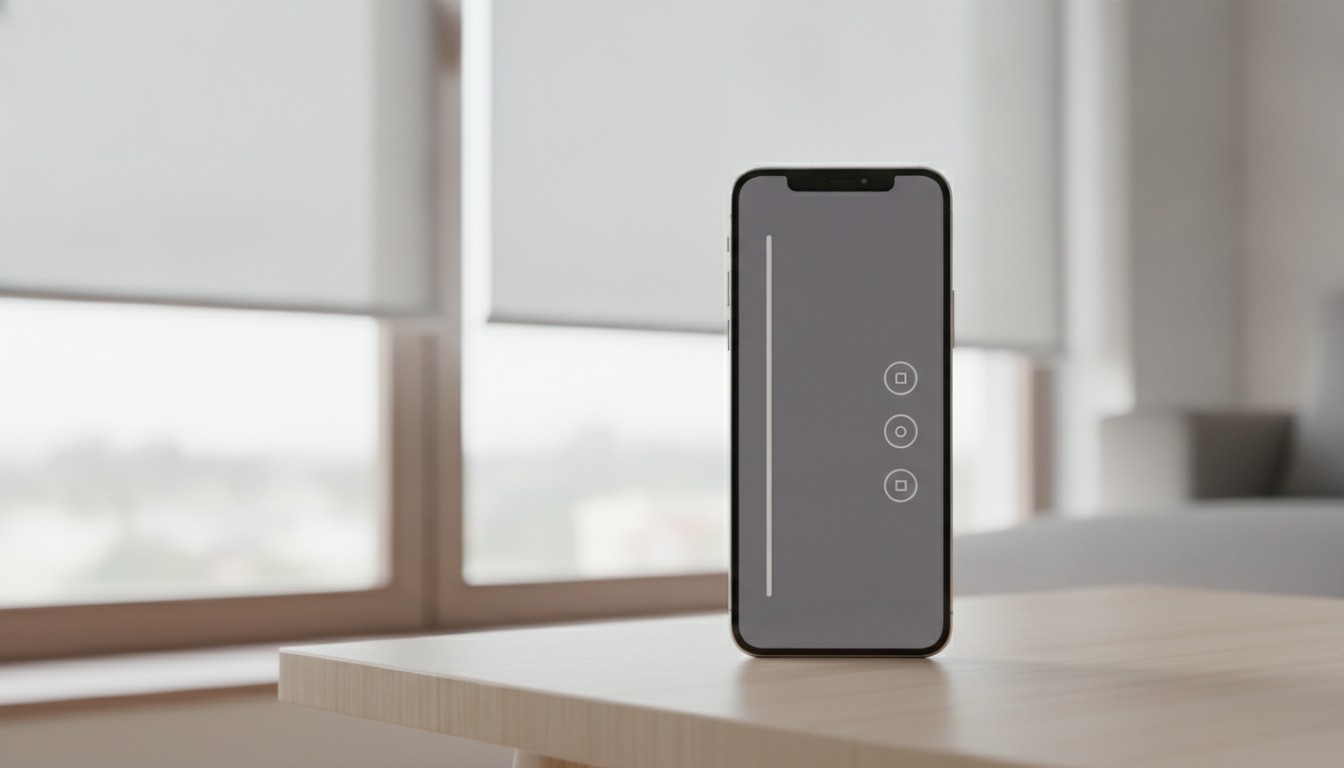
Depending on the system, users may be able to operate the blinds through a remote control, smartphone application, wall-mounted switch, or smart-home platform.
Some systems also support scheduling.
For example, blinds can be programmed to open in the morning and close later in the afternoon when sunlight becomes stronger. This can reduce the need to manually adjust every window.
Convenience Is One of the Main Benefits
Traditional blinds work perfectly well for many homes, but larger properties can have dozens of windows.
Manually opening and closing every blind can become inconvenient, particularly when windows are located in difficult-to-reach areas.
Modern smart blinds can make this process considerably easier.
A homeowner may be able to control multiple window coverings simultaneously or adjust individual rooms from a central interface.
For people with mobility limitations, automation can also make window management more accessible.
Automated Light Control
Natural light changes throughout the day.
Morning sunlight may be welcome in a kitchen or living room, while intense afternoon sunlight can create glare or make a room uncomfortably warm.
Smart window coverings can respond to these changes through scheduled routines.
A household could create one setting for weekdays and another for weekends. Some systems can also be integrated with sensors that respond to light levels or other environmental conditions.
The objective is not necessarily to block sunlight all day. Instead, automation allows homeowners to manage daylight according to their routines.
Smart Blinds and Energy Management
Windows influence indoor temperatures because sunlight can add heat to a room, while glass surfaces can also affect heat loss during colder weather.
Automated blinds may help homeowners manage these conditions by adjusting coverings at appropriate times.
According to the U.S. Department of Energy, installing window attachments such as shades and blinds can reduce a household’s annual heating and cooling energy use by around 15% compared with conventional vinyl blinds.
For example, blinds can be closed during periods of strong summer sunlight to reduce direct solar exposure. During cooler periods, opening blinds when sunlight is useful can allow natural warmth into the room.
The actual energy impact depends on the window, blind material, building construction, weather, and automation strategy.
Smart blinds should therefore be considered a supporting technology rather than a complete energy solution.
Privacy Can Be Automated Too
Privacy is another area where automation can be useful.
Ground-floor windows and bedrooms may require more privacy during evening hours. Instead of manually adjusting blinds each night, homeowners can create routines that close them automatically at a chosen time.
This can also be useful for homes located near busy streets or neighbouring properties.
Automated privacy settings provide consistency without requiring residents to remember to adjust them every day.
Smart Technology Works Best When It Is Simple
One of the risks with smart-home technology is unnecessary complexity.
A system that requires multiple applications, complicated controls, or frequent troubleshooting may become frustrating.
When selecting smart window treatments, homeowners should consider compatibility with their existing devices and platforms.
Simple controls are often more useful than adding features that will rarely be used.
The goal should be convenience, not technology for its own sake.
Traditional Style Can Still Work With Smart Features
Automation does not mean homeowners have to sacrifice interior design.
Smart mechanisms can be incorporated into different types of window coverings, allowing the visible design to remain consistent with the room.
This means a homeowner can choose a window treatment based on colour, material, light control, and overall appearance while adding motorized functionality behind the scenes.
Technology can therefore support the design rather than dominate it.
Large Windows Benefit From Automation
Large glass walls and oversized windows can create beautiful interiors, but manually operating their coverings can be difficult.
Motorized systems are particularly practical in these situations because several blinds can be controlled together.
This can also improve consistency. Instead of having some blinds partially open and others fully closed, a centralized system can adjust them at the same time.
For modern homes with extensive glazing, that can make a noticeable difference to daily convenience.
What to Consider Before Installation
Homeowners considering smart window treatments should think about:
- Number and size of windows
- Available power options
- Battery or wired operation
- Existing smart-home systems
- Remote-control requirements
- Scheduling features
- Privacy needs
- Maintenance
- Installation requirements
Not every window necessarily needs a motorized system.
Some homeowners may prefer smart controls in bedrooms and living areas while keeping simpler manual blinds elsewhere.
Smart Homes Are Becoming More Responsive
The broader trend in home technology is toward systems that respond to routines rather than requiring constant manual control.
Smart blinds fit naturally into this idea.
When connected with lighting, climate control, and other home systems, window treatments can become part of a more coordinated indoor environment.
For homeowners exploring blinds in Toronto, the choice is therefore no longer limited to colour and material. Automation, accessibility, convenience, and integration can also be considered.

The Future of Window Coverings
Window blinds have traditionally been simple mechanical products. Technology is gradually changing that.
Motorization, scheduling, remote access, sensors, and smart-home integration are giving homeowners more control over how their interiors respond to changing light and daily routines.
The most useful systems will likely be those that make everyday life easier without making the technology difficult to manage.
Smart window treatments are ultimately not about adding another gadget to the home. They are about giving people more control over light, privacy, comfort, and the way their living spaces function throughout the day.


