
In most places, winter features are a bonus. In Alaska, they decide whether a house is pleasant to live in or a constant source of stress from October to April.
The challenge for buyers is that winter readiness is hard to see during a showing, especially one in July. A sunny summer tour won’t tell you about frozen pipes, ice dams, or a garage that’s too cold to start the car.
This guide sorts winter features into three tiers: the essentials, the upgrades that pay off, and the smart extras that make winter living easier.
Tier 1: The Essentials
These are the features that matter most. If a home falls short here, it should be a major factor in your decision.
A reliable, well-maintained heating system
Everything starts with heat. Many Alaska homes use natural gas furnaces or hot water boiler systems. Ask about the system’s age, its service history, and whether it heats every room evenly.
Ask too for heating bills from a full winter. They tell you more about the home’s efficiency than any listing description.
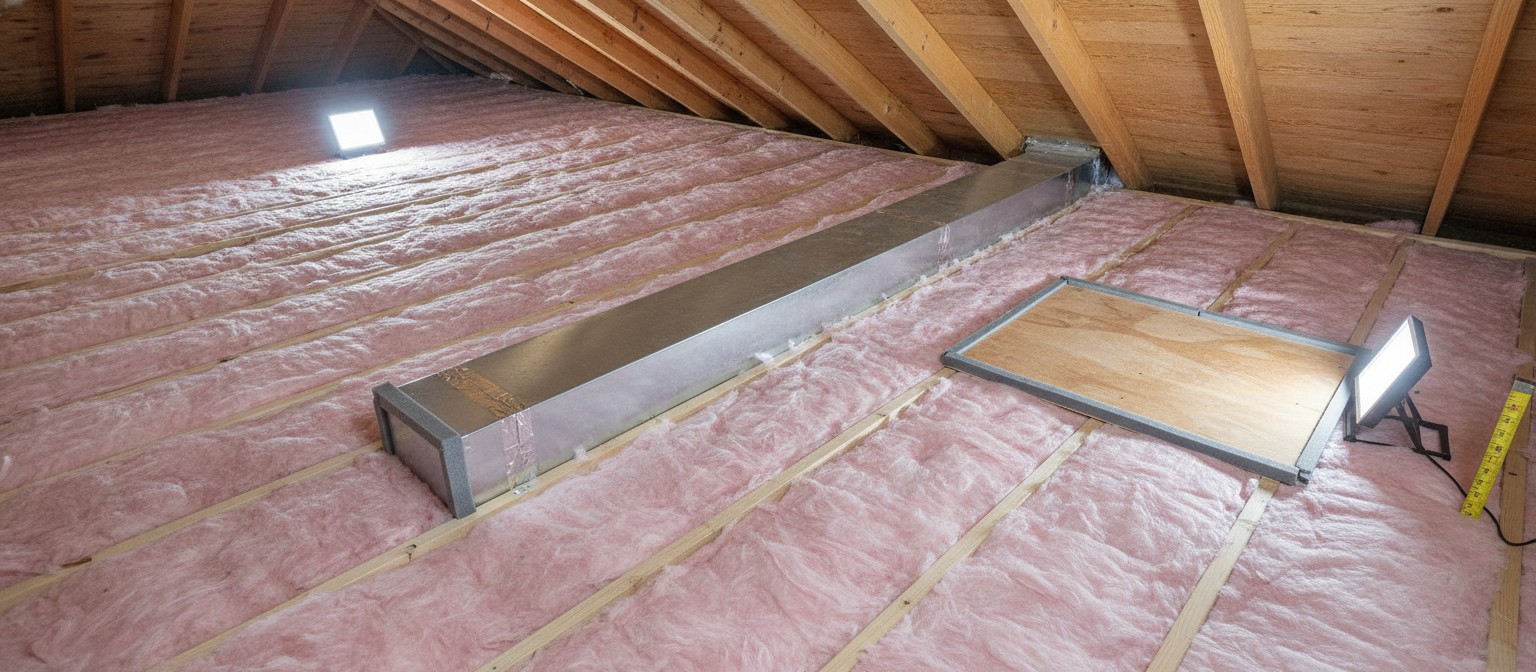
Good insulation and air sealing
A well-insulated home holds heat, costs less to run, and feels more comfortable. Look at the attic, walls, and crawlspace or basement. Drafts near windows and doors are a warning sign. The EPA’s ENERGY STAR program explains how air sealing and insulation work together to reduce heat loss and ice dams.
Quality windows
Multi-pane windows with good seals make a real difference in cold climates. Fogging between panes or frost on the inside of the glass can signal failing seals or high indoor humidity.
A roof built for snow
Snow load matters. Ask about the roof’s age and condition, and look for signs of ice dams, such as water stains on ceilings near exterior walls. A roof that sheds snow onto the entry or driveway creates its own problems.
Protected plumbing
Pipes in exterior walls, crawlspaces, or unheated areas are at risk of freezing. Ask whether pipes have ever frozen and how they’re protected.
Tier 2: Upgrades That Pay Off
These features aren’t strictly necessary, but they make a noticeable difference to daily life.
An attached, heated garage
A heated garage means a warm car, no scraping ice, and a place to store gear without it freezing. It’s one of the most valued features among Alaska homeowners.
An arctic entry
An arctic entry is a small enclosed space between the front door and the main living area. It keeps cold air out when the door opens, and gives you somewhere to leave snowy boots and coats.
Radiant floor heating
Radiant heat in floors provides steady, even warmth. It’s especially comfortable in bathrooms, entries, and basements.
A heated driveway or walkway
On steep lots, a heated driveway can turn a dangerous winter slope into a safe one. Heated walkways keep entries clear without constant shoveling and salting.
Balanced ventilation
Tightly sealed homes need fresh air. Heat recovery ventilators bring in outdoor air while keeping much of the heat inside. They also help control indoor humidity, which reduces condensation on windows.
Tier 3: Smart Extras for Winter Living
Smart home technology fits naturally with cold climate living. These features help you monitor and manage a home through the winter.
Smart thermostats
A smart thermostat lets you schedule heating and adjust it remotely. If you travel in winter, you can keep the house at a safe temperature and warm it up before you return.
Freeze and leak sensors
Small sensors placed near pipes, water heaters, and appliances can alert your phone if temperatures drop too low or water appears. Catching a problem early can prevent serious damage.
Backup power
Winter storms can bring power outages. A backup generator, or at least a plan to keep the heating system running, adds peace of mind. Some homeowners also keep a secondary heat source, such as a wood or pellet stove.
Lighting for dark months
Short winter days mean more time under artificial light. Smart lighting with adjustable brightness and color temperature can make interiors feel brighter and more comfortable through the season.
Outlets for block heaters and EVs
Exterior outlets near parking areas let you plug in engine block heaters on cold mornings. If you drive or plan to drive an electric vehicle, a garage charging setup is worth considering.
How to Check a Home’s Winter Readiness
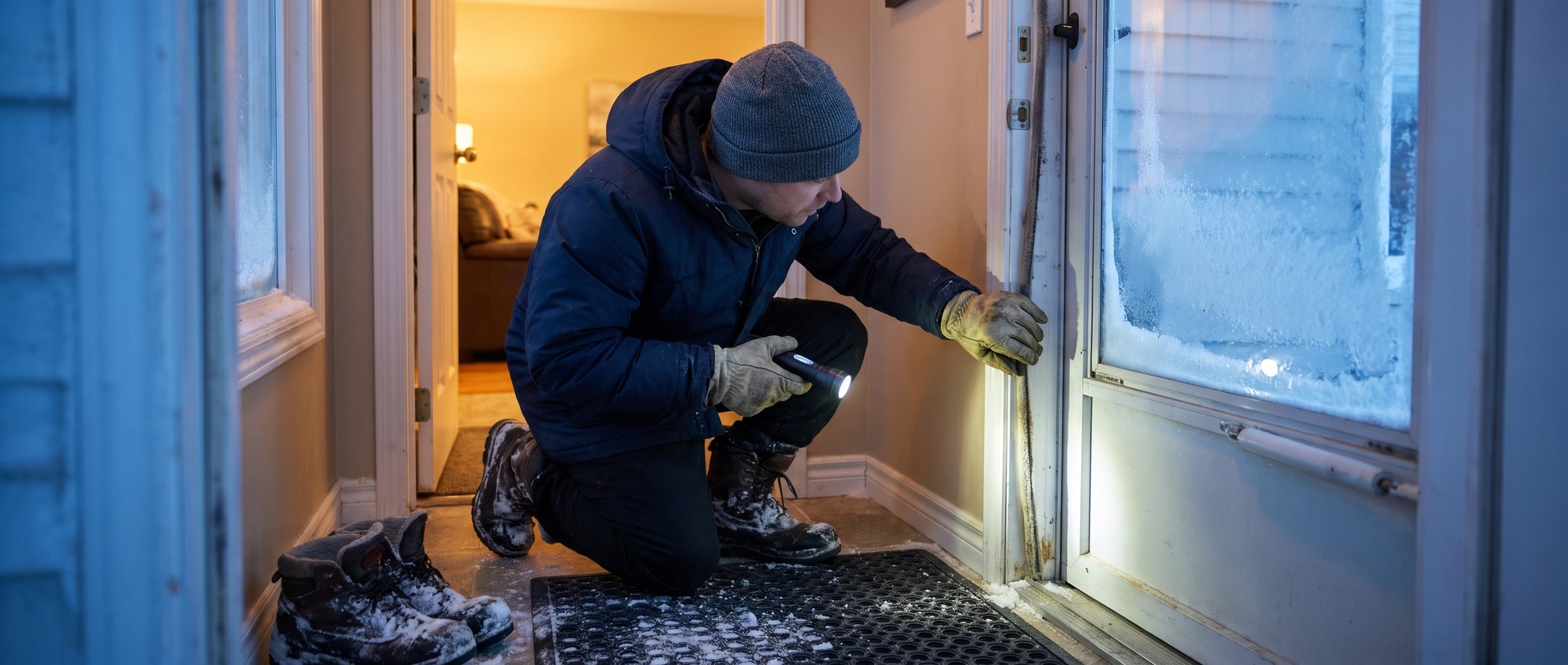
Because many of these features are hard to judge at a glance, careful questions matter. Ask the sellers about winter heating costs, any frozen pipe history, and how the roof and driveway behave after a heavy snowfall. A pre-purchase thermal imaging scan can also expose hidden heat loss that a normal inspection misses.
Local experience helps here too. An Alaska realtor who has seen many homes through many winters can often spot weak points quickly, like a north-facing driveway that stays icy or an entry that funnels cold air into the house.
A short checklist for showings
- Feel for drafts around windows and doors.
- Look for water stains near exterior ceilings.
- Check the garage temperature and insulation.
- Ask for a full winter of utility bills.
- Look at how snow would be cleared and where it would go.
- Have an inspector check the heating system and roof.
Frequently Asked Questions
What is the most important winter feature in an Alaska home?
A reliable, efficient heating system. Everything else builds on that.
What is an arctic entry?
It’s an enclosed space between the outside door and the main house. It reduces heat loss and gives you a place to remove snowy clothing.
Are smart thermostats useful in cold climates?
Yes. They help manage heating schedules and let you monitor the home remotely, which is especially useful if you travel in winter.
Is a heated driveway worth it?
On steep or shaded lots, many homeowners find it valuable for safety and convenience. On flat, sunny lots, it may matter less.
Buying for the Coldest Day
The best way to judge a home in Alaska is to imagine it on the coldest, darkest day of the year. If it stays warm, dry, and easy to get in and out of, it’s ready for winter. Start with the essentials, then add the upgrades and smart features that suit your lifestyle.

