
Preparing for a career in the clean energy workforce requires understanding available jobs, developing relevant technical skills, and choosing training that matches your goals. Opportunities exist in renewable energy installation, equipment maintenance, engineering, and technology support, with different educational requirements for each occupation.
A construction worker looking for a new specialty might already have skills that clean energy employers need. Someone with an IT background could also find opportunities supporting energy management systems. Understanding how your experience fits into the industry can make your next career move much easier.
The US Bureau of Labor Statistics expects that demand for solar photovoltaic installers will grow 42.1% by 2034, and for wind turbine service technicians by 49.9%, making them the two fastest-growing occupations of the decade, according to Bureau of Labor Statistics projections. With that expansion comes a need for workers who can install, maintain, and repair renewable energy systems.
Explore Different Clean Energy Career Paths
Not every clean energy job involves installing solar panels or working at a wind farm. The industry also needs professionals who maintain equipment and support the technology behind renewable energy systems.
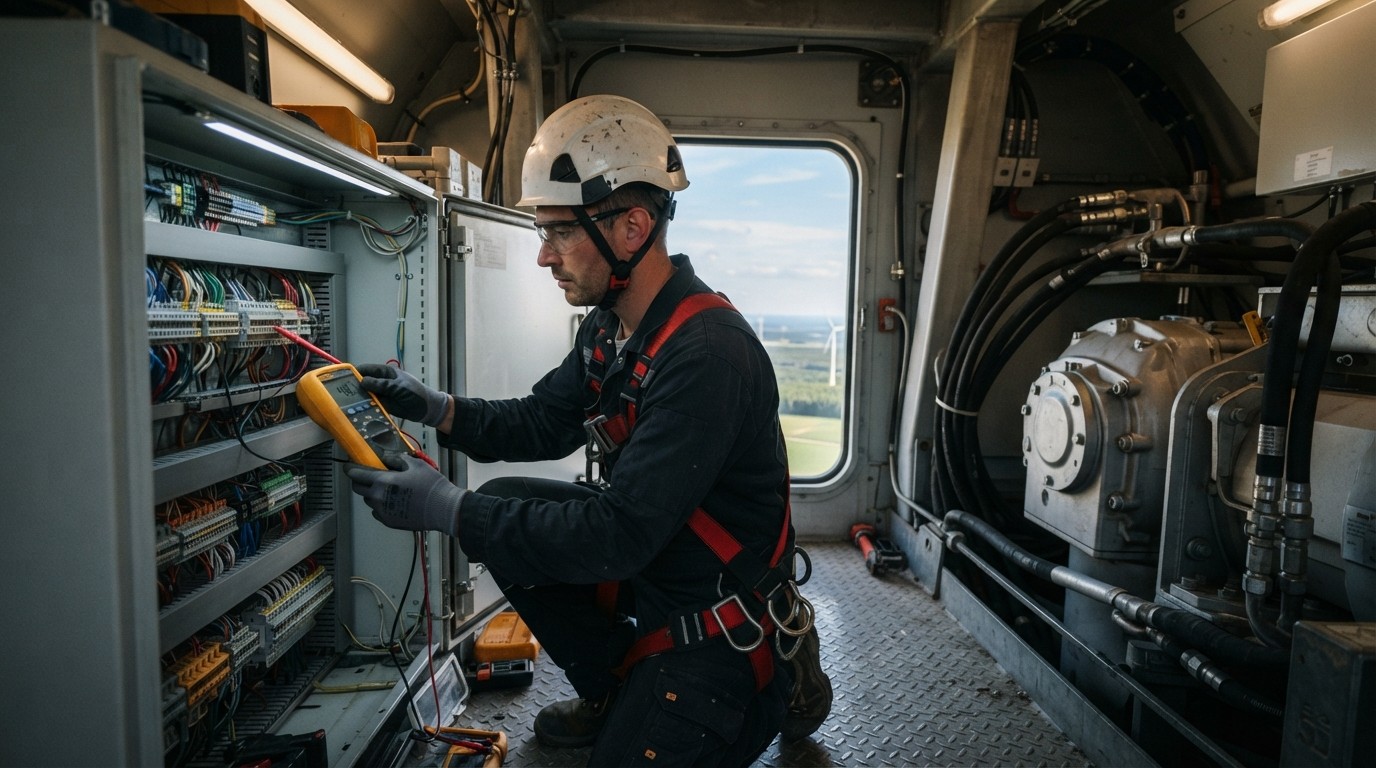
Hands-on careers may appeal to people who enjoy working with machinery and solving mechanical problems. Solar installers assemble and connect photovoltaic systems, a role covered in our look at technical careers that build a greener future, while wind turbine technicians inspect equipment and perform maintenance at considerable heights.
Other positions involve less physical work. Energy analysts examine consumption patterns, and engineers develop systems that improve efficiency. Technology specialists may monitor connected equipment or troubleshoot software used at energy facilities.
Research typical responsibilities before committing to a career path. Some jobs require frequent travel or outdoor work, so understanding daily expectations can prevent unpleasant surprises.
Identify Your Transferable Skills
Entering a new industry doesn’t always require abandoning your previous experience. Many clean energy occupations share technical foundations with traditional construction and maintenance jobs.
Electricians already understand wiring systems and electrical safety procedures. HVAC technicians may have experience servicing energy-efficient heating and cooling equipment.
Construction workers can apply their knowledge of building materials and jobsite practices to renewable energy installation projects.
Companies operating modern energy systems rely on computer networks and digital monitoring equipment. IT professionals with troubleshooting experience may find opportunities supporting those operations.
Review job advertisements to identify skills employers request repeatedly. Comparing those requirements against your existing abilities can help you determine which qualifications need attention.
Choosing a Training Route
Your educational pathway should reflect the type of work you want to pursue. Some clean energy occupations require formal degrees, but many technical positions offer alternative entry routes.
Apprenticeships allow participants to develop practical skills under experienced professionals while receiving compensation. They can be particularly useful for people interested in electrical trades.
Technical training programs provide another option. Students can develop foundational knowledge through structured lessons and practical exercises before pursuing entry-level employment.
For Pennsylvanians considering clean-energy work, career-focused training in skilled trades or IT can be a starting point, and Berks Technical Institute is one local option. Its electrical and HVAC training programs can help students develop skills relevant to building systems and energy-efficient equipment.

Compare Training Costs and Career Requirements
A program might sound promising until you discover that it requires a schedule you cannot maintain. Training costs and time commitments deserve careful attention before enrollment.
Request information about tuition and required supplies. Ask about payment arrangements and financial aid eligibility where available. Some programs also involve transportation expenses or additional certification fees.
Investigate the qualifications employers recognize. Completing a training program does not automatically grant a professional license or guarantee employment.
Look for opportunities to speak with graduates about their experiences. Their feedback may help you understand the practical demands of training and the kinds of positions they pursued afterward.
Build Strong Technical and Safety Skills
Clean energy careers often involve specialized equipment that requires careful handling. Workers must understand the hazards associated with their responsibilities before performing technical tasks independently.
Electrical safety is particularly important for people working with solar installations or power systems. Employees may need training in circuit protection and safe equipment isolation procedures.
Wind turbine technicians face different risks, including elevated work locations and moving machinery. Appropriate safety instruction and supervised practical experience are essential.
Technical knowledge should extend beyond operating equipment. Understanding why a system fails can help workers diagnose problems instead of repeatedly replacing components without identifying the cause.
Keep learning as technology develops. Equipment manufacturers frequently update their products, making continued technical education valuable throughout a career.
Prepare for Your First Clean Energy Job Interview
Clean energy employers increasingly expect candidates to show awareness of the wider transition, not just enthusiasm for it. Being able to talk about where the industry is heading, from maintaining green energy systems to the way storage and grid upgrades shape day-to-day work, sets an applicant apart from someone who has only read the job description.
A strong application should demonstrate how your experience connects to the employer’s operations. Avoid relying exclusively on general statements about your interest in sustainability.
Describe technical projects you completed and explain how you solved specific problems. Applicants changing industries should emphasize transferable experience and their willingness to learn unfamiliar systems.
Research the employer’s equipment or services before attending an interview. Familiarity with its operations can help you ask more useful questions about training expectations and daily responsibilities.
Be prepared to discuss workplace safety. Employers need workers who understand their limitations and follow established procedures when handling unfamiliar equipment.
Build a Lasting Career in the Clean Energy Workforce
The clean energy workforce offers opportunities for people with different educational backgrounds and professional experience. Finding the right entry point requires realistic planning and a willingness to develop new skills.
Choose training that supports your career goals, investigate local employment needs, and continue building your technical knowledge. Research available programs and take the next step toward a career that contributes to a changing energy industry.

