
Textiles include everything from the clothes we wear to household decorative elements such as curtains, bedding, and pillows. These items are almost as essential as food and water… we can’t live without them. We can’t walk around naked at least, that’s for sure. Our dependence on textiles is so significant that their production and manufacturing is the second-largest pollution contributor in the world – second only to oil!

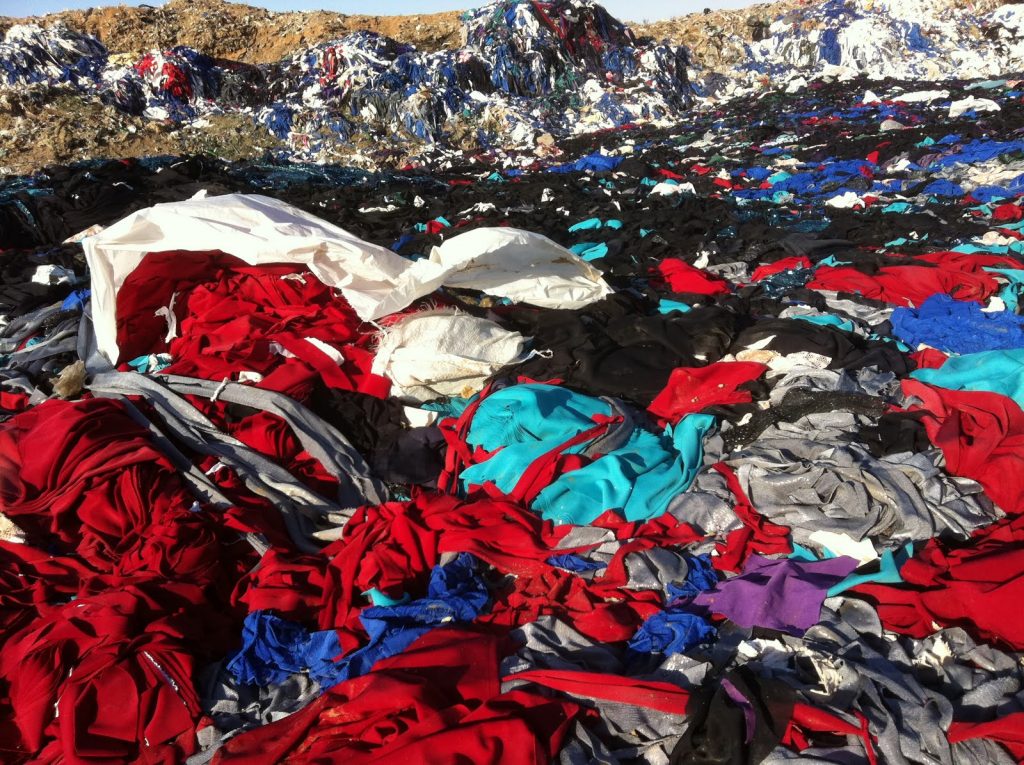
In addition to all the emissions created to make the textiles, they are also generating a lot of waste. Most people don’t even wait until the item is worn out before they buy a new one. Clothing and decorative items tend to be chosen according to the latest trends and, therefore, older styles are no longer usable. A majority of the waste ends up in landfills.
Fortunately, some companies are tackling this problem. For example, there is a non-profit trade association working on behalf of companies called SMART (the Secondary Materials and Recycled Textiles association) that is involved with the textile reuse and recycling industry. It collects pre- and post-consumer textiles for recycling. The companies involved repurpose excess material (scraps from the textile industry that would otherwise be discarded as a by-product) into a variety of consumer products such as wiping cloths, home furnishings, and automobile insulation.
The fashion industry itself has also been getting involved. Some brands like Levi’s are offering discounts on products for consumers who recycle their worn clothing in-store. Other brands like Zara, The North Face, Converse, Madewell, H&M, and Reformation are offering textile recycling programs. And some companies take the used clothing and re-process it back into their original fiber. The fiber is then sold in bales to other companies that specialize in turning the fiber content into new products – such as stuffing for furniture, pet bedding, carpet padding, home insulation, automotive soundproofing, and athletic equipment.
There’s even a company called Rapanui that is entirely circular itself – it makes the clothes, collects, and re-processes them back into new clothes to sell. Unlike other businesses that just partake in a piece of the sustainable system, Rapanui does it all.
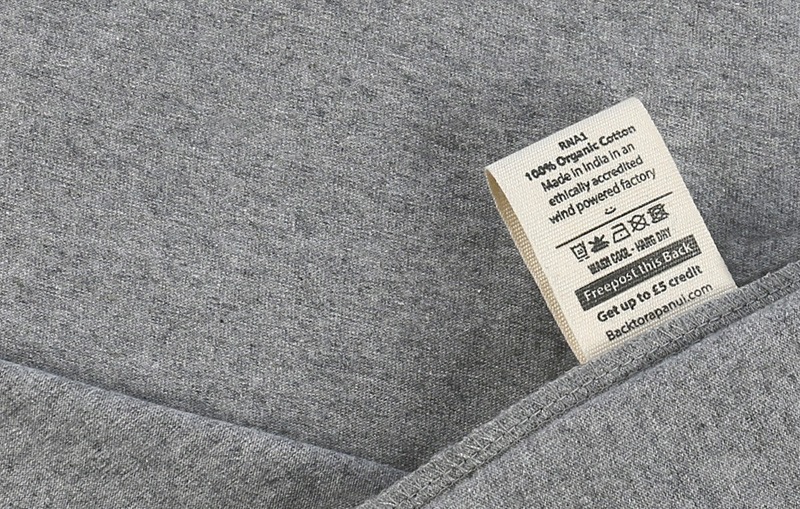
It even grows its own organic cotton, runs factories to process the material and turn it into clothing (all of which are powered by renewable energy), and recycles the clothes returned by customers rewarding the return with a discount on their next purchase. It is a circular fashion economy business from the ground up.
Rapanui writes on its website:
In a circular economy, products are designed from the start to be remade. That means materials flow back to the maker, and the new product is made from the old product. It is different from recycling, or upcycling, where the content is turned into something different before it is then thrown away. A circular economy is infinite because, by design, the material flows in a loop.
Their t-shirts are produced only when an order is placed so that they only make what people need when they need it. To help ensure that new brands can be sustainable too, they’ve established an online platform where anyone in the world can have access to their system. It’s called Teemill, and it’s free!
Martin Drake-Knight, the co-founder of Teemill, said:
Remill proves a fundamentally different way of operating is possible today. Now that we’ve built the digital infrastructure to power a circular economy, our goal is to scale it by sharing access to our technology via our platform. With one million tonnes of overstocked clothing going straight into landfill or incineration each year, Teemill created the technology to ensure each item is manufactured only when needed.
So if you’re eager to start a clothing brand and want to be a sustainable business that only uses organic materials with their products made in factories powered solely by renewable energy, then join Teemill. Your customers can even personalize the item from the shirt to the packaging.


