
Sustainability has evolved from a mere concept to an essential practice in today’s world. The rising demand for environmentally conscious solutions has inspired innovations beyond traditional recycling. A prime example is the conversion of retired wind turbine nacelles into compact, eco-friendly homes. Spearheaded by Vattenfall and Superuse Studios, this project integrates circular economy principles with sustainable design, effectively extending the lifecycle of wind turbine components. This approach minimizes waste and advances the broader goal of environmental preservation, highlighting a commitment to a more sustainable future.
Sustainable Living Innovation Gives Renewables a Second Life
With renewable energy sources like wind power, the focus has always been on lowering carbon emissions. But what happens to these wind turbines when they reach the end of their operational lives? Traditionally, parts are broken down and recycled, but not always in an environmentally efficient way. The Vattenfall project offers a groundbreaking alternative by transforming these discarded components into fully functional tiny homes, showcasing the potential of sustainable design for residential spaces.
Beyond mere recycling, this approach exemplifies circular economics—the idea that resources can and should be reused in innovative ways to reduce environmental impact. This exploration will dive into the benefits of repurposing wind turbine parts and examine a variety of eco-friendly housing options that exemplify sustainable living. We’ll examine various designs, including 3D-printed floating homes, shipping container conversions, and minimalist Scandinavian-style tiny houses, while highlighting the technology and practices that make these concepts viable.

The Concept Behind Recycling Wind Turbine Parts
Why Repurposing Turbines is Essential for Sustainability
The lifespan of a typical wind turbine is around 20-25 years, after which it’s often decommissioned. Dealing with decommissioned turbines presents a significant challenge, as components such as turbine blades and nacelles are usually large, heavy, and costly to recycle or dispose of. Disposing of these massive structures through traditional recycling processes can be energy-intensive and expensive. This is where Vattenfall and Superuse Studios come in, proposing a more environmentally friendly approach by turning these old turbine parts into livable, compact homes.
Innovative Solutions to Growing Waste Problems
Vattenfall, a Swedish energy company, and Superuse Studios, a Dutch design firm specializing in sustainable architecture, collaborated to tackle this issue through circular economic practices. The circular economy prioritizes reuse over disposal, aiming to extend the life cycle of products and materials by finding innovative uses for them. The turbine nacelle-to-home project is an example of this approach, as it avoids the need to remanufacture or dispose of materials by repurposing them directly into housing units. This project demonstrates how even complex industrial components can find a second life, contributing to a more sustainable economy.
Circular Economics in Action: A Real-World Example
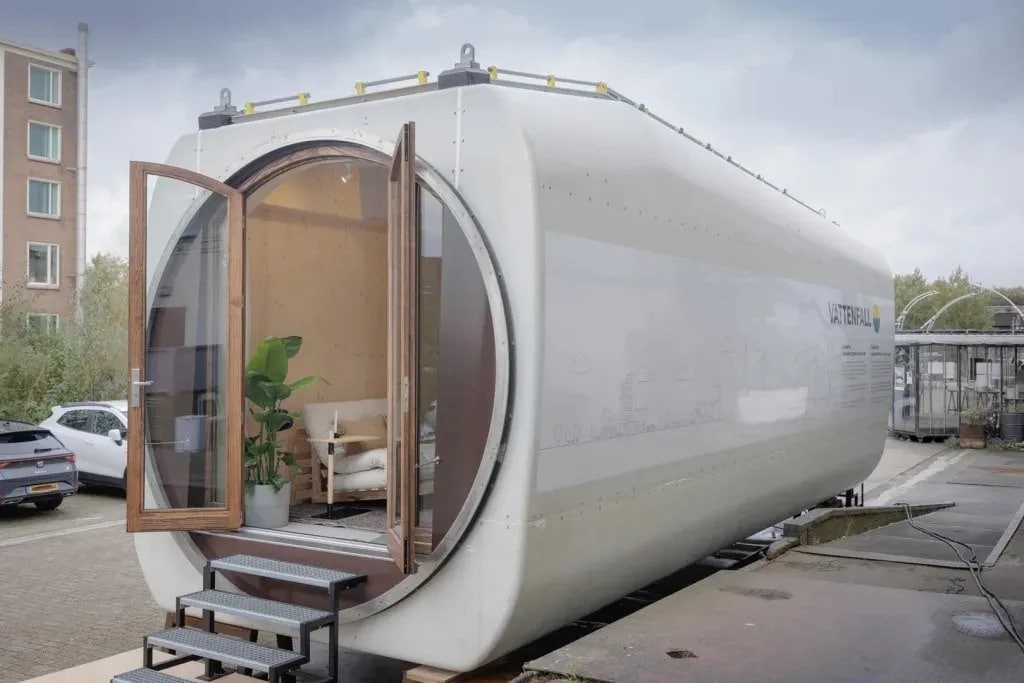
At Dutch Design Week, Vattenfall and Superuse showcased the transformed turbine nacelle, which now functions as a compact, eco-friendly home. This display highlights the technical feasibility of reusing large infrastructure and the creative potential in sustainable design. Rather than being dismantled and melted down, the nacelle retains much of its original form, reducing the need for energy-intensive processing. The nacelle home is also fitted with renewable energy sources, including solar panels and a heat pump, making it nearly self-sufficient.
This project isn’t just about the recycling of a single turbine nacelle—it’s a larger proof of concept for circular economy practices within the renewable energy sector. As companies and governments look for ways to reduce waste and lower carbon footprints, projects like this offer a glimpse into how the circular economy can work on a larger scale.

The Transformation Process—From Nacelle to Tiny Home
Inside the Nacelle: How a Turbine Became a Home
Transforming a retired wind turbine nacelle into a livable space involves creativity and precision. A nacelle—the cover housing the generating components of a wind turbine—is typically built to withstand extreme weather, making it durable and robust. While these structures are resilient, converting them into homes presents unique challenges. Vattenfall and Superuse Studios collaborated to hollow out and redesign the nacelle, incorporating eco-friendly materials and technology to make it both functional and sustainable as a tiny home.
This newly converted home includes essential amenities such as a small kitchen, a bathroom, and a cozy living area. To power the tiny home sustainably, the design incorporates solar panels and a heat pump, allowing the home to function off-grid. This project demonstrates how industrial materials can be reused creatively, contributing to the development of sustainable and innovative housing.
Challenges and Rewards of Repurposing Large Infrastructure
Reimagining a wind turbine nacelle as a home required both structural adaptation and innovative design thinking. Unlike traditional homes, nacelles aren’t designed for residential use; they’re built to hold mechanical equipment, not people. Converting this space involved reinforcing the structure to create a safe, insulated, and comfortable living environment. Additionally, integrating renewable energy systems and plumbing within the nacelle’s compact form was a technical feat, as space is limited and modifications must adhere to safety standards.
The rewards, however, are substantial. Not only does this approach extend the lifecycle of renewable energy equipment, but it also creates a nearly self-sufficient, low-energy home that exemplifies the principles of a circular economy. By repurposing a structure that would otherwise be dismantled and melted down, this project conserves energy and reduces the need for new raw materials, further decreasing the carbon footprint of the wind energy industry.
Long-term Benefits for Sustainable Living
The long-term benefits of such an innovative use of turbine parts go beyond just one tiny home. This project is a model for how we can approach sustainable housing on a larger scale. As more turbines reach the end of their operational life, this strategy offers an alternative to traditional recycling methods, providing housing solutions that are both eco-friendly and affordable. By turning outdated infrastructure into livable spaces, companies like Vattenfall are setting a precedent for other industries to rethink waste and resource management.

Tiny Homes as Sustainable Living Solutions
Exploring Other Eco-Friendly Building Options
While turbine nacelles are a novel base for tiny homes, they’re not the only sustainable option available. For years, architects and environmental advocates have been exploring alternative materials for eco-friendly, small-scale housing. The versatility of 3D printing, for example, has expanded the boundaries of sustainable architecture. In the Czech Republic, a floating home named Protozoan was built using 3D-printed materials that are entirely recyclable. This structure, designed to be self-sustaining, is equipped with a green roof, rainwater reservoirs, and energy-efficient technologies, proving that sustainable construction can minimize both environmental impact and material waste.
Similarly, shipping containers are often converted into compact, eco-friendly homes. These steel boxes, initially used for transporting goods, are repurposed into everything from cozy cabins to modular, stackable homes. With basic insulation and innovative interior design, shipping containers can be adapted into comfortable living spaces. They offer an affordable and sustainable housing solution, as reusing containers saves on the raw materials and energy that would go into building a traditional home.

Tiny Homes on Wheels and Scandinavian Minimalism
Mobile tiny homes are also gaining popularity, especially among those looking to live off-grid. Teacup Tiny Homes, for example, has developed the “Innisfree Anarres,” a mobile tiny home equipped with solar power and sustainable materials. This home includes a solar air heater, a wood-burning stove, and thoughtful design elements that make the home both functional and energy-efficient. With its compact footprint, this type of tiny home provides a flexible housing option that minimizes environmental impact while supporting an independent lifestyle.
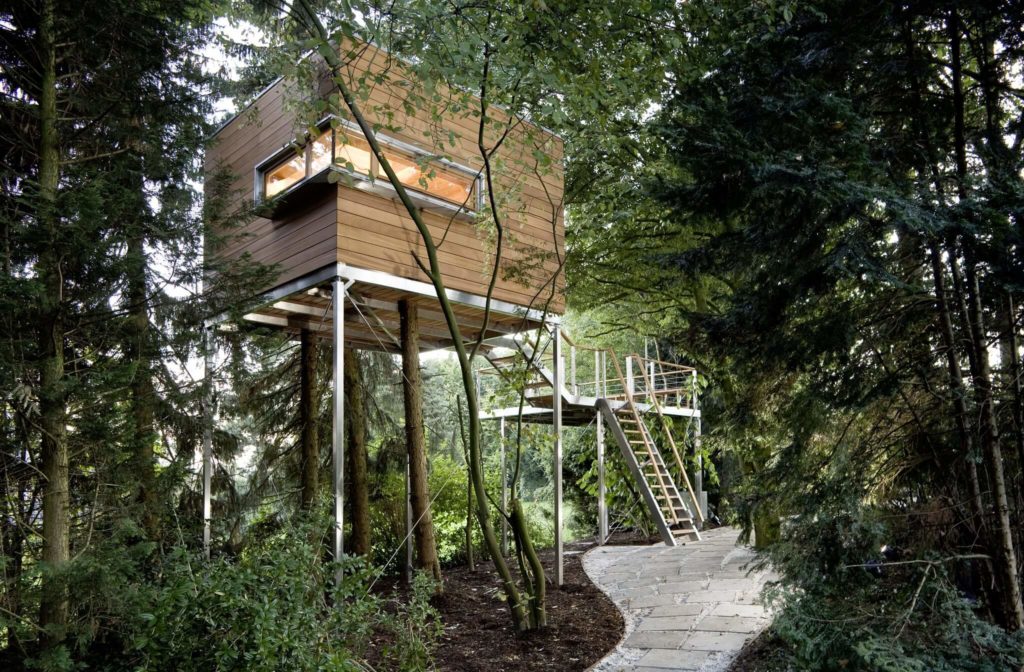
Another design approach, inspired by Scandinavian minimalism, shows how tiny homes can maximize comfort in minimal space. Scandinavian-style tiny homes emphasize open layouts, multifunctional furniture, and a focus on natural materials. A recent example by designer Ida Johansson illustrates this concept with features like high ceilings, large windows, and natural textures. Scandinavian design reflects a commitment to sustainability and simplicity, offering a calm, clutter-free environment that appeals to eco-conscious individuals seeking a minimalist lifestyle.

The Tiny House Movement and Its Environmental Impact
The tiny house movement has gained traction worldwide, driven by a growing awareness of environmental concerns and a desire for simpler, more sustainable living. By choosing to live in smaller, energy-efficient homes, people can significantly reduce their carbon footprint. Tiny homes consume less energy, require fewer resources, and encourage a lifestyle focused on minimalism and responsible consumption. As more people opt for tiny homes, the collective impact on resource conservation and waste reduction could make a significant difference in global sustainability efforts.
These diverse approaches—whether through repurposed industrial materials, 3D printing, shipping containers, or Scandinavian design—underscore a broader trend towards sustainable living solutions that prioritize environmental health without compromising comfort or functionality. Together, these innovations demonstrate the power of creativity in addressing both housing needs and environmental challenges, paving the way for a future where sustainable housing is accessible to all.
The Future of Circular Economics in Housing
Vision for Circular Economy and Sustainable Infrastructure
As housing demands and environmental concerns continue to grow, the circular economy offers a forward-thinking framework to reduce waste and extend the life of existing materials. Circular economy principles emphasize using products and materials as long as possible, repurposing them into new forms rather than discarding them. By creatively recycling wind turbine nacelles into tiny homes, companies like Vattenfall and Superuse Studios show that even the largest and most industrial components can be repurposed for housing.
This concept paves the way for innovative housing solutions that can address global issues. Future possibilities might involve turning other retired industrial structures—like shipping containers, airplanes, or even decommissioned oil platforms—into compact, sustainable homes. These upcycled housing options could serve urban and rural areas alike, where housing costs continue to rise, and affordable, environmentally conscious options are needed. The circular economy thus provides both economic and ecological benefits by turning unused resources into assets that support communities in a more sustainable way.

Potential for Broader Adoption and Community Impact
If widely adopted, the circular economy could transform the construction industry by lowering demand for new materials and encouraging the reuse of existing infrastructure. By rethinking how we approach housing, companies can save on costs, reduce resource extraction, and ultimately make sustainable homes more accessible. This has particular benefits for communities with limited affordable housing options, as repurposed industrial structures offer a low-cost alternative to traditional building methods without compromising on quality or environmental responsibility.
The influence of the circular economy in housing isn’t limited to companies; government policies and public support play crucial roles as well. Incentives, such as tax breaks or grants for repurposing industrial materials, could accelerate the adoption of circular housing models. Additionally, as public awareness grows, there’s a stronger push for eco-friendly practices in both corporate and residential spaces. Together, these factors could make sustainable housing innovations a realistic, mainstream option.
Socioeconomic and Environmental Challenges
The impact of circular economy practices on housing could be profound, addressing both socioeconomic and environmental challenges. By creating homes from materials that would otherwise be discarded, the circular economy could help reduce housing costs, making eco-friendly living accessible to a wider demographic. This also reduces construction waste and energy use, directly contributing to a lower carbon footprint for the housing sector. As more companies, communities, and individuals adopt circular economy practices, the transition to sustainable living can become both a feasible and impactful movement worldwide.

Moving Forward with Sustainable Tiny-Home Living Innovations
The journey toward sustainable housing doesn’t have a one-size-fits-all solution, but the use of circular economy principles, renewable energy technologies, and innovative design offers a powerful way forward. As demonstrated by Vattenfall’s wind turbine nacelle tiny home project, the potential to repurpose large-scale infrastructure into eco-friendly, functional living spaces is just the beginning of what’s possible. This approach not only minimizes waste but also fosters an environmentally responsible mindset that can influence other industries and inspire more sustainable solutions across the board.
Repurposing structures like wind turbine nacelles or shipping containers into homes represents more than an environmental benefit—it’s a shift toward a more sustainable way of thinking about housing and resource use. These homes serve as practical examples of how people can live more sustainably, reduce their carbon footprints, and embrace a lifestyle that values both functionality and minimal impact on the planet.
As we look to the future, sustainable housing initiatives driven by circular economy practices offer an inspiring path for communities and individuals alike. Whether it’s a 3D-printed floating home, a tiny home on wheels, or a recycled wind turbine nacelle, sustainable living is evolving, showing us that with creativity and innovation, housing can be affordable, functional, and, most importantly, environmentally friendly. By supporting and advocating for these green housing options, each of us can play a role in driving positive change toward a more sustainable and resilient future.


