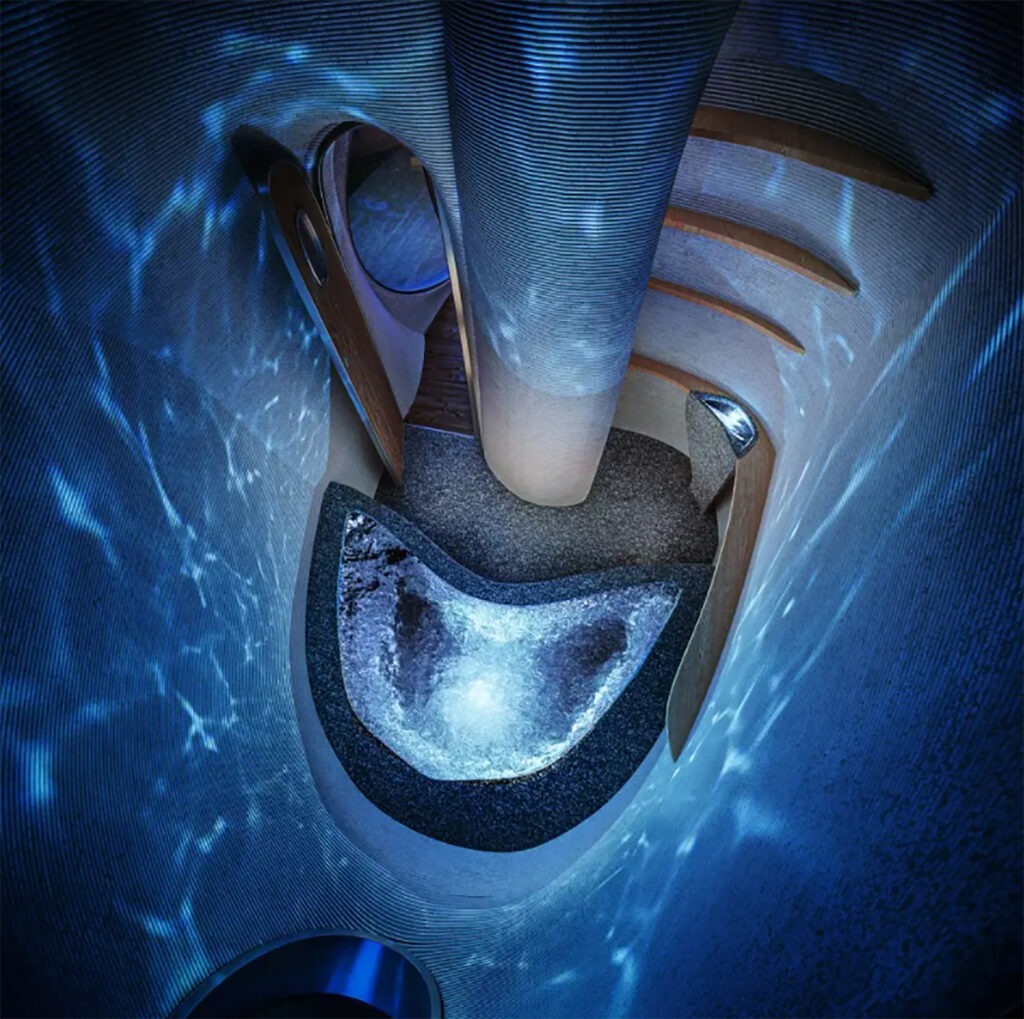
Czech Republic’s first 3D-printed house took only 48 hours to build and a few weeks to dry. The building has a curved body with flowing walls and big circular windows.
The house, called Protozoan, is inspired by nature and organic shapes, particularly by protozoa. The creator, Czech sculptor Michal Trpák, envisioned Protozoan as a home for people traveling in nature or the countryside. It includes a bedroom, a living room with a kitchen, a bathroom, and a big circular skylight; but, the most distinguishing feature of all is that it floats on water.

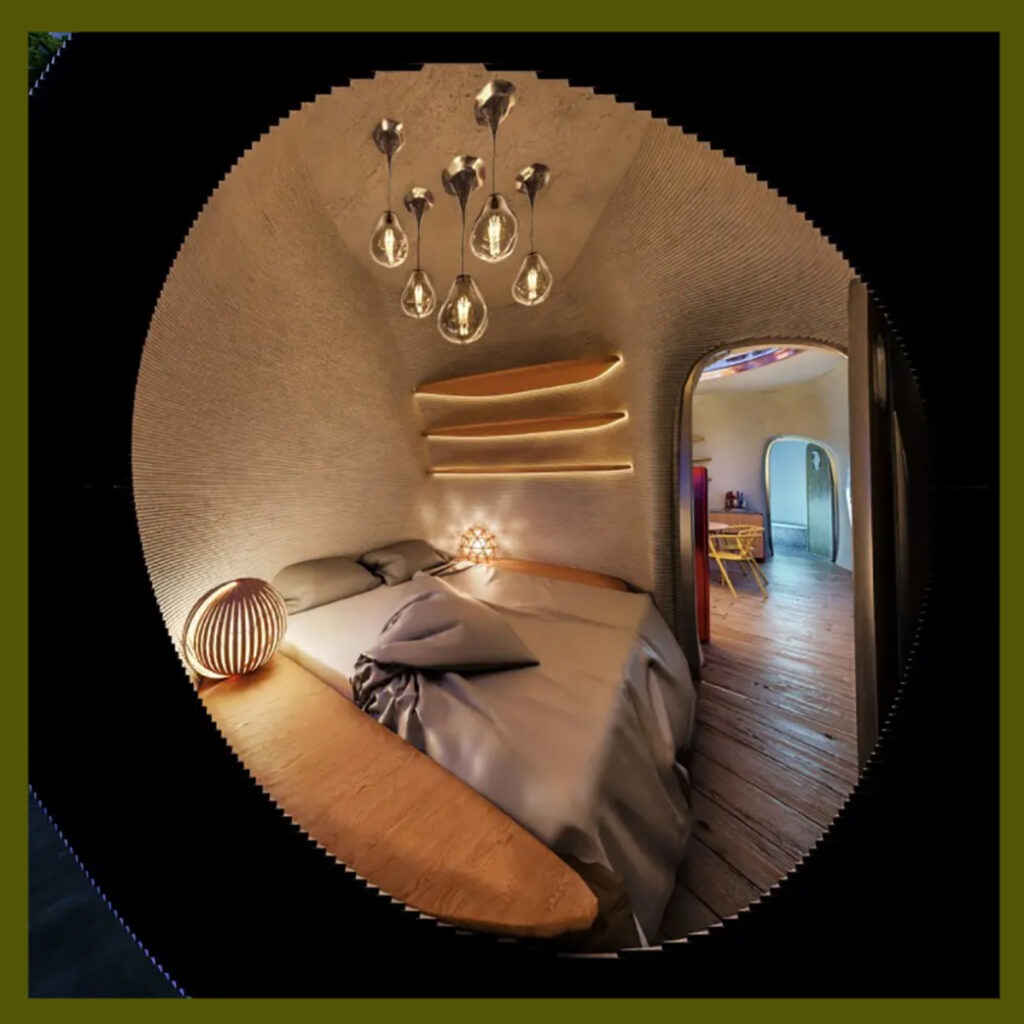
The ‘Prvok’ project demonstrates how 3D printing technologies can be used to create more sustainable housing. Trpák joined forces with a group of architects to develop the 43-square-meter prototype in the Czech city of České Budějovice.
The house includes self-sufficient and eco-friendly features such as a green roof, a recirculating shower system, and reservoirs for utility, drinking, and sewage. The house’s exterior printed shell is allegedly three times stronger than traditional concrete and has a life expectancy of at least 100 years. Once it has expired, the building material can be crushed and reprinted on the spot.
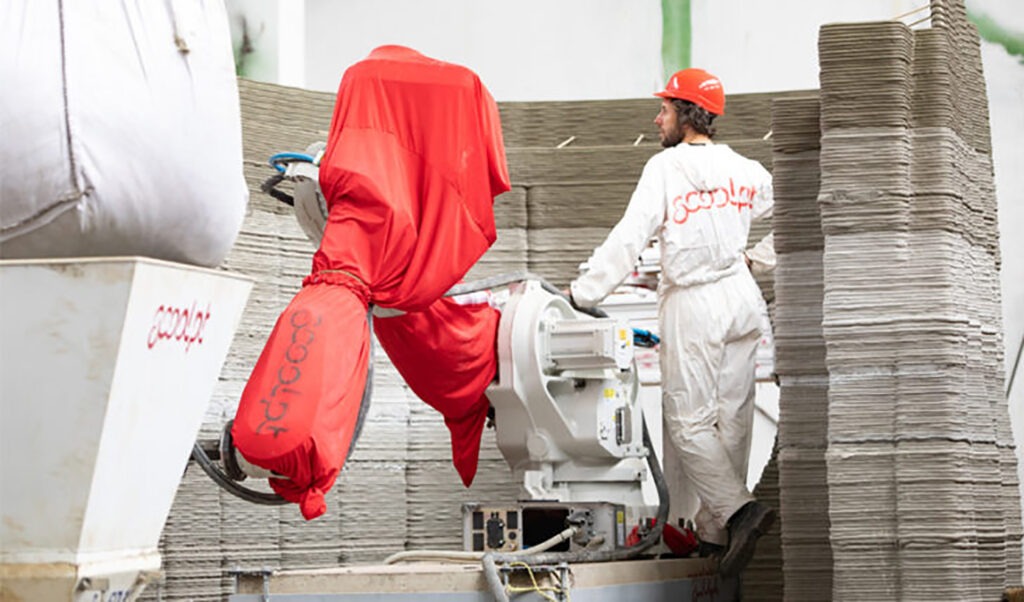
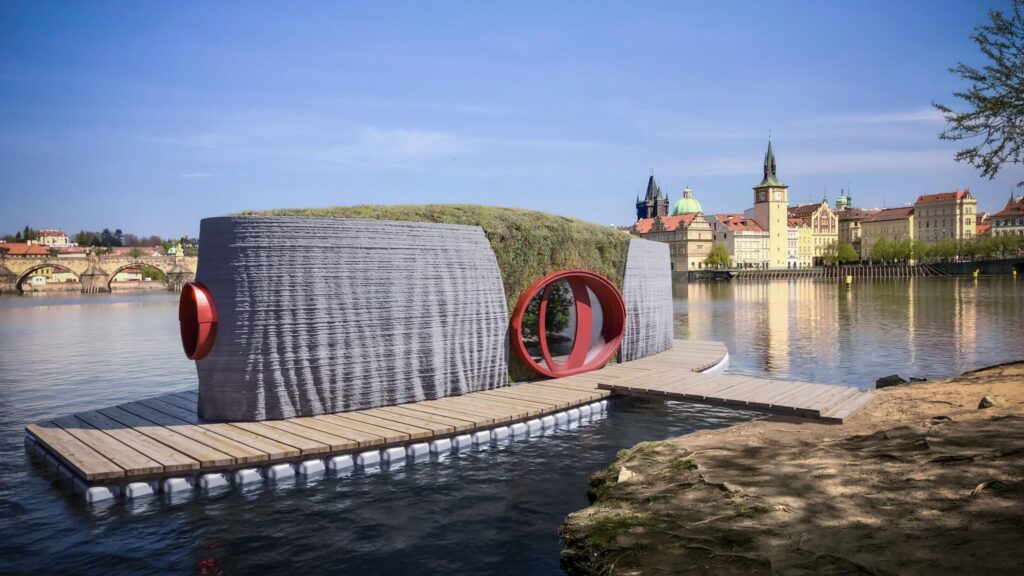
The 3D-printed floating house can be completed seven times faster than building a conventional brick home, lowering the costs by 50% while reducing carbon emissions and construction waste. The World Green Building Council claims that the construction and building industries are accountable for 39% of the world’s carbon emissions.