
The world is at a pivotal moment in its journey towards a sustainable future. With the ever-increasing urgency to combat climate change, nations are racing against the clock to reduce their dependence on fossil fuels and transition to cleaner energy sources. At the heart of this transition lies a set of crucial components known as energy transition minerals. These minerals, including lithium, nickel, cobalt, and rare earth elements, are the building blocks for today’s renewable energy technologies, from electric vehicle batteries to wind turbine components.
However, the journey to harness the full potential of these minerals is fraught with challenges. The global demand for such resources is soaring, and the consequent mining activities pose significant environmental and ethical concerns. As we embark on this new energy era, it’s critical to balance the scales between exploitation and sustainability. This article delves into the multifaceted world of energy transition minerals — their necessity, extraction challenges, and the innovative solutions paving the way for a greener tomorrow.
By exploring these aspects, we’ll uncover the roles that governments, businesses, and everyday people can play in fostering a sustainable and ethically responsible energy future.

Understanding Energy Transition Minerals
What Are Energy Transition Minerals?
Energy transition minerals are naturally occurring substances that are essential in the production of renewable energy technologies. These minerals include lithium, nickel, cobalt, and rare earth elements found abundantly in various parts of the world. For instance, lithium and cobalt are critical for manufacturing the rechargeable batteries used in electric vehicles, while rare earth elements are indispensable for the magnets that power wind turbines and electric motors.
These minerals are not just pivotal to clean technologies but are also at the center of the global discussion on how we can sustainably power our future. According to the International Energy Agency (IEA), the demand for such minerals has recently seen a meteoric rise, driven by countries’ efforts worldwide to reduce carbon emissions and embrace renewable energy solutions.
Global Demand and Market Dynamics
The surge in demand for energy transition minerals is reshaping global markets. The World Economic Forum highlights that the market for minerals like lithium and cobalt has doubled in the last five years. This trajectory is expected to continue, with demand projected to increase fourfold by 2040 as nations strive to achieve their clean energy and carbon neutrality goals. Such growth is both an opportunity and a challenge, especially for countries rich in these resources.
For mineral-rich developing nations like the Democratic Republic of the Congo and Indonesia, this burgeoning demand could lead to substantial economic opportunities. However, it also raises concerns over the potential exploitation and depletion of these valuable resources. The control and management of extraction processes will be key if these countries are to benefit economically while avoiding the pitfalls of over-extraction.
Environmental and Human Rights Concerns
As promising as energy transition minerals are, the mining and processing of these resources come with a hefty environmental price tag. Mining activities often lead to landscape degradation, deforestation, and water pollution — issues that are exacerbated if extraction practices are unsustainable.
Moreover, the industry has faced criticism for human rights abuses, including forced labor and unsafe working conditions. The United Nations has emphasized the need for fair and equitable management of mineral supply chains to prevent the exploitation of both people and the planet. With reports surfacing of issues in countries like the Democratic Republic of the Congo, there is a clear call for implementing ethical practices within the mining industries.
Energy transition minerals offer boundless potential for a sustainable future, but responsible and ethical mining practices are imperative. To ensure success, stakeholders worldwide must come together to adopt innovative solutions and policy frameworks that prioritize human rights and environmental protection. As we continue to explore the role these minerals play in our quest for renewable energy, the challenge remains to extract and utilize them without repeating the historical mistakes of resource exploitation.

Innovative Approaches to Sustainable Mining
As the world’s demand for energy transition minerals grows, so does the need for innovative methods that allow for sustainable and ethically responsible extraction. Traditional mining methods, though effective, often come at a significant cost to the environment and human well-being. As a result, scientists and industry leaders are looking for new ways to mine that are both less damaging and more efficient.
Seaweed: Nature’s Unexpected Ally
One of the exciting developments in mining innovation comes from the depths of the ocean. U.S. researchers are exploring the potential of seaweed as a tool for extracting key minerals like platinum and rhodium, both critical for various green technologies. Seaweed has the natural ability to absorb and concentrate these minerals, potentially allowing for more environmentally friendly extraction processes.
By harnessing seaweed, scientists hope to reduce some of traditional mining’s negative impacts, such as landscape destruction and biodiversity loss. While it may not completely replace established methods, this innovative approach offers an intriguing possibility for supplementing our mineral supply in a way that aligns closely with environmental conservation efforts.
Technological Innovations in Processing Minerals
Beyond seaweed, advances in technology are also transforming the landscape of mining. Plasmonic catalysis, a method utilizing light to drive chemical reactions, has emerged as a promising approach in processing minerals more sustainably. This technique, highlighted by collaborations like the one between researchers at the Tata Institute of Fundamental Research and the City University of Hong Kong, utilizes sunlight to initiate and accelerate reactions that have traditionally required harsh chemical processes.
Plasmonic catalysis represents a leap forward in “green chemistry,” offering a way to reduce reliance on fossil fuels and decrease environmental pollution. By using light as a clean and abundant energy source, this innovative method addresses critical issues surrounding the sustainability of mineral processing.
These forward-thinking approaches showcase the importance of innovation in the mining sector. As we strive to maintain a steady supply of essential minerals for green technologies, finding methods that protect our planet while meeting global demand is crucial. Through research and innovation, the future of mining can become more aligned with sustainable practices that benefit both industry and the environment.
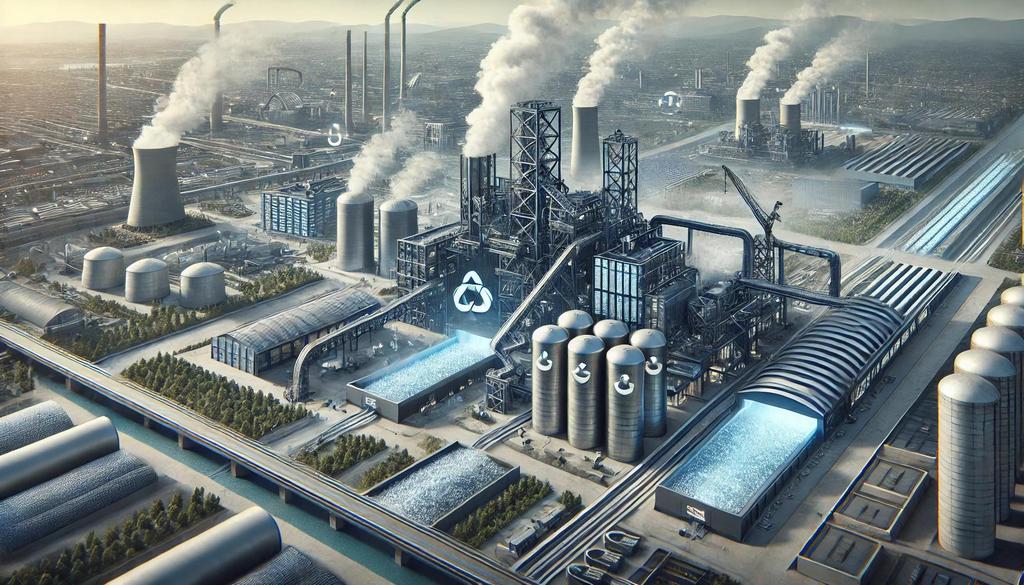
Transforming Global Industries Towards Sustainability
Global industries are under increasing pressure to reduce their environmental impact while maintaining productivity. The move towards sustainability is not just an option – it’s a necessity. Industries around the world are pivoting towards a more sustainable future to meet the growing demand for eco-friendly products and processes.
The Green Steel Revolution
One of the most significant industrial transformations in recent years is occurring in the steel industry. Steel production has long been a cornerstone of industrial economies but is also a significant contributor to global greenhouse gas emissions, accounting for about 8% of all emissions.
To address this, researchers and companies are exploring hydrogen-powered steelmaking as a cleaner alternative to traditional coal-fired methods. Unlike conventional processes, hydrogen-based steel production emits only water vapor, not carbon dioxide. This shift represents a new frontier for steelmaking, promising significant reductions in emissions and positioning the industry as a leader in sustainable practices.
The journey to creating green steel is laden with challenges, such as higher production costs and technological hurdles, but the potential benefits are enormous. Pioneering initiatives like Sweden’s HYBRIT project are setting ambitious targets for transitioning entirely to this sustainable method, demonstrating the industry’s commitment to environmental innovation.
Pathways to Net-Zero Carbon Industries
Beyond steel, industries are embracing a broader range of initiatives to lower their carbon footprints. The development of green ammonia and eFuels, which offer renewable alternatives to fossil fuels, is a testament to the energy sector’s dedication to decarbonization. These innovations are critical in industries like shipping and aviation, which have traditionally been challenging to decarbonize.
Similarly, the adoption of circular economy principles is transforming production processes across industries. This eco-centric approach emphasizes reducing waste and recycling materials, thereby conserving resources and minimizing environmental impact. By integrating circular strategies, companies are innovating and effectively paving the way for a sustainable industrial future.
These transformations are coupled with policy developments that provide essential support for industries making the shift. Government incentives and international agreements are critical in facilitating these changes, offering frameworks and financial support to help sustainable practices take root.
As industries transform toward sustainability, the synergies between technological innovation, policy support, and market demand will drive the necessary changes. These combined efforts underline the possibility of a broader shift towards net-zero carbon industries, ensuring that our economic development goes hand-in-hand with environmental stewardship.

The Role of Policy and Global Cooperation
The transformation towards a sustainable future requires more than just technological innovation; it demands comprehensive policy support and global cooperation. As industries across the globe grapple with the demands of reducing their carbon footprints, the role of effective policies and international collaboration becomes increasingly critical.
Policy Support for Sustainable Practices
Governments around the world are beginning to recognize that supporting sustainable practices is not just an environmental necessity but also an economic opportunity. Policies such as subsidies, tax incentives, and investment grants can significantly lower the costs of adopting green technologies, making them more attractive for businesses.
For instance, initiatives like green tariffs, which encourage the adoption of renewable energy, play a crucial role in driving the shift towards sustainable practices. These policies provide the necessary financial backing to help industries transition without compromising their profitability. Moreover, policy frameworks that enforce responsible mining practices are vital in ensuring that the extraction of critical minerals does not harm the environment or infringe upon human rights.
The Power of International Cooperation
Global cooperation is indispensable in addressing the challenges associated with transforming industries. The very nature of energy transition minerals, whose availability and extraction are often concentrated in specific regions, necessitates international collaboration. Agreements like the Paris Accord provide a foundation for countries to work together towards shared climate goals.
International forums and agreements bring together diverse stakeholders, from governments and corporations to NGOs and local communities, fostering the exchange of knowledge and resources needed to tackle environmental challenges. Collaborative efforts can lead to the establishment of global standards and practices that ensure sustainability is prioritized across borders.
As the world moves forward in its pursuit of a green future, the combined force of national policies and international partnerships will be pivotal. They provide the frameworks and support necessary for transitioning to sustainable practices, nurturing a collaborative climate where innovation and environmental stewardship thrive.

Consumer Influence and the Circular Economy
In the journey towards sustainable development, consumers hold substantial power. Their preferences and choices significantly impact how industries operate, often pushing companies towards adopting more eco-friendly practices. When aligned with the principles of the circular economy, consumer influence becomes a transformative force in shaping a sustainable future.
Influencing the Market with Conscious Choices
Today’s consumers are more informed and conscientious than ever before. Many are actively seeking products that not only meet their needs but also align with their values. This growing demand for ethical and environmentally friendly products compels companies to rethink their production methods.
Consumers can drive market change by choosing products that are sustainably sourced, ethically produced, and have a lower environmental impact. This influence extends to supporting brands that demonstrate transparency in their production processes and actively engage in eco-friendly practices. As awareness grows, consumer demand becomes a catalyst for industries to adopt green innovations, ensuring that sustainability becomes a core business strategy.
Embracing the Circular Economy
The circular economy is a transformative concept that advocates for the continuous use and recycling of resources, minimizing waste. This approach challenges the traditional linear model of “take, make, dispose,” encouraging industries to design products with the entire lifecycle in mind.
By adopting circular economy principles, companies can reduce their environmental impact while maintaining profitability. This model emphasizes resource efficiency and closed-loop systems where materials are reused and recycled, leading to reduced waste and conserving natural resources.
As more consumers become aware of the environmental benefits of the circular economy, their purchasing decisions will further incentivize companies to integrate these principles into their operations. Together, through informed choices and market influence, consumers are pivotal in guiding industries toward a more sustainable and responsible future.

Sustainable Future for Energy Transition Minerals Through Collective Action
As we navigate through the complexities of transitioning to a more sustainable world, it’s evident that this journey requires a collective effort. The interplay of technology, policy support, consumer influence, and global cooperation forms the foundation for a future where sustainability is not just a goal but a shared reality.
The advancements in energy transition minerals and sustainable mining practices highlight the potential for innovation to solve environmental challenges. Industries are increasingly embracing green technologies, underscored by the growing adoption of circular economy models. These efforts, aligned with supportive policies and international collaboration, pave the way for a greener planet.
Consumers, with their growing demand for sustainable products, play a crucial role in steering market trends. Their influence, combined with industry innovation and policy frameworks, creates a powerful momentum that drives significant change toward achieving net-zero emissions.
As we move forward, the path to sustainability is illuminated by the potential of human ingenuity and the strength of collective action. Together, we can forge a future where economic growth and environmental responsibility go hand in hand, ensuring a healthier planet for generations to come. It’s a journey that’s just beginning, and with each step, we come closer to realizing the promise of a sustainable tomorrow.


