
The increasing demand for green energy is driving significant transformations across various industries. This is particularly evident in the development and processing of essential green energy minerals. Key battery minerals—including lithium, cobalt, and nickel—are pivotal for powering electric vehicles (EVs) and facilitating renewable energy storage solutions.
As the world transitions to a more sustainable energy landscape, the extraction and processing of these minerals are undergoing rapid evolution. This shift not only influences traditional mining practices but also sets the stage for innovative developments within the industry.
In this article, we will delve into the latest trends shaping the green energy minerals sector. By understanding these changes, we can appreciate the crucial role these materials play in fostering a renewable energy future and meeting global sustainability goals. Advancements in environmental engineering are also helping to minimize the ecological impact of mineral extraction, ensuring that sustainability remains at the forefront of energy innovation.

Growing Demand for Battery Minerals
The rapid growth of electric vehicles and renewable energy technologies has led to a surge in demand for battery minerals. Lithium-ion batteries, which rely heavily on lithium, cobalt, and nickel, are crucial in powering EVs and storing energy from renewable sources like solar and wind. According to industry forecasts, demand for these minerals could increase by over 500% by 2050.
Trend Impact:
Mining companies are racing to expand capacity, improve extraction efficiency, and enhance the sustainability of mining practices to meet this soaring demand. Countries like Australia, Chile, and China, which dominate lithium production, are intensifying their efforts to expand their operations while integrating more eco-friendly practices.
Sustainable Mining Practices
As demand for green energy minerals continues to increase, the mining industry is under increasing pressure to adopt more sustainable and responsible practices. This includes minimizing environmental damage, reducing carbon emissions, and promoting transparency in the supply chain. Technologies such as automated mining equipment and energy-efficient processing plants are becoming standard in advanced mining operations.
Trend Impact:
Many companies are investing in greener processing technologies. Some mines are even powered by renewable energy sources, further reducing their environmental footprint. Sustainability certifications, like the Initiative for Responsible Mining Assurance (IRMA), are also gaining importance as companies seek to appeal to environmentally conscious investors and consumers.
Recycling and Circular Economy
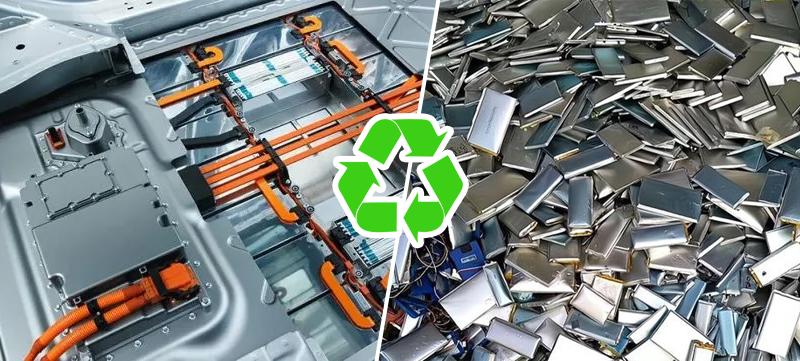
Given the limited supply of green energy minerals and the environmental impact of mining, there is a growing emphasis on recycling. Extracting valuable materials from used electronics, batteries, and other industrial waste can significantly reduce the need for raw material mining while minimizing waste and pollution. Innovative methods are being developed to recover and reuse lithium, cobalt, and nickel from old batteries.
Trend Impact:
Companies in Europe, North America, and China are setting up advanced recycling plants to recover key minerals from end-of-life batteries. This circular economy approach not only helps conserve resources but also mitigates the geopolitical risks associated with mineral scarcity and ensures a more stable supply chain.
Technological Advancements in Mineral Processing
The development of advanced technologies in mineral processing has been instrumental in optimizing the extraction and refinement of green energy minerals. More efficient extraction techniques, such as direct lithium extraction (DLE), are replacing older, resource-intensive methods. These advancements reduce the environmental footprint and improve recovery rates of valuable minerals. Innovations such as artificial intelligence (AI), machine learning, and blockchain are being deployed to improve extraction techniques and ensure more efficient resource use.
Trend Impact
For instance, AI-powered equipment can analyze data in real-time, allowing for more precise extraction with less waste. Blockchain technology is being employed to enhance supply chain transparency, ensuring that minerals are sourced ethically and sustainably, which is increasingly important for investors and regulatory bodies.
Geopolitical and Supply Chain Considerations
The production of green energy minerals is highly concentrated in certain regions. For example, more than 60% of the world’s cobalt is mined in the Democratic Republic of Congo, while China controls most of the global rare earth supply. This geographic concentration presents significant geopolitical risks, as supply chains can be easily disrupted by political instability, trade restrictions, or environmental regulations.
Trend Impact
In response, many countries are seeking to diversify their supply chains by investing in domestic mineral production and processing capacities. The U.S., European, and Australian governments are offering incentives for the exploration and development of green energy minerals within their borders to reduce reliance on foreign sources.
Automation and Digitalization of Mining
The pursuit of efficiency and sustainability is driving the adoption of automation and digitalization in mining operations. Automated drilling rigs, autonomous trucks, and AI-powered mineral processing equipment and control systems are streamlining mineral processing while reducing labor costs and human safety risks.
Trend Impact
These technologies enable mining operations to run continuously, improving productivity and reducing downtime. Digital twins (virtual replicas of mining operations) are also becoming common, allowing operators to simulate and optimize processes in real-time.

Rapid Evolution of Green Energy Minerals: Meeting Demand for a Sustainable Future
The development and processing of green energy minerals are undergoing rapid advancements. This transformation is driven by increasing demand, technological innovation, and the imperative for sustainability. As society approaches a renewable energy future, it is essential for industries to adapt to these evolving trends. This adaptation is necessary to secure a reliable, ethical, and environmentally responsible supply of crucial minerals.
To facilitate this transition, the adoption of sustainable practices is vital. Implementing recycling programs and leveraging advanced technologies will play significant roles in this effort. By prioritizing these initiatives, green energy minerals can become the cornerstone of a cleaner and more resilient global economy. This shift not only supports environmental goals but also ensures economic stability in the face of changing energy demands.
Understanding these dynamics is crucial for stakeholders across the energy landscape as they navigate the complexities of mineral sourcing and sustainable development.

