
The fashion industry generates enormous amounts of waste every year, with millions of garments ending up in landfills while new collections constantly replace previous seasons. What if the solution to this environmental crisis existed not in revolutionary new fabrics or manufacturing processes, but in changing how we think about clothing ownership itself? The resale market has emerged as a powerful force in making fashion more sustainable by extending the lifecycle of garments, reducing demand for new production, and fundamentally shifting consumer behavior toward a circular economy.
1. Extending the Lifespan of Clothing Through Resale Platforms
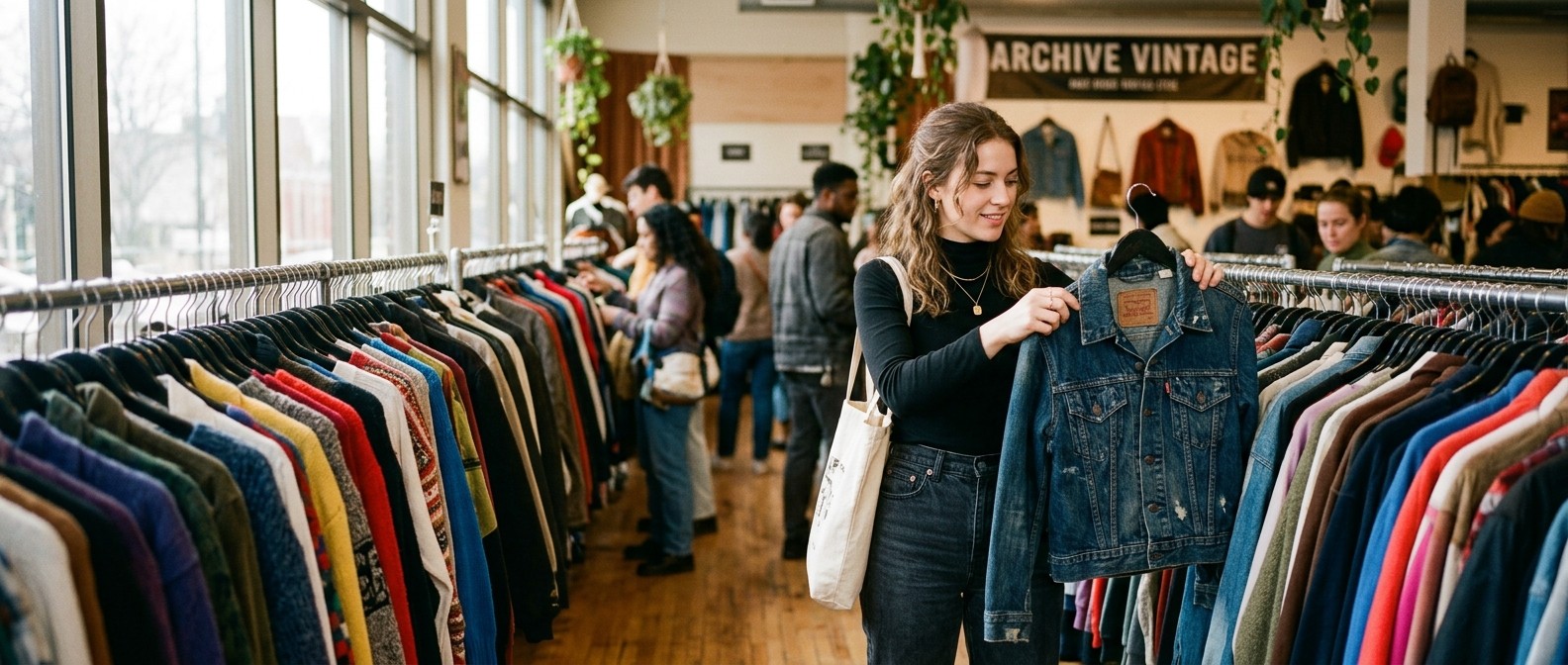
When a garment is purchased secondhand rather than new, it achieves multiple additional wears before eventually reaching end-of-life. Resale platforms, from peer-to-peer marketplaces to specialized consignment shops, have made it easier than ever for consumers to buy and sell pre-owned clothing. This extended use period means that the environmental impact of manufacturing that piece of clothing is distributed across many more people and many more years. For example, a jacket made five years ago can find new owners through resale channels, getting worn another decade or more beyond its original purchase. Each time a garment is resold, it avoids becoming waste and serves the purpose it was designed for, maximizing the return on the natural resources and energy that went into its creation.
2. Reducing Demand for New Manufacturing and Raw Materials
The production of new clothing requires significant natural resources, from water and pesticides used in growing cotton to chemical dyes and synthetic materials derived from fossil fuels. When consumers purchase secondhand items instead of new ones, they directly reduce demand for new manufacturing at scale. A thriving resale market means factories produce fewer replacement pieces because existing items stay in circulation longer. Entrepreneurs who want to participate in this growing movement often rely on a thrift store franchise model to build a retail presence that keeps pre-owned garments circulating in local communities rather than heading to landfills. By choosing to buy a resale dress instead of a brand-new one, a consumer indirectly prevents water pollution, agricultural land use, and carbon emissions associated with making an entirely new garment from scratch.
The scale of this shift is significant. Analysts estimate that secondhand sales now represent roughly 10% of global apparel spending, and the 2024 resale report from ThredUp found that resale grew 15 times faster than the broader retail clothing sector in 2023, with the global secondhand apparel market on track to reach $350 billion by 2028. Online resale is the fastest-moving part of this market, expanding by 23% in 2023 alone and projected to account for half of all secondhand spending by 2025.
3. Creating Economic Incentives for Better Quality Production
The viability of the resale market depends on garments having sufficient durability and appeal to attract buyers years after their initial purchase. This economic reality encourages brands to consider longevity and quality when designing new pieces, knowing that their clothing will potentially be resold rather than discarded immediately. Brands that produce high-quality, timeless pieces benefit from a positive reputation in resale communities, while those known for poor durability find their garments difficult to resell and thus less attractive to consumers. For example, well-made denim or classic leather bags command strong resale prices because they withstand years of wear. This market feedback creates pressure on manufacturers to improve construction standards and invest in better materials, making the entire industry more accountable for the durability of what it produces, which is central to any credible sustainable fashion strategy.
4. Shifting Consumer Attitudes Toward Clothing Consumption
The normalization of secondhand shopping has gradually changed how people perceive fashion ownership, moving away from the throwaway mentality that once dominated consumer behavior. Younger generations increasingly view resale not as settling for lesser goods but as a savvy, environmentally conscious choice. This cultural shift reduces the psychological pressure to constantly buy new items to stay current with trends, which was a primary driver of the fast fashion movement. When resale becomes mainstream and socially acceptable, consumers feel empowered to keep clothing longer and shop secondhand without shame or hesitation. The growth of resale communities has created spaces where people celebrate vintage finds, share styling tips for used pieces, and discuss the environmental benefits of their purchases, reinforcing sustainable values.
Making these habits stick requires a shift in mindset as much as a shift in wardrobe. Our guide to mindful consumption from food to fashion explores how auditing what you already own, repairing instead of replacing, and choosing quality over quantity fit together into a lower-waste wardrobe.
5. Closing the Loop on Fashion Waste
Traditional linear fashion models take raw materials, transform them into clothing, sell them once, and then discard them. Resale creates a circular pathway where garments move through multiple owners and remain in active use far longer. This circular approach dramatically reduces the volume of clothing reaching landfills each year while also diverting textiles from incinerators. The more efficient the resale infrastructure becomes, the more of a garment’s total lifespan occurs in use rather than in storage or disposal. As resale platforms develop more sophisticated technologies for matching buyers with available items, more garments find second and third homes rather than being abandoned. Closing this loop requires infrastructure and investment, but the environmental payoff is substantial: fewer raw materials consumed, less manufacturing pollution, and significantly lower waste generation.
The scale of the problem resale is addressing is hard to overstate. The European Parliament reports that 92 million tonnes of textile waste is generated worldwide each year, with 5.8 million tonnes discarded annually in the European Union alone, and that the average garment has typically been worn only 7 or 8 times. The European Environment Agency found that just 12% of textile waste in Europe is captured for reuse and recycling, meaning the overwhelming majority still ends up landfilled or incinerated.

Conclusion
The resale market represents one of the most practical and scalable solutions available for making the fashion industry more sustainable. By extending garment lifespans, reducing new production demands, incentivizing better quality, and reshaping consumer attitudes, resale addresses multiple environmental problems simultaneously. The growth of secondhand fashion platforms demonstrates that sustainability does not require consumers to sacrifice choice, style, or affordability. Instead, it offers a path where environmental responsibility becomes intertwined with smart economic decisions and cultural values. As resale continues to expand and mature, it will likely become an increasingly important component of how the fashion industry operates, pulling the sector toward greater sustainability without requiring revolutionary technological breakthroughs or complete system overhauls.


