
Manufacturing operations constantly face pressure to improve efficiency while minimizing material loss and downtime. One overlooked yet highly effective solution is the strategic use of purging compounds during production transitions and equipment maintenance. These specialized products work to clean residue from machinery, reduce changeover time, and ultimately lower operational costs. Understanding how purging compounds function and when to deploy them can transform your production workflow and bottom line.
1. Understanding What Purging Compounds Do
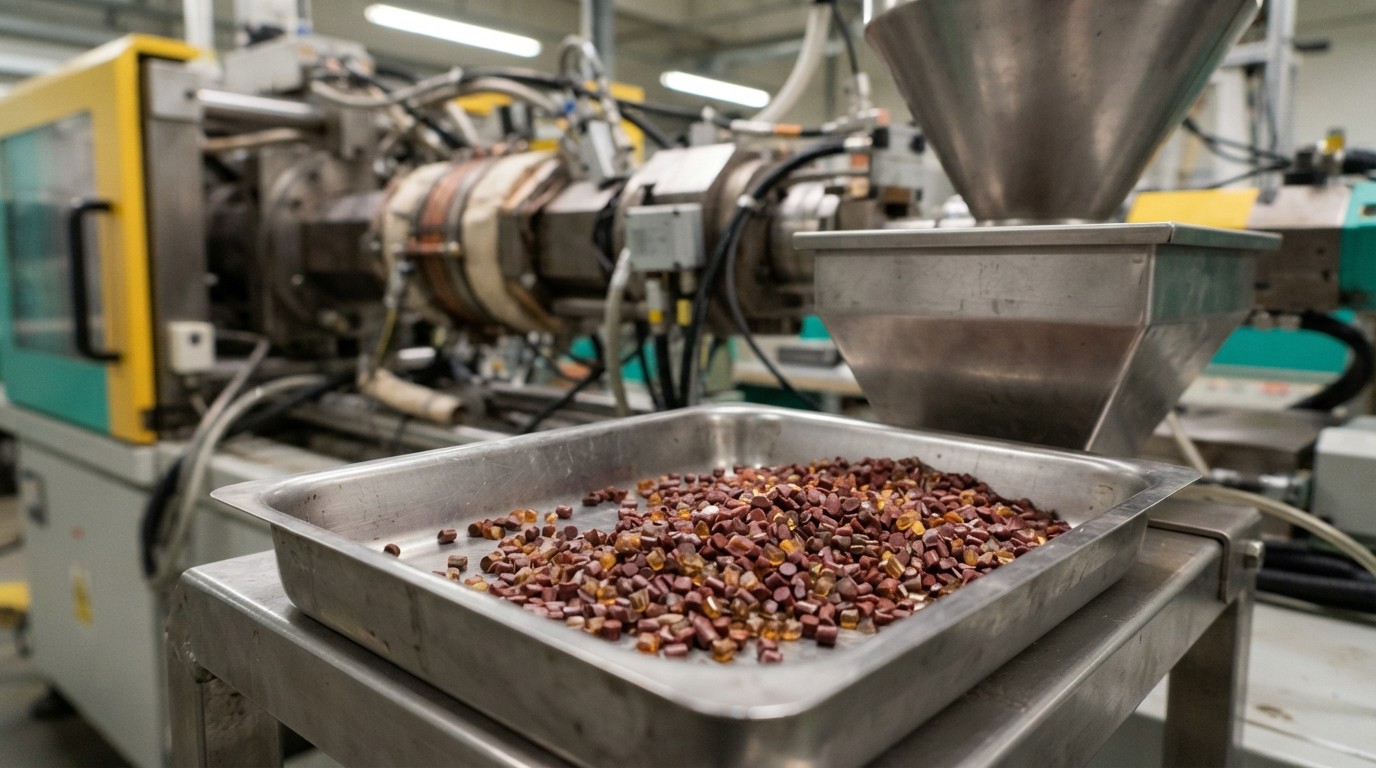
Purging compounds are formulated materials designed to clean the internal pathways of plastic processing equipment, including injection molding machines, extruders, and blow molding systems. When you switch between different materials or colors during production, residue from the previous run remains in the barrel, screws, and heating zones. This leftover material can contaminate the next batch, requiring operators to run scrap material until the equipment reaches a clean state. Purging compounds work by using mechanical action and chemical compatibility to dislodge and remove these contaminants without requiring manual disassembly or harsh solvents. The result is faster equipment transitions and significantly less wasted raw material. By incorporating purging compounds into your standard procedures, you establish a consistent method for maintaining equipment cleanliness between production runs. The savings extend past the factory floor, since recovered plastic scrap still holds market value when it is kept clean and sorted rather than sent to disposal. Facilities that formalize their recovery streams often see broader efficiency gains from the same effort, a pattern described in our guide to why recycling matters for commercial industries.
One processor of plastic purging compounds, purging compounds and process efficiency, notes that flushing a machine with the next resin or with regrind is slow, wasteful, and ineffective at removing color and carbon contamination. Commercial formulations are designed to lift that contamination in far fewer barrel capacities, which is why they outperform manual flushing on both time and material cost.
2. Implementing Purging Compounds in Your Changeover Process
The most effective way to reduce waste begins with integrating purging compounds into your material changeover protocol. Rather than running excessive scrap material to clear out the old plastic, you introduce the purging compound at the start of the transition. This compound flows through the barrel and screw assembly, capturing and pushing out residual material that would otherwise become waste. The process typically takes minutes rather than hours, depending on machine size and barrel temperature settings. Documentation of your purging procedures is equally important, as it creates a standardized method that all operators can follow consistently. Training your team on proper purging compound selection and application ensures every transition happens smoothly and waste stays minimal.
3. Choosing the Right Purging Compound for Your Equipment
Not all purging compounds are created equal, and selecting the correct formulation for your specific equipment is critical to achieving optimal results. Different machines operate at varying temperatures and process different material types, so you need a compound that matches your operational parameters. For example, high-temperature applications like hot runner injection molding require purging compounds engineered to withstand elevated heat without degrading or leaving harmful residue. Conversely, lower-temperature processes may use different chemical formulations that work efficiently at moderate barrel temperatures.
During extrusion operations, operators who need to clear stubborn resin buildup between color changes rely on a purging compound for extruders to minimize scrap output and keep barrels clean without halting production. Always review the purging compound manufacturer’s technical specifications to confirm compatibility with your machine type and current production materials. Consulting with equipment suppliers or compound manufacturers can help you identify the most cost-effective and efficient option for your facility. Matching the right formulation to the right application is one of the most direct ways to reduce avoidable material loss.
Industry evaluations are encouraging. In one documented trial on a 300-ton injection molding machine running hot runners, switching from red HDPE to white HDPE with a dedicated purge compound cut material costs by 55 percent and reduced machine downtime by 75 percent. Across broader commercial programs, reported scrap rate reductions have ranged from 10 to 25 percent depending on how often you change colors or resins and how large your equipment is.
4. Measuring the Impact on Production Efficiency and Costs
The financial benefits of using purging compounds become apparent when you track material waste and changeover time before and after implementation. Calculate how much raw material you currently discard during equipment transitions by recording scrap weight and material cost per production run. Once you begin using purging compounds, repeat these measurements weekly or monthly to establish a clear baseline for improvement. Some operations see waste reductions of 10 to 25 percent depending on the frequency of color or material changes and the size of their equipment, and published case studies have reported scrap rates falling from 10 to 15 percent down to under 1 percent once a preventive purging program was in place. Beyond material savings, reduced changeover time translates directly to increased production hours, allowing you to meet deadlines more reliably and take on additional orders. When you combine decreased material costs with improved throughput, the return on investment in purging compounds often appears within the first few months of use.
It also helps to price the full picture rather than the compound alone. Material cost, press time, labor, lost production, scrap handling, and disposal fees all belong in the calculation, and once those are counted, total cost reductions commonly fall somewhere between 1 and 5 percent.
5. Integrating Purging Compounds into Preventive Maintenance
Purging compounds serve a dual purpose beyond routine transitions; they function as part of a comprehensive preventive maintenance strategy for your processing equipment. Running a purging cycle periodically helps prevent buildup that could eventually damage heating elements, thermocouples, or screw flights. This proactive approach extends the lifespan of your equipment by keeping internal components clean and functioning properly. Many manufacturers recommend a monthly purging cycle even when no material changes are planned, particularly for machines operating continuously or processing materials prone to thermal degradation. By treating purging as essential maintenance rather than an optional step, you protect your capital investment and avoid costly equipment repairs or replacements. This forward-thinking approach also reduces unexpected downtime that can disrupt your production schedule and affect customer commitments.

Conclusion
Purging compounds represent a straightforward yet powerful tool for manufacturing facilities seeking to boost efficiency and cut waste simultaneously. By understanding their function, implementing them into your changeover procedures, and selecting the right formulation for your equipment, you position your operation for measurable cost savings and improved productivity. Start by evaluating your current waste levels during changeovers, consult with purging compound suppliers about your specific needs, and establish clear protocols for your team to follow. With consistent application and proper training, purging compounds become an indispensable part of your production workflow, delivering benefits that extend well beyond simple material savings.


