
A home sauna can look simple in a product photo: a timber cabin, a heater, and somewhere to sit. When researching home sauna options generally, retailers such as Sauna & Plunge Direct illustrate the range of models available, but the decision involves more than finding a model that fits on a floor plan. Door clearance, electrical capacity, moisture control, and the way people will actually use the space all affect whether the installation feels comfortable years later.
Before comparing finishes or control panels, work through the following questions. They will help you narrow the choices without assuming that the largest cabin or most powerful heater is automatically the best one.
1. Who will use it, and how?
Start with a typical week rather than the occasional gathering. Will one person usually sit alone, or will two people use the sauna together? Do users want to sit upright, stretch out, or move between benches? A manufacturer’s capacity label tells you how many people may fit, but bench length and depth tell you how comfortable they will be. Ask for interior dimensions, not only the exterior footprint.
Think about the heat experience as well. A traditional electric sauna heats the room and typically allows water to be poured on the stones when the heater is designed for it. An infrared cabin uses radiant panels and generally runs with less emphasis on heating the air. A wood-fired outdoor sauna adds the work of storing fuel, tending a fire, and managing a flue. These are different routines, so choose the one your household is likely to enjoy and maintain.
2. Measure the whole installation, not just the cabin
Mark the proposed footprint on the floor with tape. Then measure ceiling height, the space needed to open the door, access for cleaning, and the route from the delivery point to the final location. A kit that fits in the room can still be impossible to carry through a narrow hallway or turn around a stair landing. Check the assembled dimensions and the dimensions of the largest delivered panel.
For an indoor installation, consider the floor beneath the cabin and the surrounding room. The surface should suit the manufacturer’s instructions and tolerate routine cleaning and occasional moisture. For an outdoor installation, assess drainage, a stable and level base, weather exposure, and a safe path to the door in all seasons. Local permit, setback, and electrical rules may also affect the location; confirm those before ordering.
3. Match the heater to the actual cabin
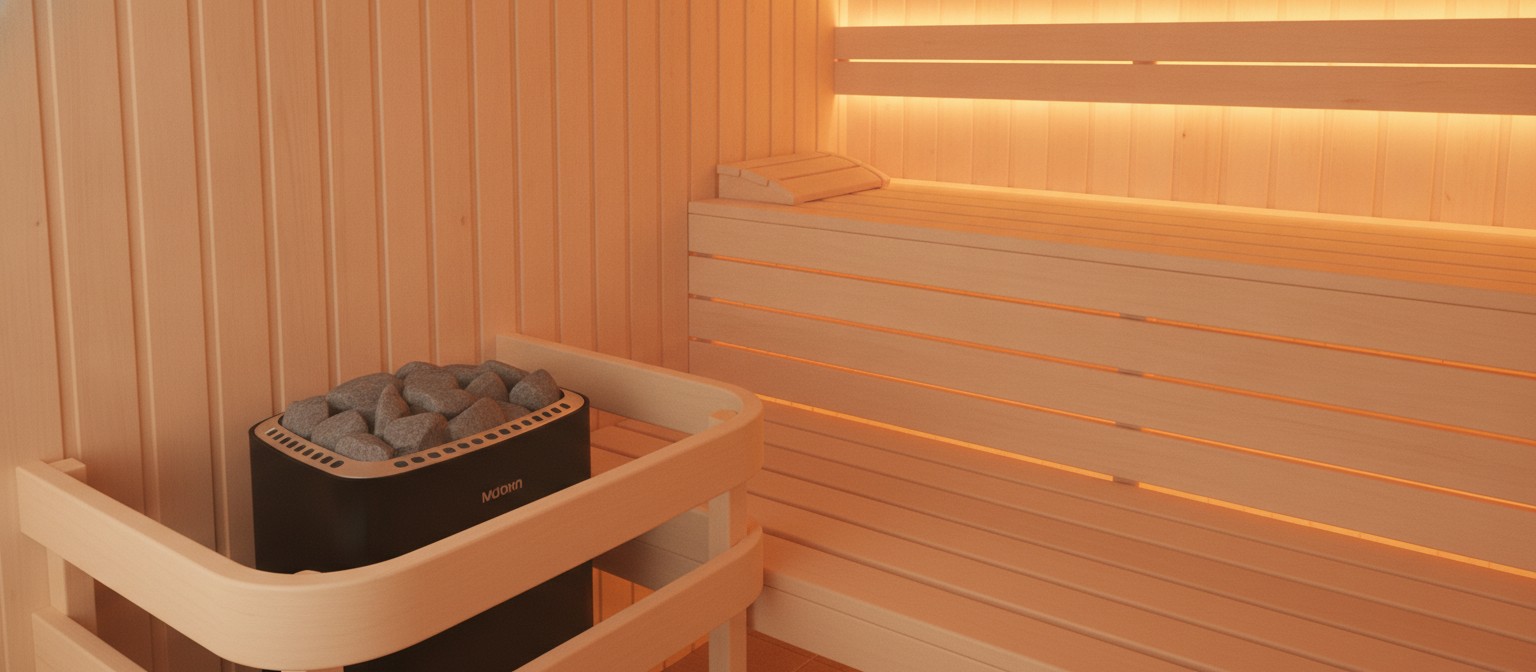
Heater selection should follow the cabin’s specifications, including its volume and the amount of glass or other surfaces that may change heat demand. An undersized heater may struggle to reach the intended conditions; an oversized one is not a shortcut to better comfort. Use the sauna and heater manufacturers’ sizing guidance together, and ask the supplier to confirm compatibility in writing.
The placement of the heater matters as much as its rating. Check the required clearances from timber, benches, and guards, along with the location of controls and sensors. If you are comparing several models, make a simple table showing cabin volume, approved heater range, and installation requirements. It is easier to spot a mismatch on paper than after the cabin is assembled.
4. Check the electrical work before choosing a model
Do not assume a nearby outlet will power the sauna. Electrical needs differ between models, and some require a dedicated circuit or changes to the home’s electrical panel. Give a licensed electrician the exact model number and installation manual before you buy. Ask them to confirm the supply, circuit, protective devices, cable route, and any local inspection or permit requirements.
Outdoor wiring brings additional questions about distance, weather exposure, and how power reaches the site. Keep electrical work, heater positioning, and ventilation decisions coordinated rather than treating them as separate finishing tasks. That conversation can reveal installation costs early enough to influence the choice of cabin.
5. Plan for airflow and moisture
A sauna needs the airflow specified by its manufacturer, while the room or building around it must be able to manage moisture after use. Avoid blocking required vents to retain heat. For an indoor sauna, look at how the surrounding space dries and whether existing ventilation is adequate. The US Department of Energy notes that proper ventilation helps control moisture, reducing the chance of damage in a home.
Materials deserve the same practical scrutiny. Ask how the wall and bench timber is finished, how the floor is cleaned, and which parts may need periodic replacement. An outdoor cabin should have weather-appropriate detailing and a base that keeps timber away from standing water. For a wider look at material sourcing and long-term durability, see Intelligent Living’s guide to eco-friendly garden saunas.
6. Budget for ownership, not only delivery
The advertised sauna price is only one line in the project budget. Add the base or floor preparation, electrical work, assembly, permits where required, and any shelter or weather protection. Ask what is included: heater, stones, controls, lighting, delivery, and warranty coverage can vary by package.
Running cost depends on the heater’s rated power, how long it operates, and the local electricity tariff. For a rough comparison, multiply the heater’s kilowatt rating by the hours it runs, then by your price per kilowatt-hour. Actual use can differ because a thermostat cycles the heater, and warm-up conditions vary. The calculation is still useful for comparing a small cabin used several times a week with a much larger one used in the same way.
Maintenance also belongs in the budget. Plan to clean benches and floors according to the manufacturer’s instructions, inspect stones and heater components as directed, and check an outdoor cabin for weather wear. Choose components you can access and service instead of relying on an attractive specification sheet alone.
7. Make the shortlist against your real constraints
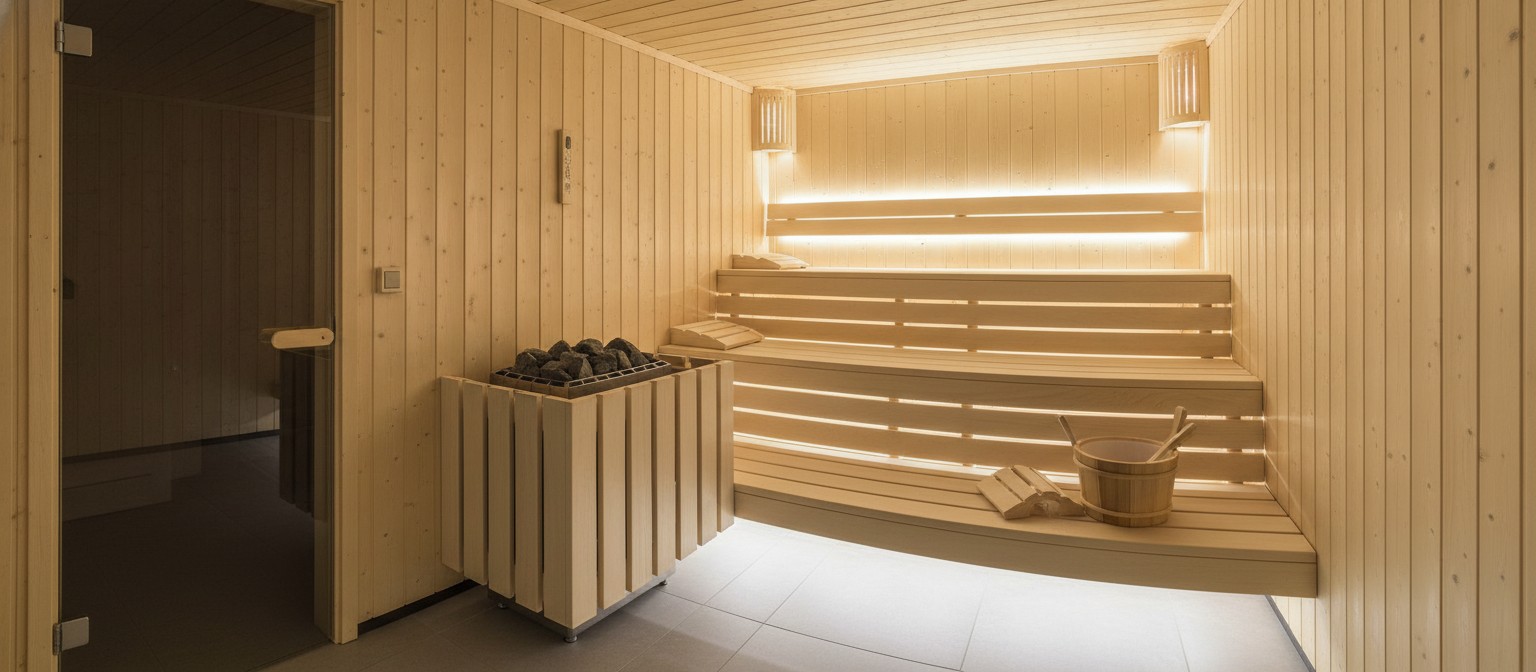
Once the site and power are understood, compare two or three models against the same list: interior bench space, exterior dimensions, heater compatibility, electrical requirements, ventilation, materials, warranty, and total installed cost. If several people will use the sauna, comparing four-person sauna layouts can make the difference between a compact bench arrangement and a cabin with room to stretch easier to see. The right capacity is the one that fits both your household and the site, rather than merely the number printed beside the product name.
Ask the supplier to resolve any missing specifications before you order. A clear drawing, installation manual, and complete list of included parts are more valuable than a vague promise of easy setup.
A final check before ordering
You should be able to answer four questions with confidence: Will the delivered cabin reach the intended location? Is there enough room to use and service it? Has a qualified electrician confirmed the power plan? And do you understand how the sauna and surrounding space will dry after each session? If any answer is uncertain, pause the purchase and solve that issue first. Good planning turns a sauna from an appealing object into a usable part of the home.

