
The EPA reports that Americans generate 16 million tons of textile waste annually, equaling just over six percent of total municipal waste. Over 10 million tons of clothing are sent to landfills annually.
According to the USDA, 30-40% of the nation’s food supply goes uneaten, amounting to 133 billion pounds and costing $161 billion annually. Worse yet, food waste is the biggest culprit in landfills and incinerators.
It’s easy to make purchases without much thought. Before you realize it, you have unworn clothes and food that spoils in the refrigerator. But what if there was a better way? Enter mindful consumption—being conscious about what you’re buying and ensuring it’s high quality, sustainable, and something you need.
What is mindful consumption?
Mindful consumption isn’t about depriving yourself; it’s about making smart choices that match your values and needs. It’s buying fewer things but making them better and appreciating what you already have. It’s also about recognizing how the things you buy impact the environment, others, and yourself.
How can you incorporate mindful consumption into your daily life? Here are some practical steps to consider, from your grocery list to your closet.

Embrace Quality Over Quantity
First, take some time before your trip to the store to plan out your meals for the week. This will help you only buy what you need and reduce impulse purchases of things you probably won’t eat.
It’s also a good idea to check out your local farmers market or stores that sell food grown nearby. Seasonal produce is often fresher and has less mileage from being transported long distances.
Aim for whole, minimally processed foods like fruits, veggies, whole grains, and lean meats. They are better for you and tend to fill you up more, so you don’t find yourself snacking as much later.
Consider cutting back on meat a little. Producing it isn’t great for the environment. Try mixing in more plant-based meals or choosing meat from humanely raised animals when you have it.
Finally, use everything wisely. Plan your portions so you use it all up. Store your food correctly so it lasts as long as possible. And get creative with leftovers instead of tossing them. You can even compost food scraps to reduce waste and nourish your garden.

Cultivate a Wardrobe with Purpose
Before shopping for new clothes, why don’t you look at what you already have? Go through your closet and drawers and remove anything you haven’t worn.
When you do need new clothes, focus on quality over quantity. Look for clothes made to last, even if they cost a little more. Clothes from fast-fashion places are cheap but usually get torn fast.
Instead, invest in some classic pieces that you’ll enjoy for years. If you’re seeking fashion one pieces then explore collections of stores like Ichelle Brands to help you make sustainable fashion choices that can last longer.
Remember secondhand stores, too. Places like thrift shops and vintage boutiques have great deals and unique things. Plus, it’s better for the environment since clothes have a second life. You can also check out resale sites online.
One more thing: pay attention to how the clothes were made. Some brands are eco-friendly and treat their workers well. Things like organic cotton and fair trade certifications are good signs.
Finally, learn some basic sewing to keep your clothes looking their best. Small rips and stains are easy to fix. And get creative. You’d be surprised what you can do by recycling old clothes into something new.

Beyond Food and Fashion: Mindful Consumption in Everyday Life
Mindful consumption is not just about being careful with groceries and clothes—it’s a mindset you can bring everywhere.
Be wary of “planned obsolescence,” which is when companies make things so that they intentionally break faster and you have to replace them. Before buying something new, consider fixing it or finding a more long-lasting option.
Next, focus on experiences instead of things. Travel, classes, and time with friends create memories that last longer than any possession. Those things also enrich your life in the long run.
Also, borrow or rent things you only need sometimes. There’s no need to buy a power tool you’ll use twice a year—just ask around first. It saves money and keeps the clutter down.
Finally, support businesses that care about ethical practices, the environment, and treating workers well. Your money tells companies what’s essential, so spend it with companies that value sustainability.
Benefits of Mindful Consumption
Being more mindful about what you consume can benefit you and the planet. It’s not just about helping the environment; it can also help reduce stress and save money.
For one thing, owning fewer things means less clutter. Can you imagine not stressing where to put all your belongings or cleaning up the mess? It would be great to have that weight lifted.
Also, being more thoughtful about what you buy prevents you from throwing your cash at things you don’t need. Over time, that can add up and leave you with more savings. Quality over quantity is the way to go.
Not only that, but focusing on experiences rather than possessions and buying things you truly believe in makes you happier overall. Feel contented about what’s in your home and how you spend your hard-earned money.
Plus, consuming less and being more sustainable brightens the future. People must do their part if they want the planet to be around for generations.
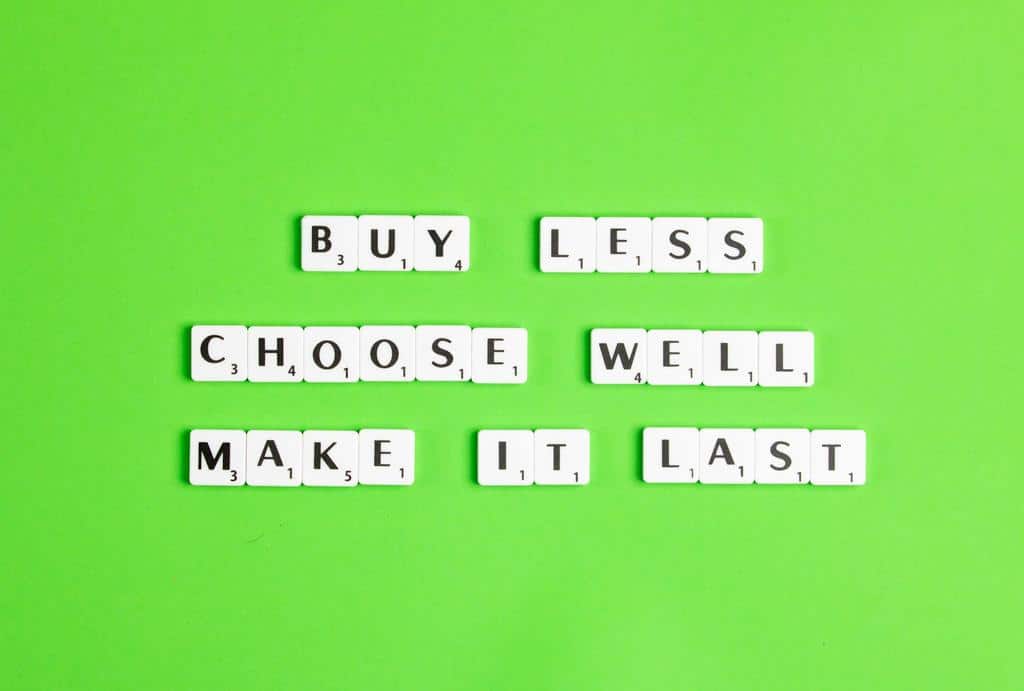
Making the Switch: Taking the First Step
Transitioning to mindful consumption doesn’t have to happen overnight. You must consistently make a conscious effort to integrate mindful practices into your everyday routine.
By incorporating these practices, you can gradually shift towards mindful consumption and positively impact your wallet, well-being, and the planet. Remember, mindful consumption is a journey, not a destination. Be patient with yourself, celebrate your progress, and enjoy becoming a more conscious consumer.


