
At a Glance
A productive allotment doesn’t require every gardening tool available. The right allotment tools simply make regular jobs easier, from preparing soil and planting crops to watering and maintaining growing areas. As your plot develops, practical additions can save time and reduce unnecessary effort. Choosing tools around the way you actually garden gives you a useful setup without filling your shed with equipment you rarely use.
If you are looking for broader ways to improve your outdoor space, our guide on how to transform your garden for spring covers practical steps that complement any allotment setup.
Start With the Tools You Use Most
Every allotment gardener needs a few reliable tools within easy reach. A sturdy spade, garden fork, hoe and hand trowel can handle the most basic jobs around your plot. From preparing beds to planting seedlings, these tools quickly become part of your routine.
It’s worth choosing carefully rather than just buying the cheapest options available. Comfortable handles, suitable weight and durable materials can make a noticeable difference when you’re working for several hours. A tool that feels good in your hands is more likely to become a favourite.
Secateurs deserve a place in your essential kit too. They can handle pruning, cutting back growth and harvesting jobs that would be awkward with larger tools. Keeping these basics clean and sharp will help them perform properly whenever you need them.
Give Your Soil the Right Support
Good crops start beneath the surface, so your soil deserves proper attention. A garden fork can break up compacted areas and improve the structure of your beds, while a spade helps with deeper cultivation and moving compost.
Once the ground has been worked, a sturdy rake can help level beds and remove stones or unwanted debris. A hoe then helps keep weeds under control between established plants. Used regularly, it can prevent small weeds from becoming a larger problem.
Your soil type should influence the equipment you choose. Heavy ground can demand sturdier tools, while lighter soil might not require that much physical effort. Understanding your plot first can therefore help you avoid buying equipment that doesn’t suit your conditions.
The Royal Horticultural Society provides detailed guidance on allotment basics and soil preparation, which can help you choose the right approach for your specific growing conditions.
Take the Effort Out of Regular Watering
Few allotment jobs become tedious faster than watering during a hot spell. Crops can need regular attention, and relying entirely on a watering can becomes increasingly demanding as your growing area expands.
A good watering can remains useful for seedlings and smaller beds. For larger areas, a hose with suitable fittings can make the job quicker and give you greater reach around the plot.
Growing under cover creates another opportunity to make watering easier. A polytunnel drip irrigation kit can deliver water directly to plant roots, helping you maintain a more consistent routine. This can be especially useful when several crops have different watering requirements.
The best system is not necessarily the most complicated one. Consider your plot size, water source and growing setup before investing in irrigation equipment. A simple system that you will use is more valuable than an unnecessarily elaborate installation.
Choose Equipment Around What You Actually Grow

Your allotment should determine your equipment, not the other way around. A gardener growing potatoes, carrots and onions will have different needs from someone concentrating on tomatoes, strawberries or climbing beans.
Simple additions can make a surprising difference. A dibber creates consistent planting holes, while plant supports keep taller crops upright as they develop. Labels can save confusion when you’re growing several varieties that look almost identical at the early stages.
Growing under glass or in a polytunnel brings further considerations. You might need equipment that supports plants, manages ventilation or keeps growing areas organised. Think about these requirements before buying anything, especially if you’re expanding your setup.
Advice from the best horticultural companies can be useful when choosing specialist equipment. Experienced suppliers can help you identify products suited to your growing conditions, rather than just filling your shed with tools.
Make Harvesting and Everyday Jobs Easier
Allotment work doesn’t suddenly become easier once your crops start producing. In fact, harvesting, pruning, tying and clearing growth can quickly become some of your most frequent jobs.
A sturdy basket or bucket gives you somewhere practical to collect produce as you move between beds. Garden twine and plant ties can support climbing crops while keeping sprawling growth under control.
Comfort matters during these jobs too. A good pair of gloves protects your hands from rough stems and damp soil, while a kneeling pad can make planting and weeding less uncomfortable.
These additions might not seem exciting, but they earn their place by being useful. The equipment you reach for every week will usually prove more valuable than something designed for one unusual task.
Keep Your Tools Ready for the Next Visit
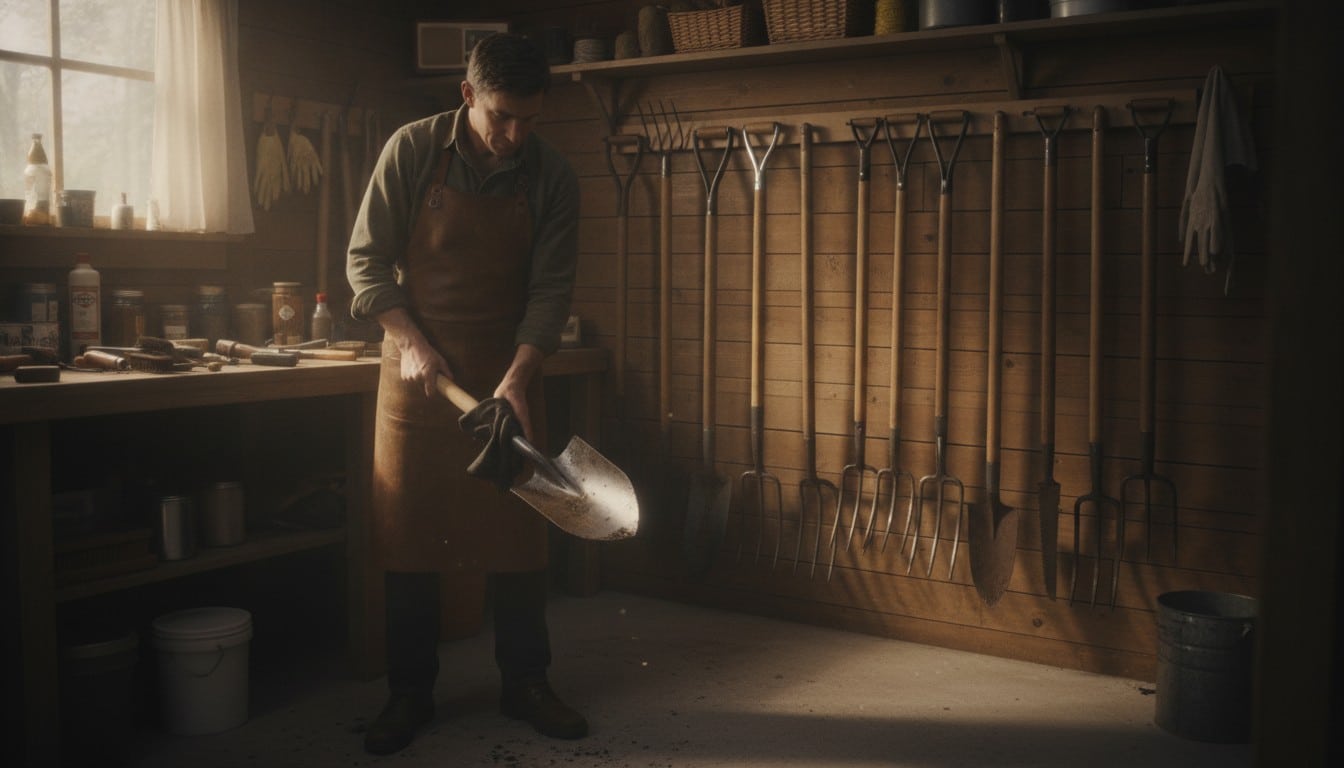
Looking after your equipment can extend its useful life and save you from unnecessary replacements. Remove soil from spades, forks and hoes after use, especially when they have been working through wet ground.
Secateurs need particular attention because clean, sharp blades make pruning easier. Wiping them down and checking their condition regularly can help keep them working properly throughout the growing season.
Storage also deserves some thought. Keeping frequently used tools somewhere accessible means you can grab them quickly when visiting for a short task. An organised shed or storage area can prevent useful equipment from disappearing beneath tools you rarely use.
A little maintenance after each visit can therefore make the next one easier. You spend less time searching, cleaning or fixing equipment and more time getting on with the work you came to do.
In Conclusion
A productive allotment doesn’t depend on having every gardening tool available. The best setup combines dependable basics with equipment that solves genuine problems around your particular plot. Start with the tool you use most, then introduce specialist equipment as your growing methods develop.
Think about what makes your regular jobs difficult and choose equipment accordingly. Better soil tools, practical irrigation and comfortable harvesting tools can reduce unnecessary effort. With the right setup, your tools become part of a smoother routine rather than another thing to manage.

