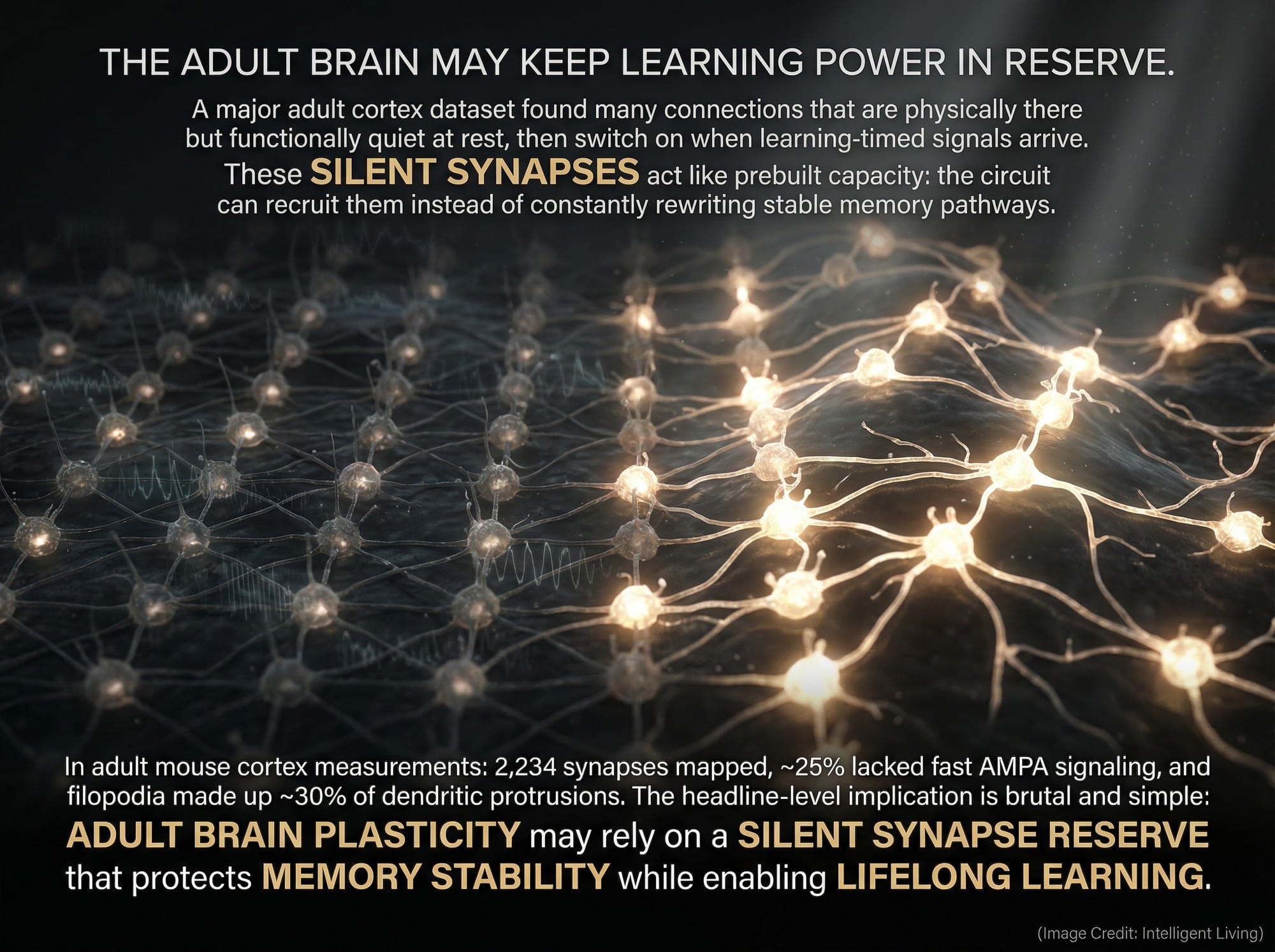
New research reveals that adult cortices harbor dormant structural connections that activate only upon specific learning signals, fundamentally redefining our understanding of adult brain plasticity.
Recent reports detailing the discovery of silent synapses in adult brains have brought a pivotal 2022 dataset back into public awareness. Current evidence suggests adult learning relies on a hidden reserve system rather than the continuous rewriting of existing circuitry. Utilizing these standby connections, the brain maintains a delicate balance between stability and the flexibility needed to absorb new skills.
Synaptic standby capacity allows for the acquisition of complex habits without disrupting the foundational knowledge spent years accumulating. Imagine the brain as a modular workspace where new desks are already built but remain unoccupied, waiting for the right molecular instructions to come online.
Silent Synapses in Adult Brains: Core Research and Plasticity Evolution
Key Evidence: Established Facts on Adult Silent Synapse Prevalence
- Study Type: Peer-reviewed imaging and physiology in adult mouse primary visual cortex, documented through rigorous filopodia-hosted silent synapse evidence, which aligns with direct receptor mapping data.
- Timing: The research was published in late 2022, refined by institutional perspectives like the MIT silent synapse research summary, which distinguishes between measured data and broader inferences.
- Core Idea: Scientific literature now characterizes adult reserve-pool models as primary mechanisms for cortical plasticity. Synthesis work, including the Annual Review of adult silent synapse evidence, evaluates current findings across the adult lifespan.
- Mechanistic Signature: AMPA receptors drive fast currents, while NMDA receptors act as coincidence detectors, as the foundational glutamate receptor biology reveals how AMPA scarcity maintains synaptic silence at rest.
- Biological Constraints: Current evidence is derived from mouse circuit models; consequently, human prevalence and functional roles require further investigation.
What Happened: Scientists Found a Hidden Pool of “Quiet-Until-Needed” Synapses
What the Team Measured in Adult Mouse Cortex
Researchers analyzed thousands of synaptic contacts on adult mouse cortical neurons through molecular imaging and electrophysiological recordings to verify functional transmission. Rather than observing a fully active cortex, researchers identified numerous structural synapses that remained functionally dormant under resting conditions. The prevailing data suggests these contacts maintain the structural scaffolding of a synapse but lack the AMPA receptor density required to generate the fast depolarizing current indicative of functional transmission.
Primary measurements are verified by accessing the original Nature paper dataset via PubMed to see the specific measurements anchoring the result.
Why Filopodia Made the Result Hard to Ignore
Dormant contacts are not mere developmental remnants. The study identifies a high density within filopodia—thin dendritic protrusions—indicating a greater prevalence in adult tissue than earlier estimates suggested. Additional analysis of adult mouse silent synapse reserves highlights the unexpected abundance of these dormant connections.
The transition from effort to automaticity mirrors neural timing. Synaptic recruitment ensures that only connections reinforced by coordinated activity become reliable functional pathways.

How Silent Synapses Switch On: Cellular Mechanisms and Learning Models
How It Works Without the Jargon: NMDA-Only Synapses and the “Switch On” Moment
Why NMDA-Only Synapses Are Functionally Silent
Synapses communicate using glutamate-sensitive receptors, primarily through two distinct families that dictate functional timing.
- AMPA receptors: These generate the fast excitatory current required to depolarize the receiving neuron rapidly.
- NMDA receptors: Gated by magnesium ions at rest, these only permit current flow after the membrane achieves a specific depolarization threshold.
The absence of AMPA receptors prevents the initial voltage shift necessary to unlock NMDA channels. Consequently, glutamate release fails to activate the contact, leaving the synapse functionally quiet during standard neural activity.
The magnesium gate acts as a critical biophysical barrier. As described in the NMDA activation and magnesium block overview, this gating maintains structural integrity while preventing activation during low-level neural activity.
How Activity Recruits AMPA Receptors and Unsilences a Synapse
When presynaptic input arrives together with postsynaptic depolarization, NMDA receptors can pass current and trigger signaling cascades that traffic AMPA receptors into the postsynaptic membrane. Once AMPA receptors are inserted, the synapse achieves fast excitatory transmission at resting potentials, integrating into active functional networks.
This receptor recruitment overlaps with well-studied mechanisms of synaptic plasticity, including long-term potentiation. The Lüscher and Malenka research on synaptic plasticity outlines the specific steps connecting NMDA signaling to AMPA redistribution.
Manual skill acquisition offers a parallel: a keyboard shortcut becomes fluid when quiet contacts gain fast transmission, removing the hesitation seen in early learning stages.
Systemic Efficiency: Encoding New Memories Without Data Overwrite
A Built-In Compromise Between Stability and Flexibility
Hyper-plastic circuits risk the rapid erasure of established neural patterns, whereas overly rigid connections impede efficient skill acquisition. A reserve of silent synapses provides the necessary middle ground. Stable synapses preserve long-term architecture, whereas silent contacts provide standby resources recruited when learning requires additional functional capacity.
Why a Reserve Pool is a Low-Cost Upgrade Path
This strategy is efficient because it reduces the need for continuous structural remodeling. Instead of building and removing circuits wholesale, the brain can retain scaffolding that becomes functional with a targeted molecular change. Functionally, a reserve pool behaves like prewired capacity that needs the right molecular parts installed before it carries a load.
Calculations regarding human brain synaptic storage capacity suggest a massive scale for information retention, while silent synapses provide spare bandwidth for encoding without disrupting existing data.
Mapping the Invisible: Expansion Microscopy and Synaptic Dataset Validation
Technological Breakthroughs: Imaging Synaptic Scaffolding with eMAP and Expansion Microscopy
Why Physical Expansion Helps at Synaptic Scale
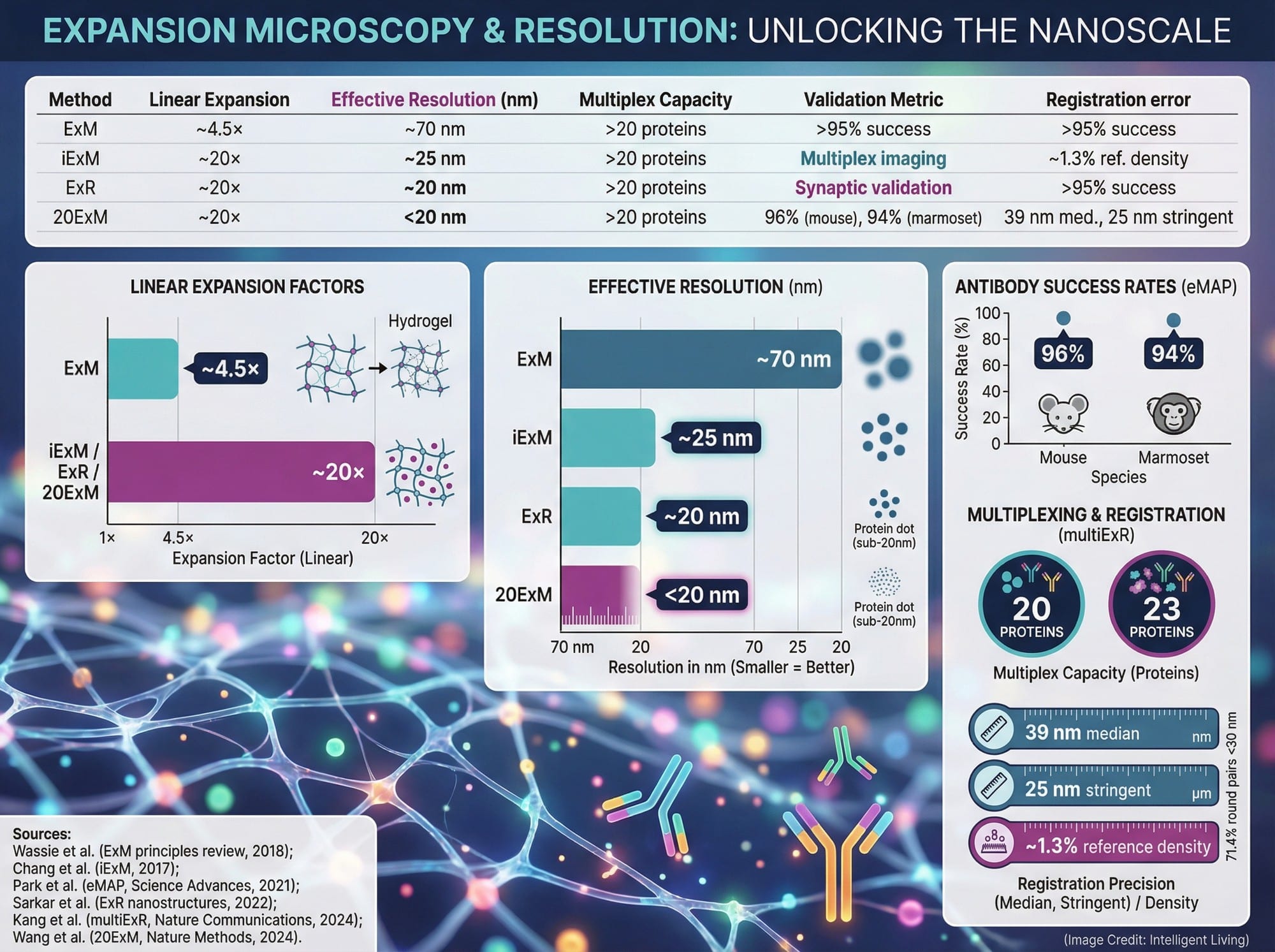
Mapping synaptic proteins at scale remains challenging due to the extreme density and microscopic size of these structures. Protein-preserving expansion methods physically expand tissue while keeping protein epitopes accessible, so common optical microscopes can resolve details that would otherwise blur together.
The methodology inherent in expansion microscopy for high-resolution imaging utilizes physical expansion to resolve molecular signals. This methodology converts theoretical hypotheses into quantifiable data regarding receptor-negative contacts.
What eMAP Adds for Protein Labeling
The eMAP protein-preserving expansion approach lays out how epitope preservation enables dense labeling at the synaptic scale, which matters when identifying receptor presence at individual contacts. Findings published in Frontiers regarding expansion microscopy in connectomics clarify the role of optical expansion in brain mapping.
Technological advancements redefine biological inquiry boundaries. For example, the way advanced microscopy is reshaping biomedical research illustrates how higher resolution converts concepts to quantifiable data.
Empirical Boundaries: Validating Mouse Data and Cross-Species Convergence
What the Mouse Data Can Support
The core dataset utilizes the adult mouse primary visual cortex as a powerful model system. This evidence supports the claim that adult cortical tissue harbors abundant structural contacts that remain functionally quiet until activity-dependent mechanisms recruit them.
What Still Needs Human Evidence
Nuanced interpretations require caution regarding species differences. Technical accuracy requires interpreting ‘adult brain’ as shorthand for ‘adult mouse cortex’ unless specified otherwise by the context.
Why “Millions” is a Scale Inference
“Silent synapse” has a real experimental history, but interpretation can be context-dependent. This has been debated for decades, with Kullmann’s review of silent synapses providing critical analysis of measurement caveats and competing mechanisms.
The most accurate interpretation suggests that measured fractions imply a large reserve at an organism scale. One should not assume any single experiment has directly tallied millions within a specific human brain.
Research Applications: Six Domains Shaping Adult Brain Plasticity Models
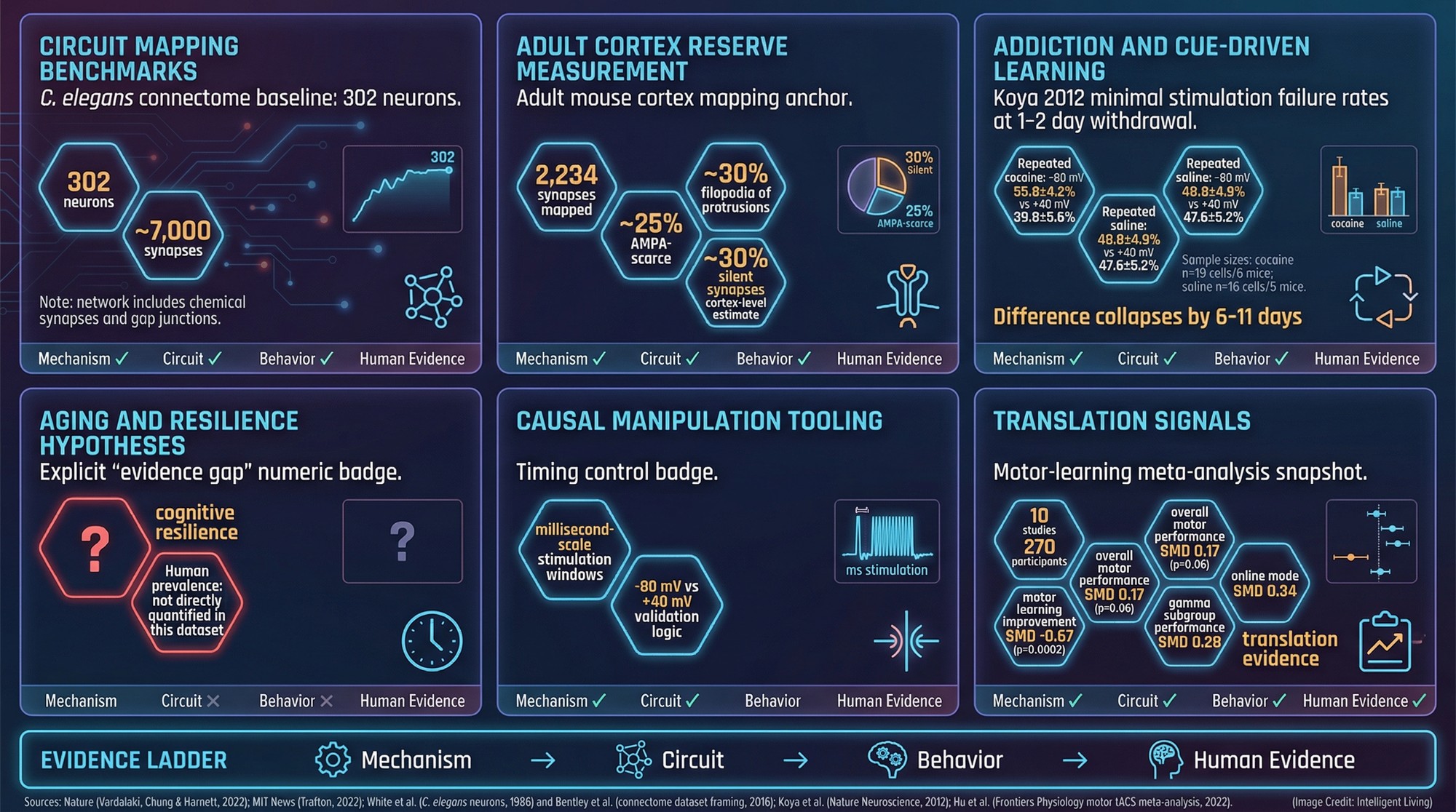
1) Synapse Mapping at Scale
Labs are pairing molecularly detailed imaging with computation to build synaptic atlases that distinguish active contacts from reserve reserves. Successes in mapping the complete wiring diagram of a nervous system prove that network structure is now a measurable layer.
State-based classification is vital. If synapses exist in multiple functional states, mapping must account for receptor presence to accurately estimate learning capacity.
2) Memory Models That Combine Fast and Stable Learning
The reserve model reconciles rapid memory encoding with long-term circuit stability. Rather than assuming every synapse requires rewriting for learning to occur, models now assign capacity to the recruitment of silent contacts. This approach directly addresses the stability-plasticity constraint observed across diverse adaptive systems.
Functional reserve models explain rapid information absorption without data erasure, facilitating seamless skill refinement.
3) Addiction and Maladaptive Learning Studies
Silent synapse dynamics suggest a mechanism for how circuits become primed before any outward behavior changes. Detailed research into cocaine-associated silent synapse dynamics shows how specific drug experiences generate dormant connections that eventually mature.
Lived experience reflects this difficulty: a single cue can trigger a relapse cycle before a person notices it starting. This reality is addressed by investigating how long it takes to rewire the brain after addiction during the recovery process.
4) Aging and Resilience Hypotheses
Varying reserve capacity across the lifespan potentially dictates the ease of adopting new routines. Whether multilingualism protects the aging brain exemplifies the complex interplay between lifestyle factors and neurobiological resilience.
Aging-related fluctuations in reserve pools potentially dictate the ease of adopting new routines, explaining variance in cognitive flexibility.
5) Toolchain Expansion From Imaging to Manipulation
Imaging identifies receptor distributions, but the next phase requires causal intervention. Making optogenetics essential for synaptic plasticity experiments separates theoretical narratives from biological facts.
Direct timing tests link receptor stories to behavioral outcomes, providing the missing bridge between molecular changes and skill acquisition.
6) Translational Searches for Therapeutic Windows
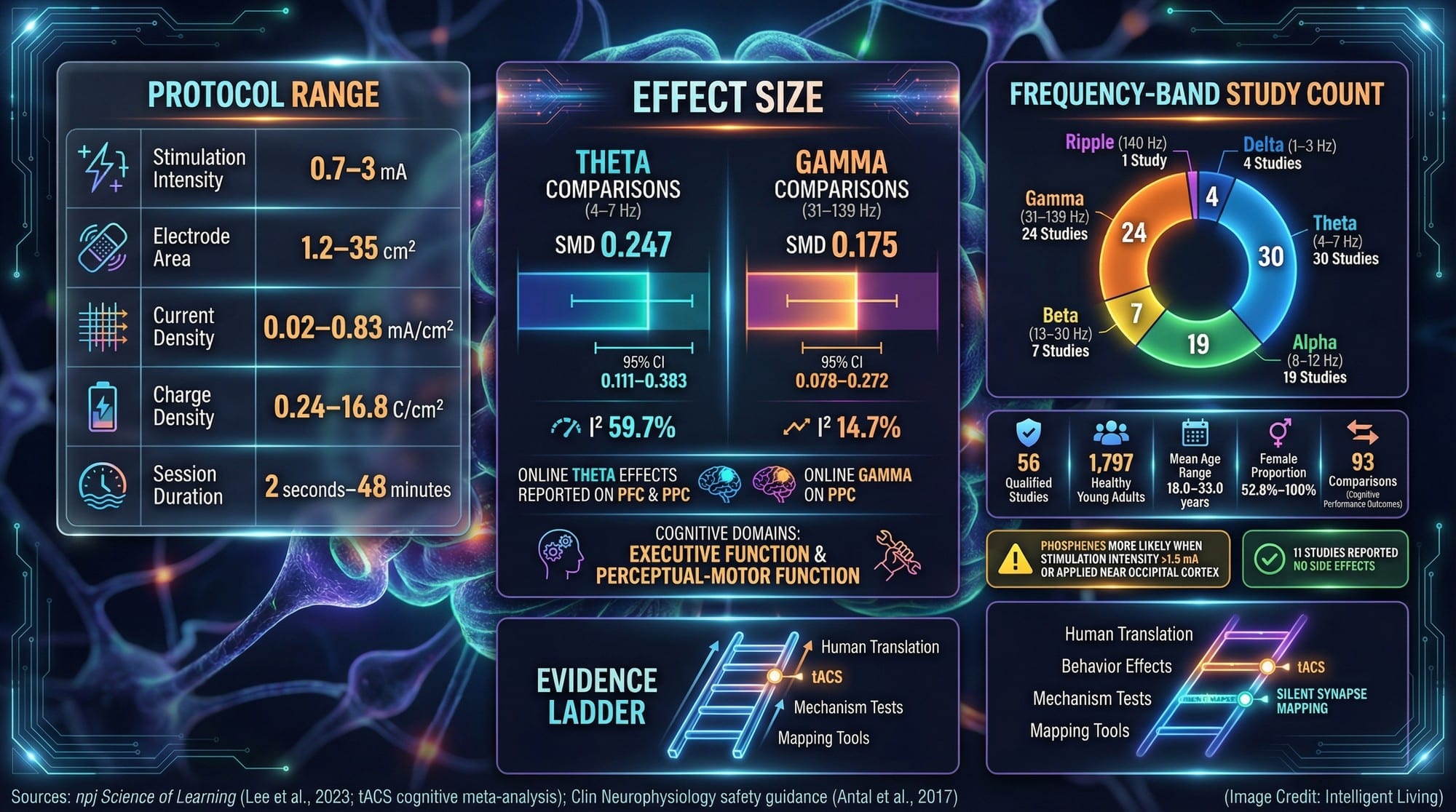
Translational efforts often begin with noninvasive probes. For instance, neurostimulation enhances learning and memory by altering circuit excitability.
Potential clinical impact depends on effect size and durability. Cautious language regarding human application remains a mark of scientific accuracy rather than hedging.
Future Frontiers: The Neuroplasticity Race and Therapeutic Potential
The Plasticity Race: Modulating Circuit Architecture for Cognitive Gains
Modern methods for modulating circuit adaptation now include:
- Advanced imaging to render hidden structures measurable.
- Targeted stimulation protocols.
- Specialized pharmacology.
- Intensive behavioral training.
Mapping, Modulating, and Not Mixing Categories
Distinguishing between biological categories is essential for accurate modeling:
- Structural/Receptor Level: Represented by the silent synapse reserve pool.
- Pharmacological Level: Comprising plasticity-boosting agents, such as the non-hallucinogenic psychoplastogen JRT.
This separation ensures that intervention strategies are mapped to the correct physiological mechanisms. Agents like the psychoplastogen JRT represent a future landscape for modulating circuit reserves in specific pathways.
Where Behavior Still Wins
Bottlenecks encountered in brain-to-text decoder training reveal the speed at which algorithms must synchronize with neural systems under repeated practice. Modern skill acquisition still relies on very old, physical biological adaptations.

Adult Neuroplasticity: Optimizing the Stability versus Flexibility Dilemma
Evidence suggests the adult cortex functions as a dynamic system by:
- Utilizing a strategic reserve of recruitable synapses.
- Enabling seamless memory encoding without data overwrite.
- Expanding functional bandwidth in response to new challenges.
This strategic approach to learning preserves stable knowledge while accommodating fresh information. Maintaining this capability favors consistent cognitive engagement and structured recall. While augmenting memory palaces with AI and AR creates external frameworks for data, the biological foundation remains the activation of quiet synapses. Future human trials will determine how we can best prime these reserves through intentional practice.
Learning FAQ: Understanding Silent Synapses and Memory Reserve Systems
What are silent synapses in the adult brain?
Silent synapses are structural connections that remain functionally quiet at rest because they lack the AMPA receptors needed for fast excitatory transmission.
Why are some brain synapses quiet?
The magnesium gate on NMDA receptors prevents current flow during normal activity; without the initial ‘kick’ from AMPA receptors, these contacts stay silent.
How does a synapse become unsilenced?
Coordinated neural activity triggers a signaling cascade that inserts AMPA receptors into the postsynaptic membrane, a process quantified through AMPA receptor trafficking assays that measure the shift from dormant to active states.
Can the adult brain create new connections for learning?
Yes, while the brain can build new structures, it often relies on this hidden reserve of pre-existing silent synapses to rapidly increase learning capacity without major remodeling.
Is there a hidden memory reserve in adult brains?
Research in mice confirms a large pool of these standby resources exists, suggesting that adult learning is more about activating a reserve system than building from scratch.