
When you think about Arizona, you probably imagine blazing hot summers, stunning desert scenery, and those sudden, intense monsoon storms. But have you ever thought about what all that extreme weather does to your roof?
If you’re a homeowner in Arizona, paying attention to your roof is just as crucial as keeping your air conditioner running. Let’s dive into why regular roof inspections are an absolute must for anyone calling the Grand Canyon State home.

The Impact of Arizona’s Climate on Roofs
First off, let’s talk about that relentless Arizona sun. The extreme heat and intense UV radiation here are no joke. Over time, they can cause your roofing materials to expand and contract repeatedly, leading to brittleness and cracks.
This isn’t just a minor inconvenience—it’s the start of what could become a much bigger problem. Prolonged sun exposure can cause colors to fade and materials to deteriorate, making your roof appear old and worn out before its time.
Then there’s the monsoon season. Picture this – high winds, heavy rain, and sudden storms that seem to come out of nowhere. These monsoons can wreak havoc, tearing off shingles, causing leaks, and even leading to structural damage. Water can seep into these newly formed cracks and exacerbate any existing weaknesses, leading to more severe problems.
And let’s not forget those infamous dust storms or haboobs, which can deposit dirt and debris all over your house. Debris can block your gutters and downspouts, leading to water backup. This can potentially damage both your roof and the interior of your home. Additionally, accumulated debris retains moisture, further deteriorating the roofing materials.

Identifying and Preventing Damage
Common Types of Roof Damage
Regular roof inspections are like health checkups for your home. You might not see any problems from the ground, but that doesn’t mean they’re not there. Common issues include cracks, leaks, and missing shingles or tiles. Damage to flashing and seals around vents and chimneys is also common. These components play a critical role in preventing water intrusion and helping maintain the overall integrity of your roof.
The Importance of Early Detection
Early detection is key—catching these problems before they snowball into major headaches. Imagine a small crack that goes unnoticed. Over time, rainwater seeps in, the crack widens, and before you know it, you’re dealing with water damage inside your home. Regular inspections can prevent this, saving you a ton of stress (and money) down the line. Identifying issues early and promptly making repairs can significantly extend your roof’s life. This approach also helps you avoid more costly repairs in the future.
Frequency and Timing
Let’s face it: your home is probably one of the biggest investments you’ll ever make. Keeping the roof in top shape not only maintains but can even enhance your property value. It boosts curb appeal and reassures potential buyers that the house has been well cared for. This feature can serve as a major selling point in a competitive real estate market.
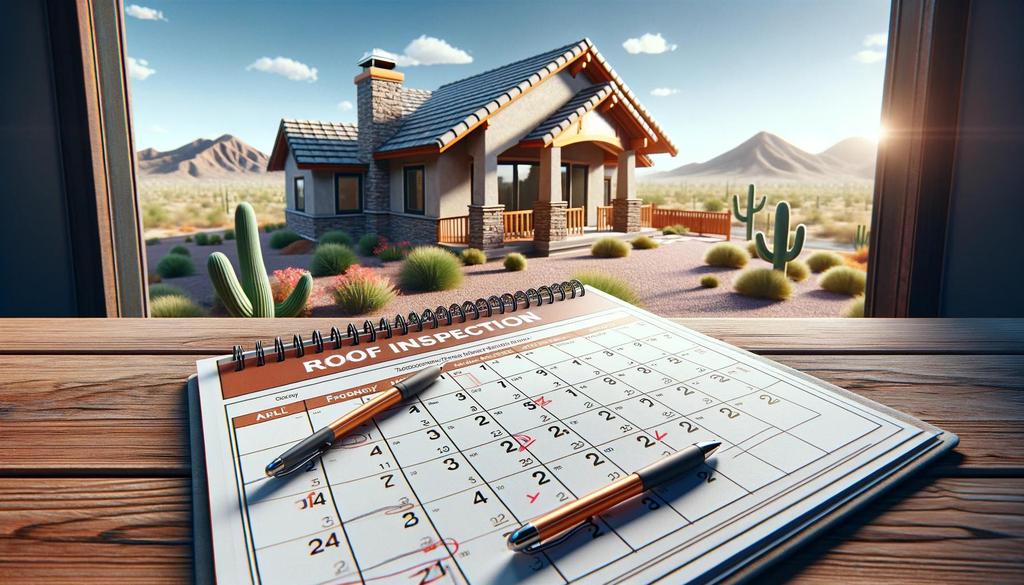
So, how often should you be inspecting your roof? Experts recommend inspections twice a year, ideally in the spring and fall. This way, you’re prepping for the harsh summer and cleaning up any damage post-monsoon. Spring inspections can help identify any damage that occurred during winter, while fall inspections prepare your roof for the cooler months and the next monsoon season.
It’s also wise to check your roof after any severe weather events. High winds and heavy rains can cause immediate damage that, if left unaddressed, could lead to bigger problems. Regular inspections offer peace of mind, ensuring your roof remains in good condition and ready to protect your home throughout the year. A quick check after a storm can identify problems early, preventing them from turning into costly repairs.
What to Expect During Professional Roof Inspection
The Process
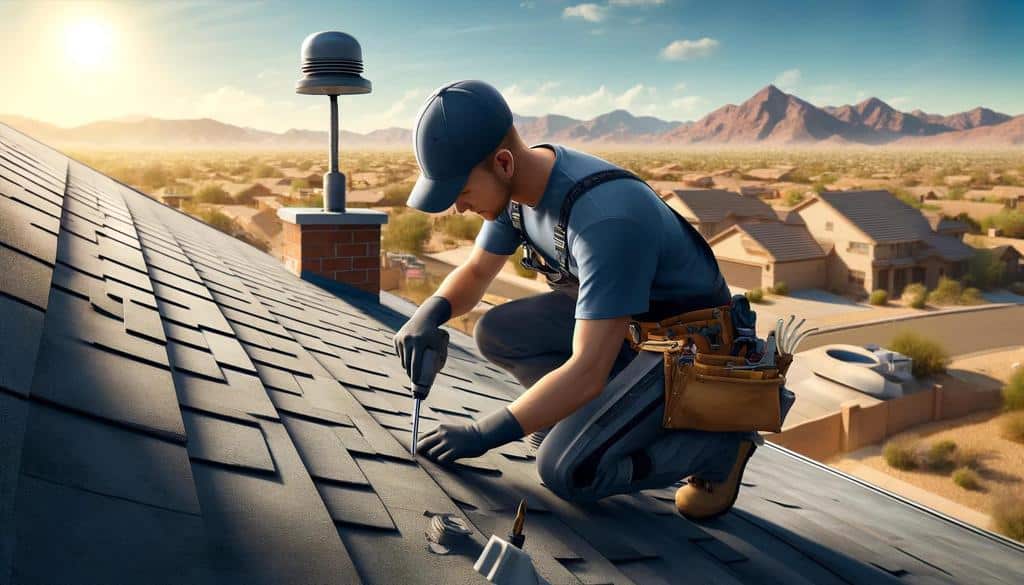
So, based on everything already stated, if you live in Arizona, you might be wondering what exactly happens during a professional roof inspection. Well, it’s pretty thorough. A professional will start with a visual inspection of the exterior, looking for signs of wear and damage. Inspectors will look for loose or missing shingles, damaged flashing, and any debris impacting your roof. They use specialized tools to closely examine hard-to-reach areas.
Key Areas of Focus
The inspector will also examine your attic and interior ceilings for signs of leaks or water damage. Key areas of focus include the shingles or tiles, flashing, gutters, downspouts, and seals around vents, chimneys, and skylights. Essentially, they’re looking at every potential weak spot that could lead to trouble. By identifying these areas early, they can recommend repairs before problems become severe.

DIY Inspections vs. Professional Inspections
Simple Checks for Homeowners
While it’s always good to keep an eye on your roof, there’s a big difference between a DIY inspection and a professional one. Simple checks you can do yourself include:
- Observe the roof from the ground for any obvious issues.
- Checking gutters for granules or debris.
- Looking for signs of water damage inside your home.
These simple tasks can help you spot potential problems early.
Advantages of Professional Inspections
However, hiring a professional brings significant advantages. Their expertise allows them to detect subtle signs of damage that you might overlook. They also have access to specialized tools and equipment, ensuring a thorough and comprehensive assessment. It’s like comparing a quick glance to a detailed doctor’s examination—both are good, but one is definitely more reassuring. Professionals can also provide detailed reports and recommendations for maintenance and repairs.

Benefits of Regular Inspections
Regular inspections do more than just catch problems early—they can prolong your roof’s lifespan. You can avoid major repairs or an untimely roof replacement by addressing issues early. This proactive approach saves you considerable money over time. Routine maintenance ensures your roof stays in excellent condition for years.
Moreover, a well-maintained roof enhances your home’s energy efficiency. Proper insulation and ventilation keep your home cooler in the summer and warmer in the winter, reducing your energy bills and enhancing your living comfort. Investing in regular inspections can lead to substantial savings in heating and cooling costs.
Guide to Regular Roof Inspections for Arizona Homeowners
To sum up, regular roof inspections are a no-brainer for Arizona homeowners. They help you stay ahead of potential problems, protect your home’s value and safety, and save you money in the long run. By proactively maintaining your roof, you ensure your home remains safe and comfortable and retains its value as an investment.


