
After more than a century of absence, bison rewilding in northern Mexico is working faster than anyone expected. In 2025, conservationists returned 47 American bison to El Santuario in Cuatrocienegas, Coahuila, and within months the degraded Chihuahuan Desert grassland began to recover on its own. Hidden cameras now capture pumas, lynxes, and collared peccaries returning, while birds line nests with shed bison fur.
This is the third conservation herd in Mexico and a powerful example of how bringing back a keystone herbivore can heal soil, water cycles, and biodiversity at once. Here is what happened, why this desert matters, and how bison act as landscape architects.
47 Bison Return to Cuatrocienegas After 160 Years
In August 2025, three bison were introduced to El Santuario Reserve in a collaboration between the Fundacion Pro Cuatrocienegas leading the restoration effort and the Museo del Desierto in Coahuila. In November 2025, 44 more animals followed, 38 females and six males, bringing the total to 47.
Most of the second group came from Rancho El Uno in the Janos Biosphere Reserve in Chihuahua, Mexico’s first conservation herd, which now numbers around 500 animals. The project also involved the National Commission of Natural Protected Areas and the Mexican Fund for the Conservation of Nature.
American bison were hunted to extirpation in this region in the 19th century, about 160 to 200 years ago. Gerardo Ruiz Smith, director of the foundation, called the return a historic moment and said it offers hope to see the impact of simply bringing back a fundamental species that was there before and should be there.
Why Cuatrocienegas Matters for Biodiversity
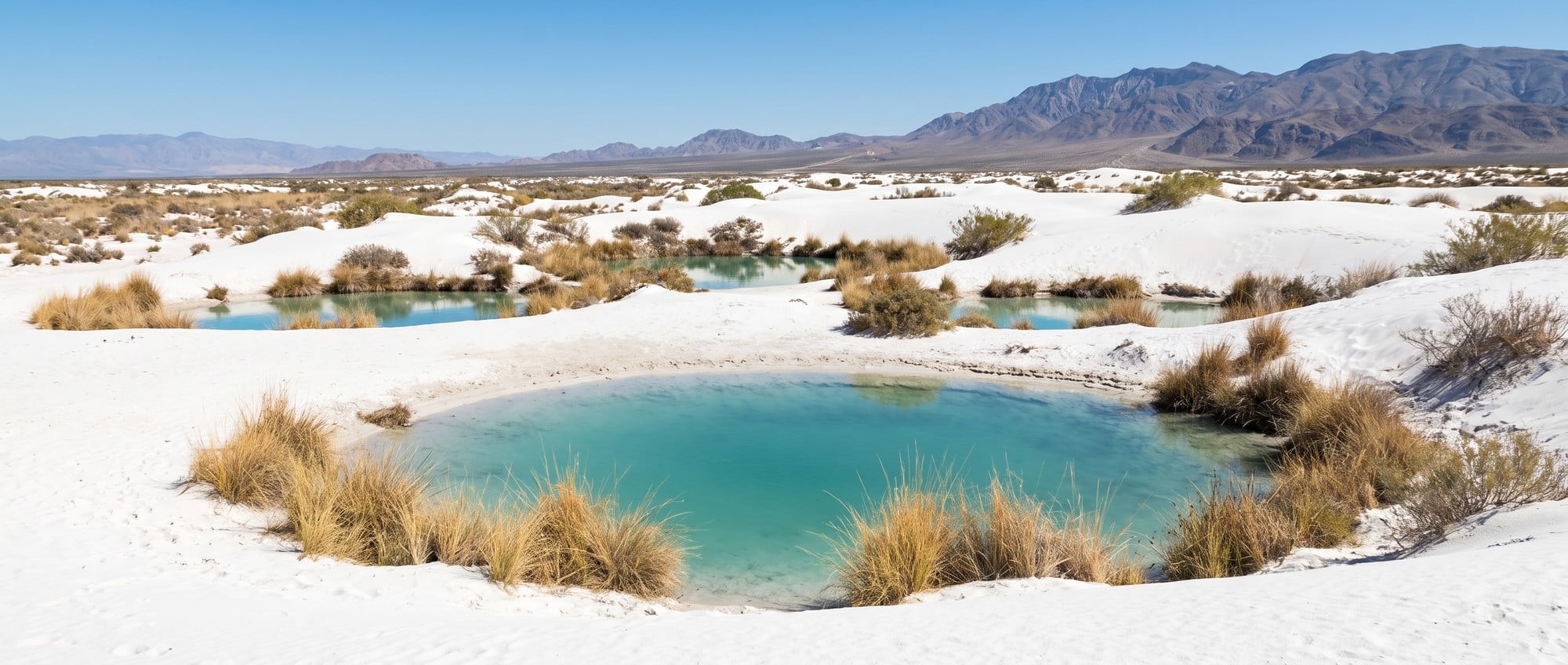
Cuatrocienegas is a federally protected flora and fauna area of about 84,000 hectares, recognized by UNESCO as a biosphere reserve of global importance. It is famous for white gypsum dunes and bright blue pools that hold ancient microbial communities found almost nowhere else.
The valley shelters several hundred plant and animal species, including many that UNESCO lists as critically vulnerable or endangered. El Santuario itself covers about 4,000 hectares in the Sierra de Menchaca, near the town of Cuatro Cienegas. It was a former cattle ranch degraded by overgrazing, erosion, and desertification, which made it an ideal test for restoration by grazing done right.
How Bison Heal Grasslands as Ecosystem Engineers
Ruiz Smith describes bison as true ecosystem engineers and landscape architects that mold and regenerate their surroundings with every step. The mechanism is physical, not symbolic.
- Grazing reduces fire fuel: Eating dry grasses removes flammable material, lowering wildfire outbreak and spread.
- Hooves till the soil: Animals weighing up to 1,700 pounds break hard crusts as they run, creating openings that let rare desert rain infiltrate instead of running off.
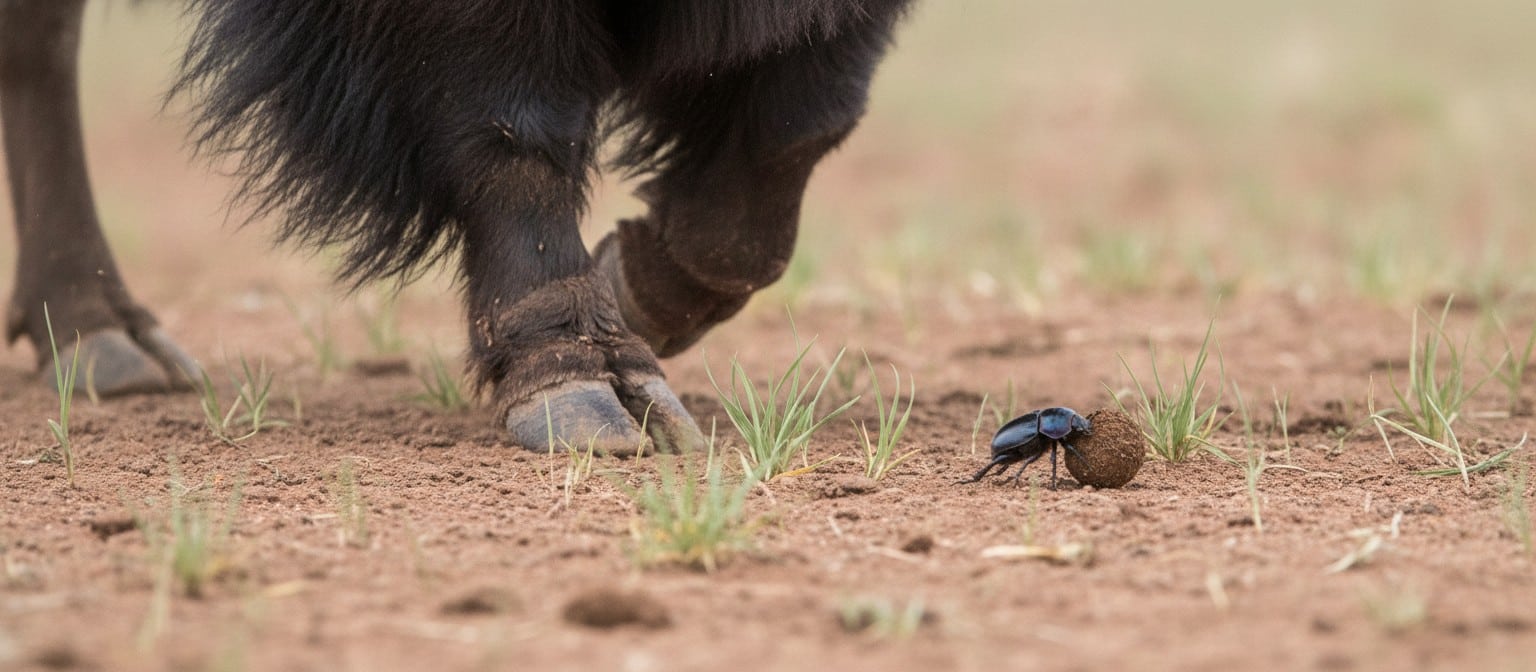
- Dung builds fertility: Manure attracts dung beetles, which bury waste, add nutrients, and aerate the subsurface, a process documented in research on dung beetle soil benefits.
- Fur spreads seeds: Seeds tangle in thick coats and shake loose as herds roam, while grazing stimulates fresh regrowth and plant diversity.
The result is more water in the soil, more seedlings, fewer fires, and richer food webs. Similar grazing effects have been studied in other rewilding projects, including work showing how herds of grazing reindeer could save the permafrost by trampling and nutrient cycling.
Mexico’s Wider Bison Comeback
The American bison once ranged from Canada to northern Mexico, with tens of millions of animals shaping grasslands. By the late 1800s, hunting had reduced the species to a few hundred. The historic range of American bison included the grasslands of Chihuahua and Coahuila, where this project restores the southern tip.
Mexico now has three conservation herds, anchored by Janos and joined by El Santuario. The strategy mirrors other successful returns, such as the way Tasmanian devils were reintroduced into the wild after 3,000 years to restore missing ecological functions. Conservation of the American bison depends on connected herds with enough females to grow, which is why the 38 to 6 female to male ratio in Coahuila matters for calves in coming years.
Bison Rewilding Around the World Compared
American bison rewilding is part of a global movement that also uses European bison to restore woodlands and grasslands. Projects differ by species, habitat, and goal.
| Project | Species | Habitat | Goal |
|---|---|---|---|
| El Santuario, Mexico | American bison | Chihuahuan Desert grassland | Reverse desertification, restore water infiltration |
| Janos, Mexico | American bison | Chihuahuan grassland | Source conservation herd of about 500 |
| American Prairie, USA | American bison | Northern Great Plains | Rebuild large prairie herd and migration |
| Romania Carpathians | European bison | Mountain forest meadow | Restore forest grazing and predators |
| Kent Blean Woods, UK | European bison | Managed woodland | Control bracken, open canopy for diversity |
In the United States, bison conservation groups continue to expand herds on tribal and prairie lands, a trend reflected in creative reuse ideas like the plan where Illinois wants to turn an old bridge into a national park for buffaloes.
Frequently Asked Questions About Bison Rewilding
Are American bison extinct in Mexico?
No. They were extirpated from the wild in Mexico in the 19th century but survived in the United States and Canada. Reintroduced conservation herds at Janos and now Cuatrocienegas have reestablished wild bison in Mexico, with about 500 animals at Janos plus 47 at El Santuario.
What is bison rewilding?
Bison rewilding means returning bison to native habitat so their grazing, trampling, dung, and seed dispersal restore natural processes without constant human intervention. In Cuatrocienegas, bison are used as biological tools to fix compacted soil and restart grassland dynamics.
What is the difference between European bison and American bison?
Both are wild cattle of the genus Bison, but American bison are generally heavier with a larger shoulder hump and thicker winter coat, adapted to open plains and deserts. European bison are slightly leaner and adapted to forests and meadows. Both serve as keystone grazers in rewilding projects.
How many bison are left in the wild?
Roughly 400,000 to 500,000 American bison exist, but most are in commercial herds. Only a fraction live in free-roaming conservation herds managed for ecology. That is why new wild herds like the one in Coahuila matter far beyond their number.
What This Comeback Means for Deserts Everywhere
Cuatrocienegas shows that deserts degraded by livestock can rebound when the right native grazer returns. Bison do in months what planting alone could not do in years: open soil, hold water, cycle nutrients, and invite predators, birds, and insects back. If 47 animals can restart a desert ecosystem, larger connected herds could stabilize grasslands across North America as climates grow hotter and drier.


