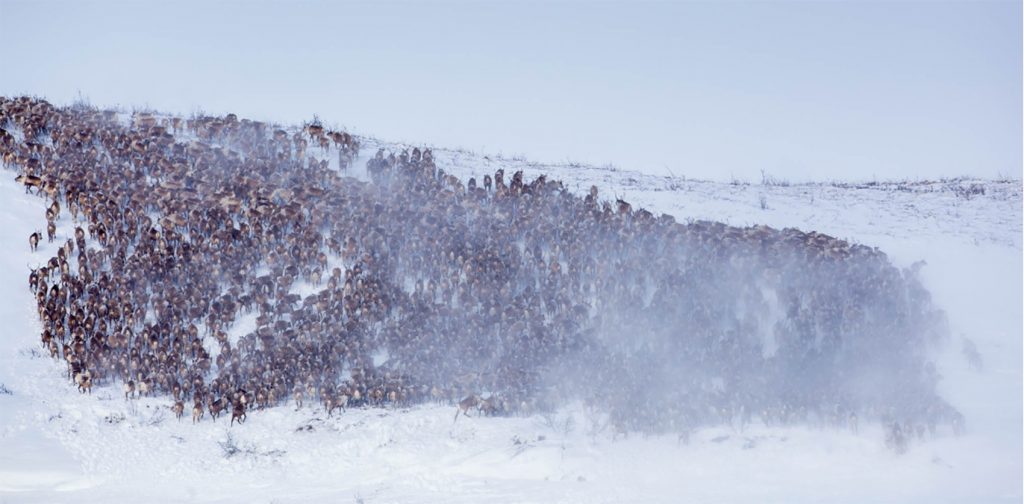
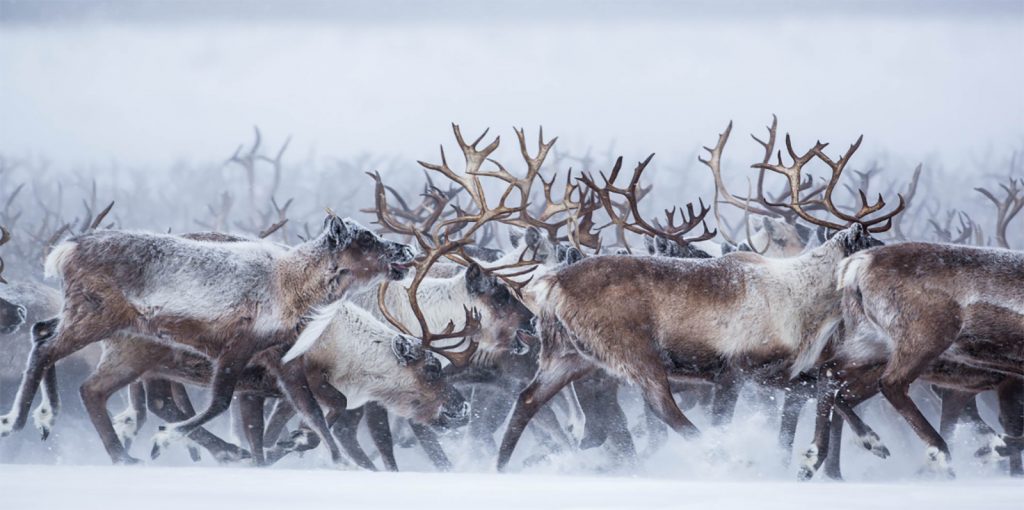
Rising temperatures and climate change are causing the Arctic winters to be warmer, causing permafrost to melt away slowly. Permafrost is soil that stays frozen for two or more years, found on land or under the sea. The thick frozen soil stores one of the largest natural reserves of carbon in the world. Permafrost can be the first layer on the ground, an inch deep, or miles deep into the Earth’s surface.
As the permafrost thaws, it releases potent greenhouse gases that speed up climate change. Scientists from Universität Hamburg’s Center for Earth System Research and Sustainability found that resettling massive herds of large herbivores, including reindeer, horses, and bison could curb this effect and save up to 80% of the world’s permafrost soils until 2100.
Christian Beer, the lead scientist in the study, published in the Nature journal Scientific Reports, focuses the research on “ecosystem management practices” that “integrate fauna dynamics into complex Earth System models.”
The Mammoth Steppe Ecosystem
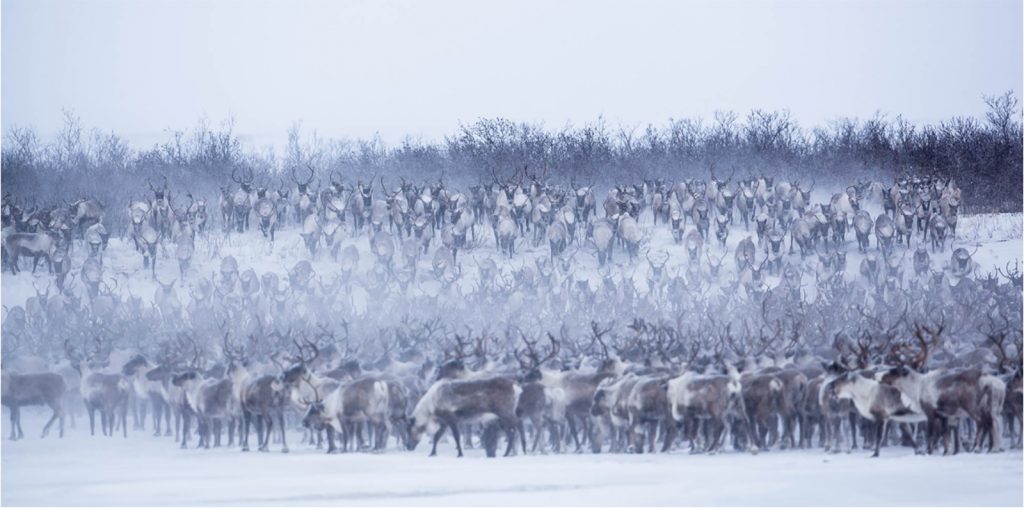
In the late Pleistocene period, roughly 0.126 – 0.012 million years ago, large herds of herbivores roamed the lands of Northern Eurasia, forming a natural grassland ecosystem in the Arctic known as the mammoth steppe ecosystem. Beer drew inspiration for his study from this natural ecosystem.
The mammoth steppe pulled large quantities of carbon from the Earth’s atmosphere into the soil, where it froze and stayed frozen for tens of thousands of years. The carbon-infused grounds built up throughout the years into our modern Permafrost, but now it’s thawing away while releasing ancient methane and carbon dioxide into the atmosphere.
This ecosystem was thriving until the end of the last ice age when big mammals, including the woolly mammoths, died off, and the mammoth steppe vanished for good. The study explores how similar ecosystems could be recreated to prevent the loss of modern Permafrost.
Resettling Herds of Hoofed Herbivores
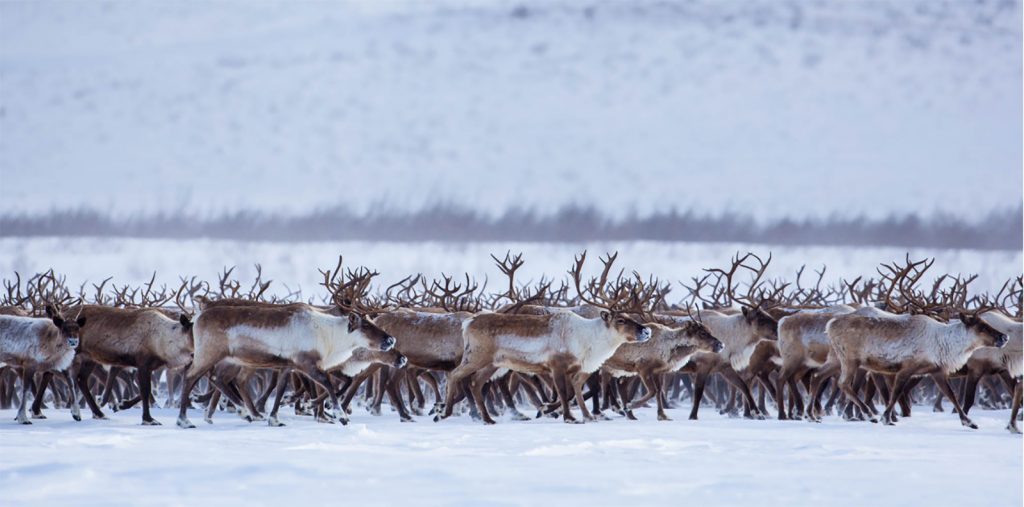
Around 20 years ago in Siberia’s Pleistocene Park, Nikita Zimov and Russian scientist Sergey resettled herds of reindeer, bison, horses, and wisents to study how restoring the mammoth steppe ecosystem could curb climate change.
The Permafrost at Pleistocene Park is warmer (-10 degrees Celsius) than the winter air (-40 degrees Celsius). “Thick snowfall insulates the ground from the much colder air, keeping it ‘warm,'” the study adds. That insulation is dramatically reduced when herbivores graze because their hooves scatter and compress the snow cover, allowing for more “freezing Siberian air [to reach] more deeply into the ground’s permafrost,” the park explained. This process is what causes the thawing of the Permafrost to slow down.
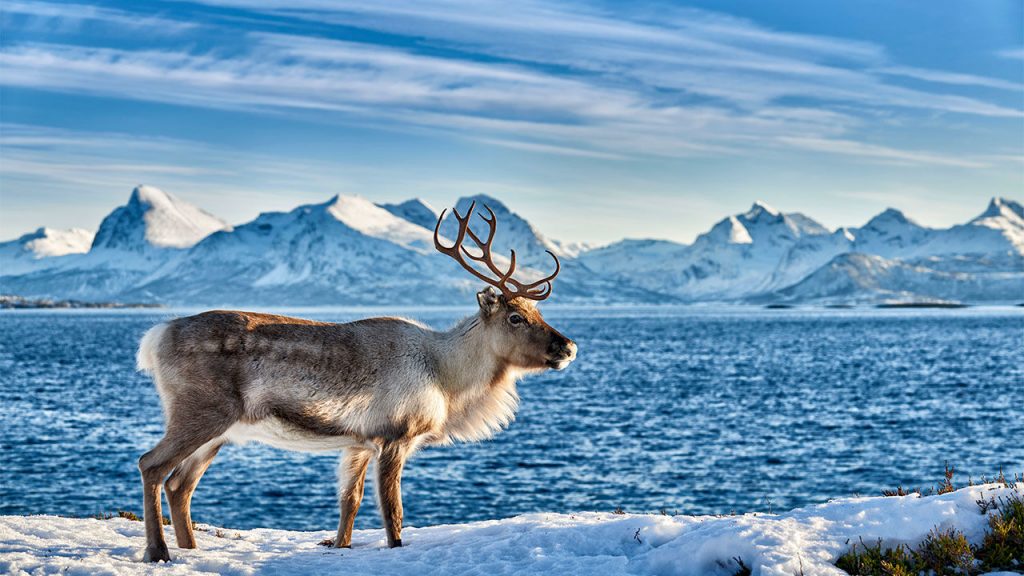
Herds of grazing animals aren’t only good for saving the Permafrost from melting but also for fertilizing the grass and boosting forage growth on farmlands.
The article wrote:
If emissions continue to rise unchecked, we can expect to see a 3.8-degree Celsius increase in permafrost temperatures, which would cause half of all permafrost to thaw.
If half of all Permafrost thawed, it would be destructive to the planet because Permafrost worldwide holds up to 1,600 gigatons of carbon, which is almost double what’s in the atmosphere. However, adding herds of animals could lower that warming to 2.1 degrees Celsius, which is enough to preserve 80% of the world’s Permafrost.