
The pristine waters of the Gulf of Mexico have long been celebrated for their rich biodiversity and thriving coastal fisheries. However, a newly published peer-reviewed study has revealed a startling level of contamination in one of the region’s most iconic and economically vital marine species. Researchers investigating the Maya octopus have discovered that nearly every specimen sampled off the coast of Campeche contained microplastics within its digestive system. The alarming contamination rate highlights a growing ecological crisis in the Yucatán Peninsula. The findings clearly demonstrate that the pervasive reach of plastic pollution has firmly infiltrated a major food supply and a critical benthic ecosystem.
The discovery represents the first major scientific effort to document microplastic ingestion specifically within this endemic species and this particular Mexican fishery. As global concerns mount regarding the ubiquitous nature of synthetic polymers in the marine environment, the results from Campeche serve as a stark reminder of the invisible threats lurking beneath the ocean surface. The Maya octopus is not just a scientific curiosity, it is a staple of regional cuisine and a heavily traded global commodity. The high rate of plastic ingestion found in these coastal waters raises immediate questions about the long-term health of the species, the viability of the fishery, and the broader implications for the millions of consumers who rely on seafood across the globe.
The Study at a Glance
The groundbreaking research was published in July 2026 in the prominent scientific journal Regional Studies in Marine Science. Conducted by scientists at the Instituto EPOMEX at the Universidad Autónoma de Campeche, the study presents a meticulous examination of microplastic loads in the Maya octopus, scientifically known as Octopus maya. Lead authors Jaime Rendón-von Osten and Merle Marisa Borges Ramírez designed the study to assess both the prevalence and the characteristics of plastic pollution within the local marine food web. The story of their findings was first brought to broader attention through a report by Mongabay Latam in September 2026, though it has remained largely unexamined by English-language scientific media until now.
The research team collaborated closely with local artisanal fishermen to collect a total of 95 octopus specimens. These collections took place at distances ranging from 20 to 45 kilometers off the coast of Campeche, at a relatively shallow depth of approximately 4.5 meters. The sampling was divided into two distinct periods to provide a comparative baseline: 50 specimens were collected in 2021, and an additional 45 were gathered in 2024. Once the octopuses were brought to the laboratory, researchers carefully dissected the gastrointestinal tracts to isolate and analyze any synthetic particles present.
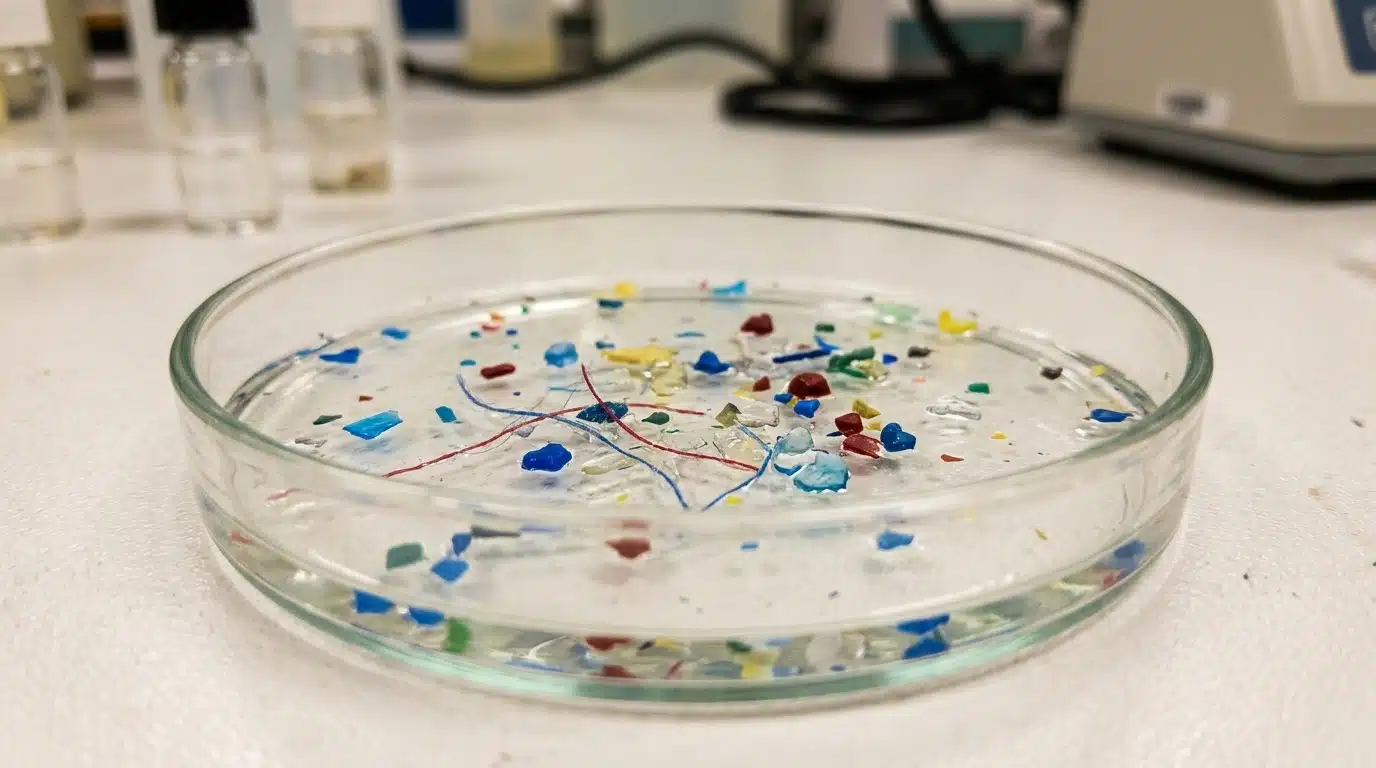
The headline numbers are difficult to ignore. Of the 95 octopuses analyzed, 89 were found to contain microplastics. This equates to a staggering 93.68 percent contamination rate. Across all the contaminated specimens, researchers successfully recovered and cataloged 367 individual plastic particles. Perhaps more concerning than the overall prevalence is the trajectory of the contamination. The team documented a 30.80 percent increase in the average microplastic load per individual between the two sampling periods. In 2021, the average octopus contained 3.18 particles. By 2024, that average had climbed to 4.62 particles per octopus. This upward trend suggests that the rate of pollution accumulation in the local marine environment may be accelerating rapidly over a very short timeframe.
A Fishery on the Front Line
To fully grasp the significance of these findings, it is essential to understand the economic and ecological context of the Maya octopus. This species is entirely endemic to the Yucatán Peninsula. It exists nowhere else in the world, making the local population both biologically unique and highly vulnerable to regional environmental stressors. Despite its localized habitat, the species drives a massive commercial enterprise. The Maya octopus accounts for roughly 75 percent of the total octopus catch in the region, forming the backbone of the local fishing industry. Similar pressures on marine food webs are not unique to this corner of the world, as research continues to show how plastic pollution reshapes fish populations in other regions.
The scale of the operation is immense. In 2024, the national octopus catch for Mexico exceeded 34,000 tons, with approximately 25,000 tons originating directly from the Yucatán Peninsula. This volume closely aligns with the established permissible catch volume of 28,000 tons, a quota designed to maintain the sustainability of the population. The fishery is a critical economic engine for coastal communities, generating roughly 15,000 direct jobs. It produces an estimated $360 million in Mexican pesos in annual revenue, sustaining the livelihoods of thousands of families who have fished these waters for generations.
Furthermore, the Maya octopus fishery is not a localized, enclosed market. It is a working fishery with a massive global reach. Historically, about 80 percent of the catch is exported to international markets. Consumers in Italy, Spain, China, Japan, South Korea, and the United States are the primary buyers of this seafood. In 2022, Mexico represented approximately 1.6 percent of all global octopus exports. Between 2021 and 2023, the United States alone imported an average of 2,293 metric tons of Mexican octopus annually. Therefore, the discovery of a 93.68 percent microplastic contamination rate is not merely a niche research subject relegated to a single Mexican state. It is an issue that directly intersects with global supply chains and international seafood consumption. The health of the Campeche coastal environment is intimately linked to dinner plates across multiple continents.

What Kind of Plastic, and Where Is It Coming From?
The chemical breakdown of the recovered particles offers a detailed and highly concerning picture of the pollution profile off the Campeche coast. The researchers identified an astonishing 25 distinct polymer types within the digestive tracts of the octopuses. The diversity of polymers, including polyamides, polyethylene, and polyvinyl chloride, mirrors findings from other recent studies on how microplastics are disrupting marine life across multiple species.
This remarkable diversity of plastics indicates that the contamination is not originating from a single localized spill or a specific industrial accident. Instead, it points to a complex, multi-source pollution matrix that is steadily feeding into the Gulf of Mexico. It is a striking number that underscores the systemic nature of modern plastic waste.
In terms of physical composition, the vast majority of the recovered plastics were broken-down pieces of larger items. Fragments accounted for 77.11 percent of the total particles, while the remainder consisted of synthetic fibers and plastic pellets. Among the 25 polymers identified, the most common included polyamides, cellophane, polyvinylidene fluoride, and various forms of polyethylene. Polyamides are frequently found in synthetic clothing and heavy-duty fishing gear such as ropes and nets. Polyethylene is the ubiquitous material used in everyday consumer packaging, including single-use plastic bags and water bottles.
The physical properties of these plastics explain exactly why the benthic Maya octopus is so heavily impacted. More than 80 percent of the identified particles had a density ranging between 1.1 and 1.7 grams per cubic centimeter. Because these plastics are denser than seawater, they do not float on the surface. They sink to the seafloor and accumulate in the marine sediment. The Maya octopus is a bottom-dwelling species that lives, hunts, and feeds directly in this sediment layer. As they forage for their primary prey, they inadvertently consume the sunken plastic fragments.
The study also revealed a significant shift in the size of the microplastics over time. During the 2021 sampling period, the majority of the particles measured between 1 and 2.3 millimeters. By 2024, the predominant particle size had shrunk to between 0.5 and 1 millimeter. This reduction in size suggests that older plastic debris is continually breaking down into smaller, more easily ingestible fragments. The EPOMEX research team traced these contaminants back to several likely sources. Abrasive industrial products, operational runoff from offshore oil platforms, untreated wastewater, urban coastal runoff, degraded consumer packaging, and abandoned fishing gear were all identified as major contributors. The full list of pollution sources identified in the study includes:
- Abrasive industrial products used in manufacturing and cleaning
- Operational runoff from offshore oil platforms in the southern Gulf of Mexico
- Untreated wastewater and urban coastal runoff from coastal communities
- Degraded consumer packaging, including plastic bags, bottles, and food containers
- Abandoned, lost, or discarded fishing gear, including ropes, nets, and lines
- Tourism-related waste from coastal resorts and beach infrastructure
- Seafood processing plant effluent from regional industrial facilities
This latest study builds on prior research conducted by the same EPOMEX team. They previously documented high levels of microplastics and chemical phthalates in the coastal sediments of Campeche. Furthermore, they had already discovered microplastics in the local stone crab populations. Because the stone crab is the primary bait used by local fishermen to catch the Maya octopus, there is a clear pathway for microplastics to move directly up the regional food web. The pollution is not just in the environment, it is deeply embedded within the biological interactions of the ecosystem.
What It Could Mean for Human Health
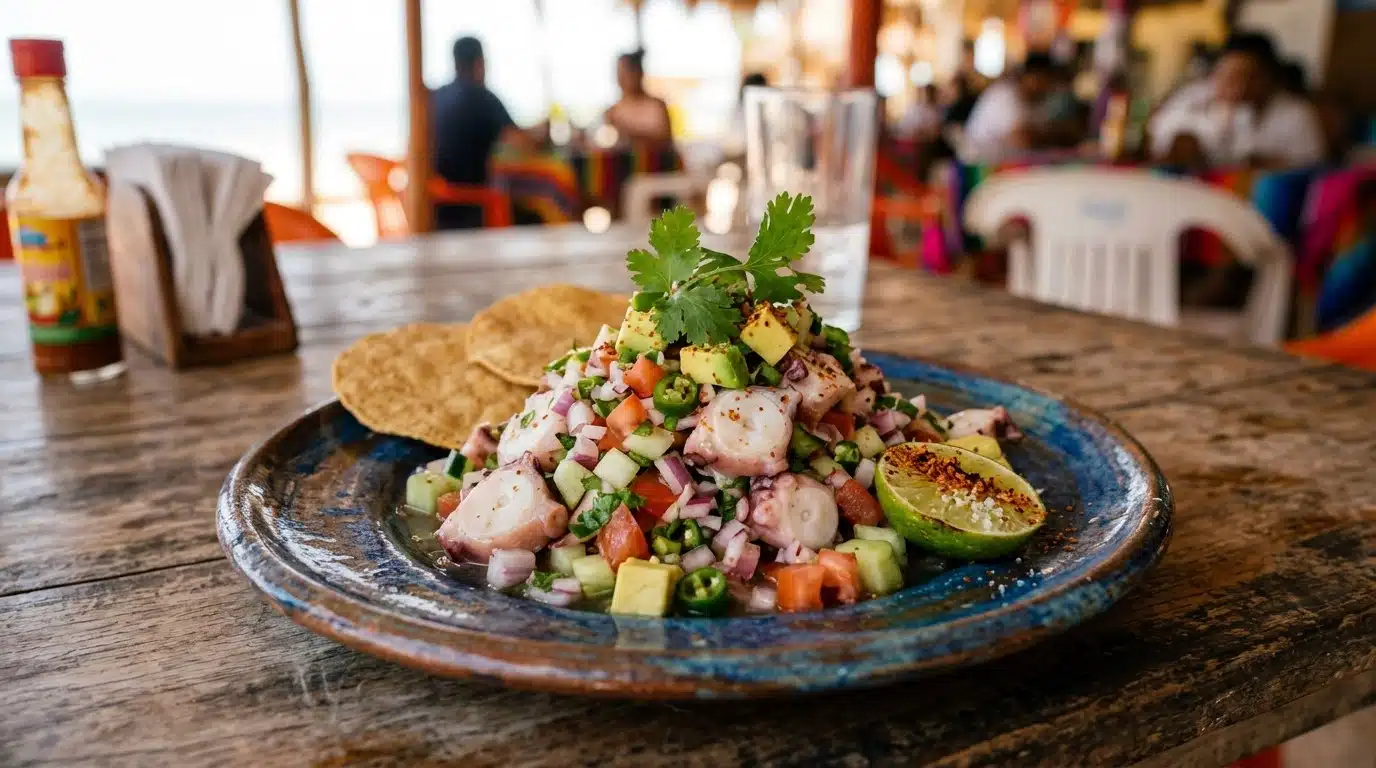
The revelation that nearly every sampled Maya octopus contains synthetic polymers naturally raises concerns regarding human consumption. It is important to state clearly that this specific study does not prove that eating contaminated octopus directly causes disease in humans. The scientific community is still working to fully understand the long-term toxicological effects of ingesting microplastics through seafood. The official stance of regulatory bodies remains cautious. The United States Food and Drug Administration position currently notes that existing evidence does not definitively show that the levels of microplastics found in food pose an immediate health risk, though the agency explicitly states that monitoring and research are ongoing.
However, an aggressive precautionary angle is rapidly gaining traction among health professionals and environmental scientists. As analytical techniques improve, researchers are discovering plastics in increasingly intimate areas of human biology. In recent years, microplastics have been definitively detected in human placenta, circulating blood, breast milk, lung tissue, and testicles. The broader context of microplastics in seafood has been a growing concern for years, with numerous studies showing a direct pathway from ocean pollution to human dinner plates.
Recent studies from 2025 have added alarming new data to this picture. A major February 2025 study published in the journal Nature Medicine demonstrated that microplastics can cross the blood-brain barrier. The researchers found that synthetic particles accumulate 7 to 30 times more in human brain tissue than they do in the liver or kidneys. Even more concerning, the concentrations of these plastics were found to be significantly higher in the brain tissue of patients who had suffered from dementia. Earlier IL reporting has also documented how microplastics have been discovered deep inside human lungs for the first time, adding to the broader picture of how thoroughly these particles have infiltrated the human body. Additionally, a separate 2025 study published in Frontiers in Toxicology tested 182 commercially available seafood samples sourced from Oregon. The results were staggering: 180 of the 182 samples, or 99 percent, contained microplastics, with shrimp showing the highest contamination levels.
When viewed alongside this growing body of global evidence, the findings from Campeche take on a much heavier significance. The Maya octopus study adds a novel geographical data point to a vast global pattern. Ocean plastic pollution is no longer viewed simply as a litter problem; it is increasingly recognized as a vector for chemical contaminants entering the human food chain. Research on the global scale of this problem, including estimates that nearly 16 million tons of microplastic are now embedded in the world’s seafloors, shows just how thoroughly the marine environment has been contaminated. While the direct health impacts require further long-term study, the pervasive presence of 25 different polymer types in a globally exported seafood product provides a compelling reason for immediate preventative action.
What the Researchers Are Calling For
The scientists behind the study are not merely presenting data; they are issuing an urgent call for systemic change in how coastal pollution is managed. They emphasize that identifying the problem is only the first step. Translating these findings into actionable marine conservation policy is the critical next phase. The research team has proposed several concrete recommendations, including the establishment of long-term microplastic monitoring programs, comprehensive ecotoxicological studies to assess the physiological impact on the octopus, and targeted training for local fishing cooperatives to identify and report ocean dumping.
Jaime Rendón-von Osten, a professor and researcher at EPOMEX, expressed his frustration with the pervasive nature of the pollution. Speaking on the findings, he summarized the grim reality of the coastal environment.
“We confirmed our suspicions that this organism, which lives among the sediments, is picking up these contaminants indirectly. Unfortunately, at the end of the day, plastics are everywhere.”
Merle Marisa Borges Ramírez, a microplastics and heavy metals specialist at the institute, addressed the sharp increase in contamination between the 2021 and 2024 sampling periods. She pointed out that the Campeche coast is suffering from pollution generated far beyond its own borders.
“Much of the increase is not necessarily local. Environmentally speaking, everything thrown into the sea doesn’t stay there. It moves through ocean currents, massive storms, and all kinds of natural events, spreading the contamination globally.”
The researchers also propose several practical next steps for stakeholders:
- Establishing long-term microplastic monitoring programs along the Campeche coast
- Conducting ecotoxicological studies to assess the physiological impact on octopus populations
- Training fishing cooperatives to identify and report ocean dumping
- Carrying out formal microplastic risk assessments of Maya octopus populations
- Designing a regional regulatory body specifically responsible for managing plastic and microplastic pollution in Campeche
The researchers highlight a glaring administrative contrast that hampers conservation efforts. While there are strict, specific management mechanisms in place for the octopus fishery itself, such as catch quotas and seasonal closures, there is absolutely no designated institution responsible for managing plastic and microplastic pollution in Campeche. This regulatory void leaves the ecosystem entirely unprotected from chemical and synthetic waste. Griselda Escalona Segura, a senior researcher at El Colegio de la Frontera Sur in Campeche, provided an outside expert perspective on the vital need for a shift toward prevention rather than reactive cleanup.
“Remediation is always going to be far more expensive than prevention. What we all need to do collectively is reduce our baseline consumption of plastics and ensure they are disposed of in designated, secure places so they cause less harm to the natural environment. Removing all the plastic that has already been dumped into the ocean is incredibly costly and apparently a colossal task, but it must be done if we want to avoid the extinction of all living beings, including ourselves.”
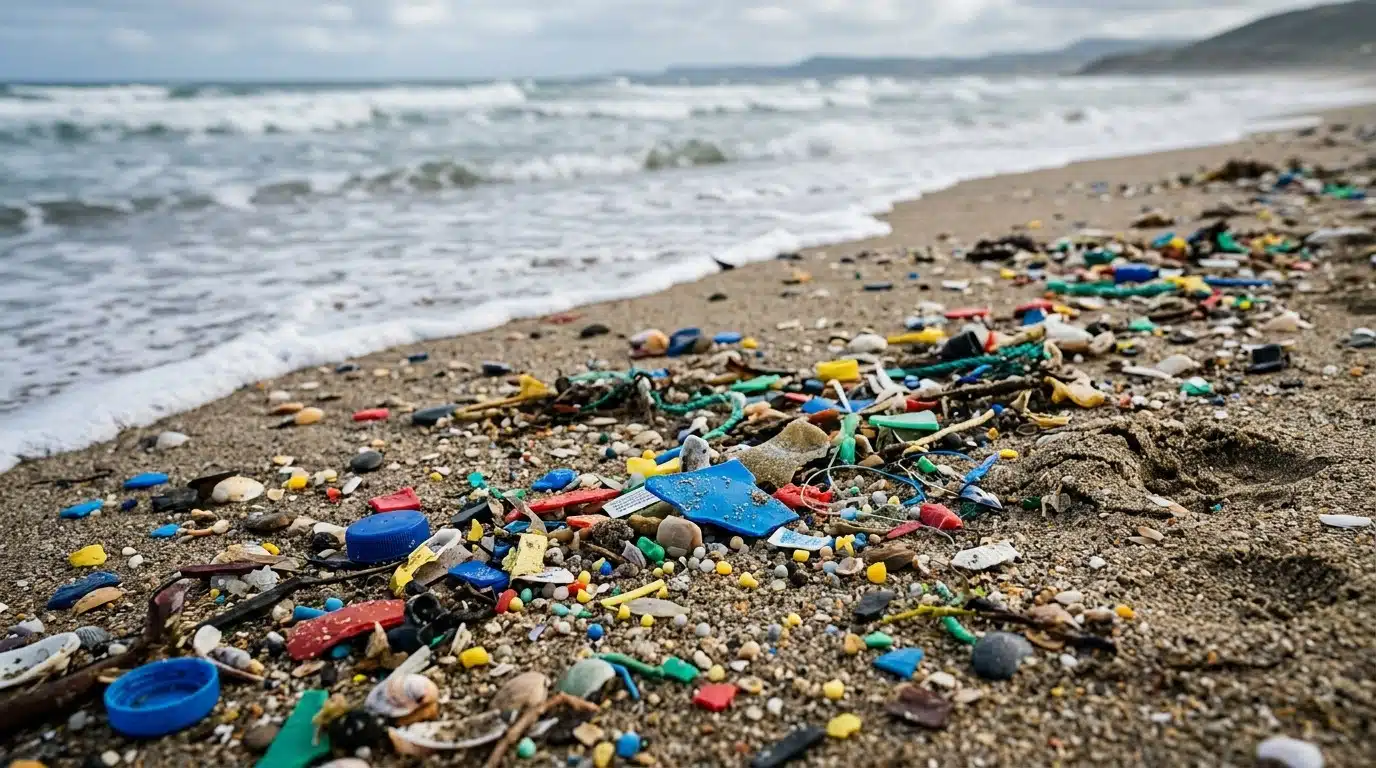
The Maya octopus stands as both a critical economic resource and a biological indicator species for the broader health of the Gulf of Mexico. The 93.68 percent contamination rate reported by the EPOMEX team is not a definitive verdict on human food safety just yet, but it acts as a blaring alarm. It is a clear, scientifically validated signal that severe plastic pollution has fully infiltrated one of Mexico’s most economically important coastal fisheries. As the researchers solemnly note, humanity is practically forcing marine species to adapt to a toxic environment, compelling them to live alongside everything that we carelessly discard into the ocean.


