
The solar energy sector has experienced a meteoric rise in popularity and adoption, demonstrated by a recent report from SolarPower Europe, which highlighted a substantial 50% increase in rooftop solar panel usage globally in 2022. More nations are recognizing the extraordinary advantages of solar power, with 26 countries installing at least 1 gigawatt (GW) of solar last year, an increase from 17 the previous year. Europe is particularly powering ahead, with solar panels on course to meet over half of the European Union’s power needs in 2023.
A combination of economic pressures and supportive policy changes drives this surge in solar adoption. High inflation rates have prompted homeowners to seek ways to cut energy costs, and new legislation, like the Inflation Reduction Act (IRA) signed by President Biden, offers a 30% tax credit for U.S. homeowners installing solar panels.
Michael Schmela, director of market intelligence at SolarPower Europe, stated, “We’re installing huge amounts of solar, and we need to be able to use it when we need it. Governments around the world must make upgrading their electricity and storage infrastructure a political priority.” The shift towards solar brings not just environmental but also health benefits, improving air quality and reducing the pollutants responsible for climate change.
The financial advantages are also compelling. Homeowners can lower their power bills and potentially see an increase in their property values. The IRA acts as a figurative ‘$8,000 bank account’ for Americans aiming to remodel their homes with energy-efficient upgrades. Bill McKibben, a prominent environmental journalist, praised the IRA: “The good news is that these technologies are better than the ones that they replace.”
In 2022, the world installed 239 GW of new solar, a record streak that continued for a decade. With over 1.2 terawatts of solar now in place, it’s expected to generate electricity equivalent to 57% of the EU’s total electricity demand over 2023. The solar sector is on a trajectory to see even more brilliant growth figures, with predictions of installing between 341 and 402 GW worldwide in a single year by 2023.
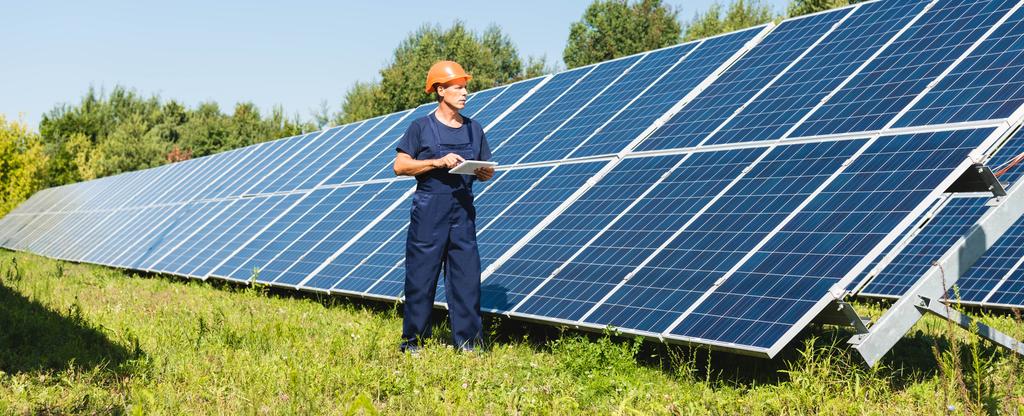
The global embrace of solar energy has led to an increase in solar capacity in Southeast Asia, with bright prospects for installations in the region expected to exceed 20 GW annually by 2027. Aristotelis Chantavas, President of SolarPower Europe, noted, “In a year defined by energy and climate crisis, solar hope continues to shine through.”
However, the rapid expansion comes with challenges related to grid capacity and the flexibility of nations’ electricity systems. SolarPower Europe has identified that 20 out of the 26 significant solar countries report grid bottlenecks as a critical hurdle to solar development. These infrastructure bottlenecks must be addressed to fully harness the vast amounts of solar energy being generated.
Germany remains the EU frontrunner in solar adoption, adding 7.9 GW in 2022, followed by Spain, Poland, the Netherlands, and France. Solar energy’s immense growth within the EU, a 25% increase in just one year, has set a firm foundation for a solar-powered future.
As solar installations proliferate, they bring us closer to a sustainable and renewable future where energy is cleaner, healthier, and more financially accessible. With continued advancements and political backing for necessary infrastructure upgrades, the potential for solar energy is boundless. As the sun continues to shine, so too does the promise of solar energy in powering our homes and transforming our reliance on non-renewable energy sources.


