
By the end of this year, companies in Canada will not be allowed to import or produce plastic bags or Styrofoam takeaway containers. They will also not be allowed to sell them by the end of next year nor export them by the end of 2025.
Canada previously announced a ban, but there were delays because officials still had to decide what the prohibition should include. Environmentalists were discouraged by this delay and that Canada’s original strategy was to outlaw the products domestically while still exporting them abroad.
Steven Guilbeault, the Minister of Environment and Climate Change, and the Minister of Health Jean-Yves Duclos announced on Monday that they would ban single-use plastics, including Styrofoam takeout containers, plastic bags, food service containers made from hard-to-recycle plastics, cutlery, stir sticks, straws and six-pack rings that hold bottles and cans.

Last year, the federal government declared plastics toxic under the Canadian Environmental Protection Act, opening the door for rules banning some of them. However, a group of plastics manufacturers is suing the government over the toxic label in a lawsuit that will likely be heard in a few months.
Aiming for zero plastic waste by the decade’s end, Prime Minister Justin Trudeau originally stated in June 2019 that his administration would phase out the production and use of hard-to-recycle plastic products. When he first announced the ban, he said it would take effect in 2021; however, the COVID-19 pandemic delayed the scientific evaluation of plastics required to implement the prohibition.
According to federal health minister Jean-Yves Duclos, the problem of plastic waste is getting worse worldwide because “only 8% of the plastic we throw away gets recycled,” and 43,000 tonnes of single-use plastics are released into the environment each year, mostly into rivers.
According to a 2019 Environment and Climate Change Canada research report, 3.3 million tons of plastic were thrown out, with plastic packaging accounting for over half of that amount. Unfortunately, less than 10% of that was recycled. A large portion of the plastic was dumped in landfills, where it will take centuries to degrade.
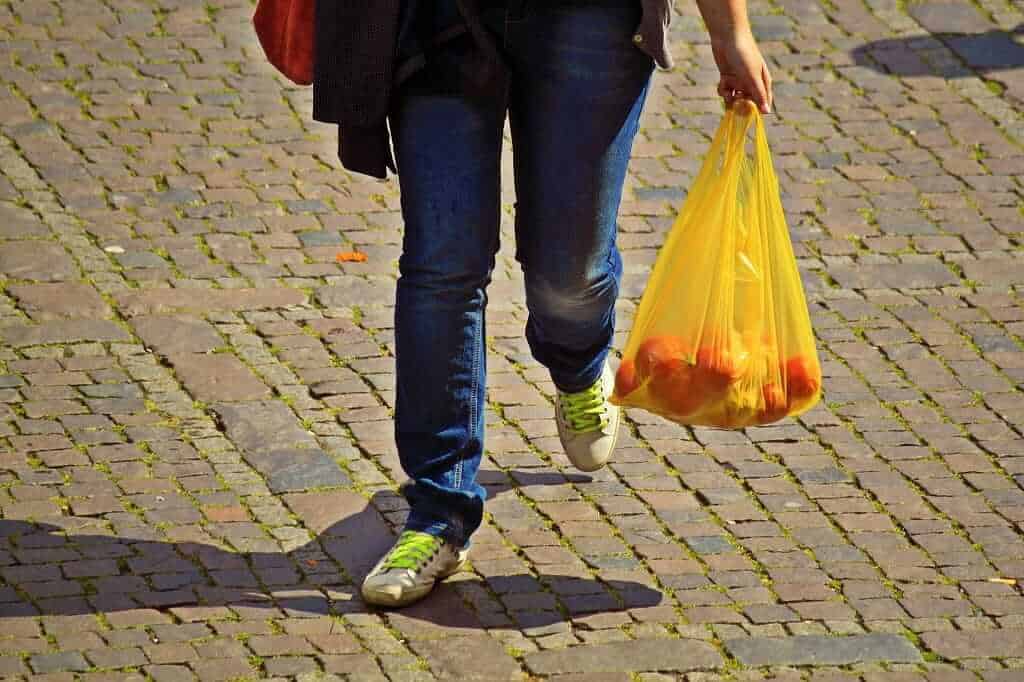
Approximately 29,000 tons of that waste found its way to forests, parks, waterways, and shorelines, with a large portion comprising food wrappers, cigarette butts, and disposable coffee cups. “The Canadian population was very clear with us. They’re tired of seeing plastic trash in parks, streets and other locations,” Jean-Yves Duclos said.
Canada led the creation of the international Ocean Plastics Charter in 2018, which has since been signed by 28 nations, including Costa Rica, Germany, and France. The pledge outlines actions to decrease plastic use and collaborate with businesses to boost plastic recycling rates.


