
When you’re handed an accident report that doesn’t match your memory of what happened, you’re facing more than just a paperwork problem. The National Highway Traffic Safety Administration recorded more than six million police-reported traffic crashes in the United States in 2023, and reviewing those records shows that disagreements over how events unfolded on the scene are a recurring issue in the multi-vehicle accidents where fault determination affects insurance liability. As insurance companies increasingly rely on automated claim processing systems that prioritize official documentation over individual testimony, even minor inaccuracies in an accident report can shift liability determinations and cost drivers thousands in increased premiums or denied claims.
The challenge has intensified in recent years as many jurisdictions have moved toward streamlined reporting processes that give responding officers less time at each scene. For anyone who finds themselves staring at an official report that contradicts their experience of the crash, it can be invaluable to consult skilled Houston car accident lawyers who can guide you through correcting inaccuracies, protecting your financial interests, and navigating the complexities of insurance and potential legal claims.
Why Accurate Accident Reports Matter and Why Disagreements Occur
Accident reports serve as the foundational document for nearly every decision that follows a crash. Insurance adjusters use them to assign fault percentages, attorneys reference them when building cases, and courts often treat them as presumptive evidence of what occurred. When details are wrong, the ripple effects can persist for years through denied claims, increased insurance rates, and weakened legal positions.
Common sources of disagreement typically fall into several categories. Officers may misinterpret witness statements, especially when multiple people provide conflicting accounts of the same event. Weather conditions, lighting, and traffic patterns can be recorded incorrectly if the responding officer arrives after conditions have changed. Vehicle positioning gets particularly contentious: where cars ended up after impact may not reflect their positions at the moment of collision, yet officers sometimes base their fault determinations on post-crash positioning.
The human element introduces another layer of complexity. Responding officers are making quick assessments under pressure, often while managing traffic, injured parties, and multiple witness accounts simultaneously. They may not have specialized training in accident reconstruction, particularly for complex scenarios involving multiple vehicles or unusual road conditions. Consider a situation where a driver swerves to avoid debris and clips another vehicle; the officer might record this as an improper lane change without noting the debris that triggered the evasive action.
Technology gaps also contribute to inaccuracies. Many departments still rely on hand-written notes and basic diagrams rather than precise measurement tools or 3D scene mapping. This leaves room for interpretation when translating a complex crash scene into a standardized report format. The pressure to clear scenes quickly, especially on busy highways, can result in incomplete investigations that miss crucial details.
How Are Accident Reports Created and What Information Do They Include?
Understanding the report creation process helps explain why errors occur and where you might find leverage for corrections. Most accident reports follow a standardized format that combines officer observations, physical evidence documentation, and witness statements into a cohesive narrative, though the quality and accuracy of each component can vary significantly.
Role of Witnesses and Officer Observations
The foundation of any accident report starts with the responding officer’s assessment of the scene. They document vehicle damage patterns, debris fields, skid marks, and final vehicle positions. However, their conclusions about causation often depend heavily on witness statements and driver accounts provided in the immediate aftermath of the crash.
Witness statements present particular challenges for accuracy. People observing accidents often focus on the impact itself rather than the events leading up to it, creating gaps in the timeline. Stress and adrenaline can affect memory formation, leading witnesses to confidently describe events that didn’t happen as they remember them. Officers typically have limited time to interview witnesses thoroughly, so important nuances may not make it into the official record.
The officer’s own observations carry significant weight but are filtered through their training and experience. An officer experienced in accident investigation might notice subtle evidence of brake failure or mechanical problems, while others might miss these indicators entirely. Their narrative conclusion about who caused the accident and why becomes the official story unless successfully challenged later.

Typical Evidence and Environmental Details Recorded
Physical evidence documentation varies widely between departments and individual officers. Standard measurements include vehicle positions, skid mark lengths, and point of impact locations. However, many reports lack precise measurements, relying instead on estimated distances and approximate positions that can significantly affect liability determinations.
Environmental factors like weather, road conditions, and visibility get recorded, but these entries often reflect conditions when the officer arrives rather than when the accident occurred. A rain shower that stopped ten minutes before police arrival might not be noted, even though wet roads contributed to the crash. Traffic signal timing, construction zone layouts, and temporary signage may not be documented if they’ve changed between the accident and the investigation.
Photographic evidence has become increasingly important, but coverage can be inconsistent. Some officers take dozens of detailed photos from multiple angles, while others capture only basic damage shots. The availability and positioning of official photographs can become crucial if you need to challenge the report’s conclusions later, particularly when building evidence for insurance appeals or legal proceedings.
What Steps Can You Take to Dispute or Amend an Accident Report?
Challenging an official accident report requires understanding both the formal correction process and the practical realities of how different agencies handle disputes. The good news is that most jurisdictions recognize that initial reports can contain errors and have established procedures for amendments, though the accessibility and effectiveness of these processes vary considerably.
Formal Procedures for Corrections and Supplementary Reports
Most police departments allow for two types of corrections: factual amendments for clear errors and supplementary reports for additional information. Factual amendments address obvious mistakes like wrong license plate numbers, incorrect driver information, or clear misstatements of physical evidence. These corrections are typically straightforward if you can provide documentation supporting the change.
The process usually begins with a written request to the investigating officer or their supervisor, clearly identifying the specific error and providing evidence for the correction. Supporting documentation might include insurance cards proving correct policy numbers, vehicle registration showing accurate owner information, or photographs demonstrating that damage descriptions were wrong. Most departments respond to these requests within 10-15 business days.
Supplementary reports offer a path for adding information that wasn’t included in the original document. If you have witness contact information that wasn’t gathered at the scene, photographs taken before police arrival, or medical documentation of injuries not initially reported, a supplementary report can incorporate this evidence into the official record. The key is providing new information rather than simply disagreeing with conclusions already drawn.
When substantial disagreements involve fault determination or collision dynamics, some departments allow for report review by traffic accident investigators or senior officers with specialized training. This process takes longer but can result in significant changes to the official conclusion if your evidence is compelling.
Time Limits and State-Specific Rules for Filing Changes
Time limits for challenging accident reports vary significantly by jurisdiction, with most states allowing 30 to 90 days for requesting amendments. However, these deadlines often start from when the report becomes available rather than when the accident occurred, giving you some breathing room if reports take several weeks to complete.
California generally expects amendments to be requested within about 30 days, with corrections that are dated and initialed by the officer. Texas does not set a single fixed deadline, instead leaving amendment procedures to individual department policies, which is why acting promptly is emphasized. New York relies on supplemental reports that add new information without erasing or altering the original document, so the practical window depends on how quickly you contact the agency. Some states also distinguish between correcting factual errors, which may have longer deadlines, and disputing conclusions, which often have tighter timeframes.
The legal standard for changes also varies. Some jurisdictions require only a preponderance of evidence to modify reports, while others demand clear and convincing proof that the original report contains errors. When dealing with cases where extensive property damage or serious injuries create significant insurance or legal stakes, understanding your state’s specific requirements becomes crucial for protecting your interests. For complex cases involving multiple vehicles or disputed liability, many individuals find that consulting with skilled Houston car accident lawyers familiar with local procedures can provide valuable guidance on navigating these processes effectively.
How Can Report Discrepancies Affect Insurance and Legal Claims?
The financial impact of accident report errors extends far beyond the immediate inconvenience of paperwork disputes. Insurance companies use police reports as primary evidence when determining fault percentages, and even small inaccuracies can shift liability in ways that cost thousands of dollars in claims payments, deductibles, and future premium increases. Understanding how the broader car accident claims process works can help you see exactly where a disputed report fits into the sequence of decisions that follows a crash.
Insurance adjusters typically assign significant weight to officer conclusions about causation, especially when they align with physical evidence patterns. If a report incorrectly identifies you as the at-fault driver, your insurance company may accept 100% liability rather than fighting the determination, particularly for smaller claims where legal costs would exceed potential savings. This decision affects not only the immediate claim but also your driving record and insurance rates for the next three to five years.
The compounding effect becomes more severe with serious injury claims. Medical bills from accident-related injuries can reach six figures, and liability insurance coverage limits mean that fault determination often decides whether victims receive full compensation or face massive out-of-pocket expenses. An incorrect report that shifts fault from 20% to 80% could turn a claim you expected to mostly cover into one where your share of the loss balloons tenfold.
Legal proceedings add another layer of complexity where report accuracy matters enormously. While accident reports aren’t automatically admissible as evidence in court, they strongly influence how attorneys, judges, and juries perceive cases. Challenging an established police report in litigation requires significant additional evidence and expert testimony, making correction through administrative channels far more cost-effective when possible.
The practical timeline also creates pressure for quick action. Insurance companies often make initial liability determinations within days of receiving police reports, and changing these decisions later requires reopening investigations and potentially unwinding settlements already reached with other parties. Early correction of report errors prevents these complications from developing in the first place.
Best Practices for Documenting Your Case When Disagreeing With a Report
Building a successful challenge to an accident report requires systematic evidence gathering that addresses specific deficiencies in the official documentation. The most effective approach focuses on concrete, verifiable facts rather than subjective interpretations of what happened during the collision.
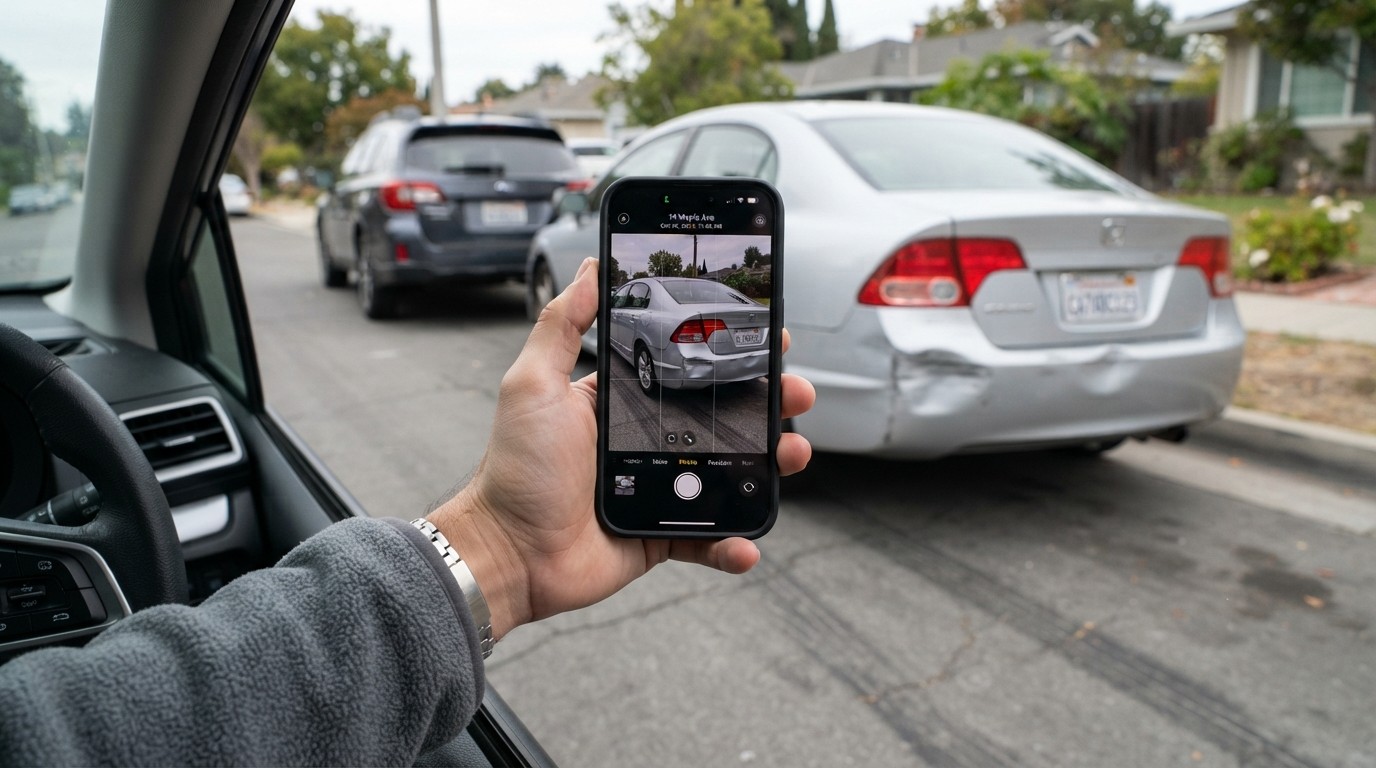
Photographic evidence becomes your strongest tool for demonstrating report inaccuracies. Take detailed photos of all vehicle damage from multiple angles, paying particular attention to impact patterns that might contradict the report’s collision narrative. Capture wide shots showing vehicle positions relative to traffic signals, lane markings, and road signs that establish context for the accident location. Time-stamped photos taken immediately after the crash often reveal environmental conditions or traffic patterns that differ from those recorded in the official report.
Witness documentation requires prompt action since people’s memories fade quickly and contact information can become outdated. If you identify witnesses who weren’t interviewed by police, obtain their contact information and written statements describing what they observed. Focus on specific details such as vehicle speeds, signal changes, weather conditions, or driver behavior rather than general impressions. Independent witnesses who have no relationship to either driver carry particular weight with insurance adjusters and reviewing officers.
Technical evidence can provide powerful support for challenging fault determinations. Modern vehicles often have event data recorders that capture speed, braking, and steering inputs during crashes. Cell phone tower data can verify claims about distracted driving, while traffic camera footage may be available from municipal or commercial sources. Medical records documenting injuries can also contradict reports that minimize the severity of impact or incorrectly describe collision dynamics.
The key to successful report challenges lies in presenting organized, factual evidence that addresses specific errors rather than general disagreements. Insurance companies and police departments respond better to documented proof of mistakes than to emotional arguments about unfair treatment. When your evidence clearly demonstrates report inaccuracies that affect liability determination, most reasonable parties will work toward a fair resolution rather than defending obvious errors.
Building this evidence file while memory remains fresh and physical evidence is still available gives you the strongest position for protecting your interests throughout the insurance and legal processes that follow serious accidents.

