

Key Takeaways
- Regular inspections and maintenance can prevent major plumbing issues.
- Proper disposal practices are essential to avoid clogs and backups.
- Seasonal preparations protect pipes from weather-related damage.
- Knowing how to respond to potential problems can mitigate damage.
Plumbing emergencies can disrupt daily routines, cause costly property damage, and often arise from issues that could have been prevented with proper maintenance and early detection. According to industry surveys, approximately 66% of U.S. homeowners have experienced a summer plumbing issue, with over 27% of those incidents resulting in property damage. From burst pipes and severe leaks to clogged drains and water heater failures, many of these situations begin as minor problems that gradually worsen. Understanding proactive measures, such as routine inspections, mindful water usage, and timely repairs, can significantly reduce the likelihood of unexpected plumbing failures and help maintain a safe, efficient home or building system.
In addition to regular upkeep, knowing when to consult qualified professionals is an important part of prevention. Skilled technicians can identify hidden issues before they escalate into emergencies and provide guidance on system longevity. For instance, homeowners and property managers may rely on local experts, such as plumbers in Henderson, NV, as part of a broader preventive maintenance and early intervention strategy. Such preventive support helps ensure small issues are addressed before they develop into costly emergencies.
Conduct Regular Inspections
Regularly checking your plumbing system is the most reliable way to catch issues before they become emergencies. Inspect under sinks, around toilets, and near water-based appliances for visible leaks. Water stains, mold patches, or corrosion around joints are common signs that something needs attention. Even a small drip can be costly; for example, a faucet that drips once per second can waste over 10,000 liters of water annually. Learning more about how small household leaks waste water can help you stay motivated to maintain your system. Early detection allows for simpler repairs and keeps repair costs manageable.
Practice Proper Disposal Habits
The habits you adopt in kitchens and bathrooms significantly affect the longevity of your plumbing. Avoid pouring grease, fats, or oils down the drain as they solidify and form stubborn blockages. Dispose of oil and grease in a sealed container and place it in the trash. Never flush items like wipes, sanitary products, cotton swabs, or paper towels, as they can clog your pipes and cause sewer backups.
Prepare for Seasonal Changes
Seasonal weather can pose distinct threats to your plumbing system. Before winter sets in, use foam pipe insulation to cover above-ground pipes and keep faucets dripping slowly during freezing nights to avoid burst pipes. Summer growth can lead to root intrusion in buried sewer lines, so schedule regular landscaping checks and sewer inspections if you have large trees near your lines. Regularly clean out gutters and downspouts to ensure proper drainage and prevent leaks or water accumulation around your foundation.
Monitor Water Pressure
Consistently high water pressure places your entire plumbing system under stress, increasing the risk of leaks or pipe failure. Check your water pressure using a simple gauge (available at hardware stores) and ensure it remains between 40 and 60 psi.
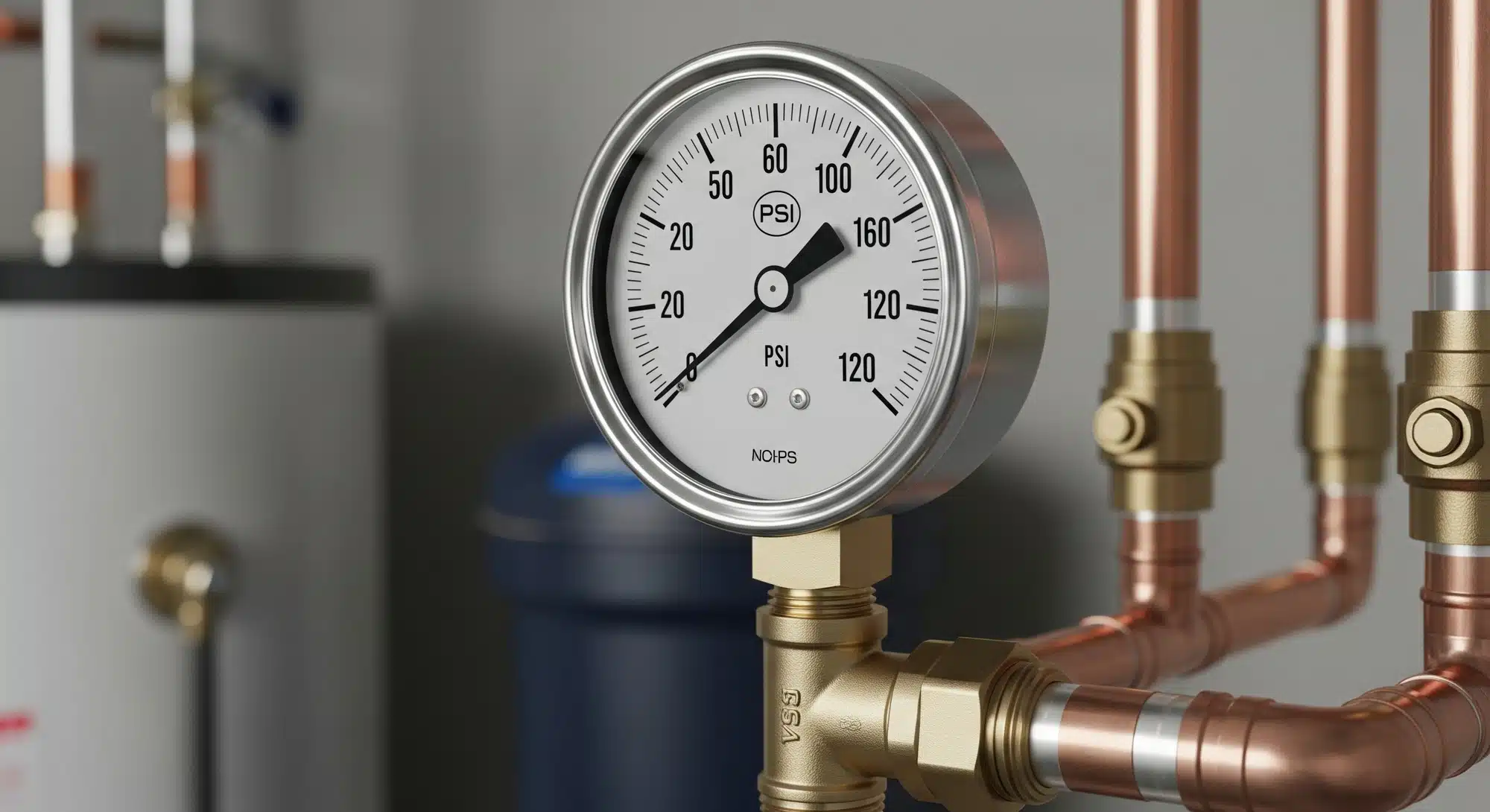
If it is too high, a licensed plumber can install a pressure regulator to safeguard your pipes and fixtures.
Maintain Your Water Heater
Water heaters require annual maintenance to prevent sediment buildup, which reduces heating efficiency and can damage the tank. Drain and flush the tank at least once a year. Set the thermostat to about 120°F to reduce the risk of scalding and save energy—this adjustment alone can reduce your annual water heating costs by 4% to 22%. Additionally, inspect the base for leaks and check the connections for corrosion or rust.
Know Your Main Water Shut-Off Valve
Every family member should know the location of the main water shut-off valve and how to operate it. In the event of a major leak or burst pipe, shutting off the water supply can stop flooding and limit property damage. Periodically turn the valve off to ensure it moves smoothly and is not stuck or corroded.
Use Drain Screens and Clean Drains Regularly
Drain screens are a simple yet powerful tool to prevent hair, food scraps, and other debris from clogging pipes. Remove accumulating debris from screens frequently and periodically flush your drains with hot water, not boiling, to help dissolve soap buildup and keep pipes clear. Avoid using harsh chemical drain cleaners, as they can erode pipes and cause leaks over time.
Seek Professional Help When Needed
Home maintenance can prevent most emergencies, but some situations require expert assistance. Ongoing slow drains, persistent leaks, or unusual sounds in your plumbing system are signs to consult a licensed plumber. Prompt, qualified intervention not only resolves problems efficiently but also prevents extensive, expensive water damage in the future.
Conclusion
Applying these preventive steps establishes a robust defense against plumbing disasters, giving you greater confidence and comfort in your home. With regular upkeep and quick response to warning signs, you can avoid most major plumbing emergencies and enjoy consistent access to clean, running water.


