
A digital upgrade at the booth provides more than just a faster entry. New pricing rules now balance federal budgets while managing the record-breaking crowds flocking to our shared wilderness. In the U.S. Department of the Interior’s national park pass and pricing overhaul for 2026, the transition to mobile-first entry is now the standard for millions of visitors.
Local hikers usually find business as usual with the $80 annual pass. Overseas travelers encounter higher costs, including a $250 annual pass and a targeted $100 per-person surcharge at 11 bucket-list destinations. From the Grand Canyon to Yellowstone, the way guests enter the park—and what they pay at the booth—has changed.
Navigating the current National Park access rules requires a bit of pre-trip homework. Staying on top of resident-only fee-free days and mobile wallet requirements helps keep your vacation budget on track.

Guide to 2026 National Park Entry Changes: Digital Passes and Resident-Only Fee-Free Days
How America the Beautiful Passes Moved to Digital in 2026
Going digital marks the biggest change for 2026. Visitors can buy and store America the Beautiful passes directly on their mobile devices before arriving at the gate. Travelers preferring traditional methods can still find federal pass pickup sites to obtain a physical card in person. This change applies to all common pass types, including annual, senior, military, and access passes.
Exploring different National Park entrance pass options is essential since gate fees fluctuate significantly across the country. Site-specific fees vary across the country, making pass selection a critical part of your trip planning.
The fee-free calendar also looks different now. Since early 2026, these free entry windows serve only US citizens and residents. Checking the fee-free entrance schedule helps families plan trips around dates when standard gate costs are waived for residents. For international visitors, the result is less opportunity to time a trip around a no-fee day at the busiest parks.
2026 National Park Pass Prices and Entry Rules At-a-Glance
Travelers on a tight timeline can use this quick reference. These figures outline 2026 annual pass costs, the international visitor surcharge, and the standard entry rules you’ll encounter during your visit.
Entry fees differ by location. Calculate your total cost by pairing the headline price with the site’s specific per-vehicle or per-person entry rules. If you’re asking about the latest entrance requirements, keep these 2026 updates in mind:
- The annual America the Beautiful pass is $80 for U.S. residents.
- The annual America the Beautiful pass is $250 for non-U.S. residents.
- International guests without a pass encounter a surcharge for non-residents at 11 primary locations.
- Digital passes can be stored on a mobile device and shown at entrances.
- Fee-free entrance days in 2026 are resident-only on eight dates, while nonresidents still pay regular entrance fees.
- Keep your photo ID handy, as gate rules shift depending on the specific site you visit.
Expect the $100 international fee to apply to every adult in your group. Avoid budget surprises by checking whether your destination charges per vehicle or per person before you arrive.

2026 America the Beautiful Pricing: Resident Rates vs. the $100 International Surcharge
2026 Annual National Park Pass Costs and Eligibility Rules
The updated pricing structure draws a clear line between resident and nonresident annual access, and it changes what “worth it” means for different travelers.
| Pass Type | U.S. Residents | Non U.S. Residents |
|---|---|---|
| Annual America the Beautiful Pass | $80 | $250 |
| Additional Fee at 11 Parks (Ages 16+) | Not Applicable | $100 per person |
The international visitor surcharge for adults stacks on top of standard entrance costs at high-demand locations. This new policy favors frequent hikers with annual passes but raises costs for international travelers visiting high-demand locations.
Proving residency requires specific identification for annual pass eligibility, making a valid driver’s license or passport essential at the entrance booth. These guidelines clarify why a driver’s license or passport check is now standard at the entrance booth.
Comparing nonresident annual pass benefits helps international travelers determine if a single payment is more cost-effective than multiple surcharges. An annual pass is often the cheaper option when visiting more than one of the surcharge parks. In per-person fee areas, the $250 pass often follows group entry rules that allow the owner to bring three additional guests, significantly lowering the per-person cost.
Long days on the road make these extra costs feel like an unexpected toll. Balancing snacks, pit stops, and road trip comfort allows families to focus more on the landscape and less on the logistics. Entry-fee logic often influences whether families stay an extra night in a gateway town, pick a different day, or shorten their trip.
List of 11 National Parks with the $100 International Fee
Checking the locations requiring the extra fee prevents budget shocks at famous parks like Zion or the Grand Canyon. You’ll find the $100 surcharge at these 11 destinations:
- Acadia National Park
- Bryce Canyon National Park
- Everglades National Park
- Glacier National Park
- Grand Canyon National Park
- Grand Teton National Park
- Rocky Mountain National Park
- Sequoia and Kings Canyon National Parks
- Yellowstone National Park
- Yosemite National Park
- Zion National Park
Overseas visitors visiting multiple sites see fees add up quickly since the surcharge hits every guest 16 and older. Your annual pass becomes a strategic investment instead of a mere souvenir.

National Park Entrance Verification and the Economic Impact of Fee Changes
Mobile Pass Verification and Photo ID Requirements at Park Entrances
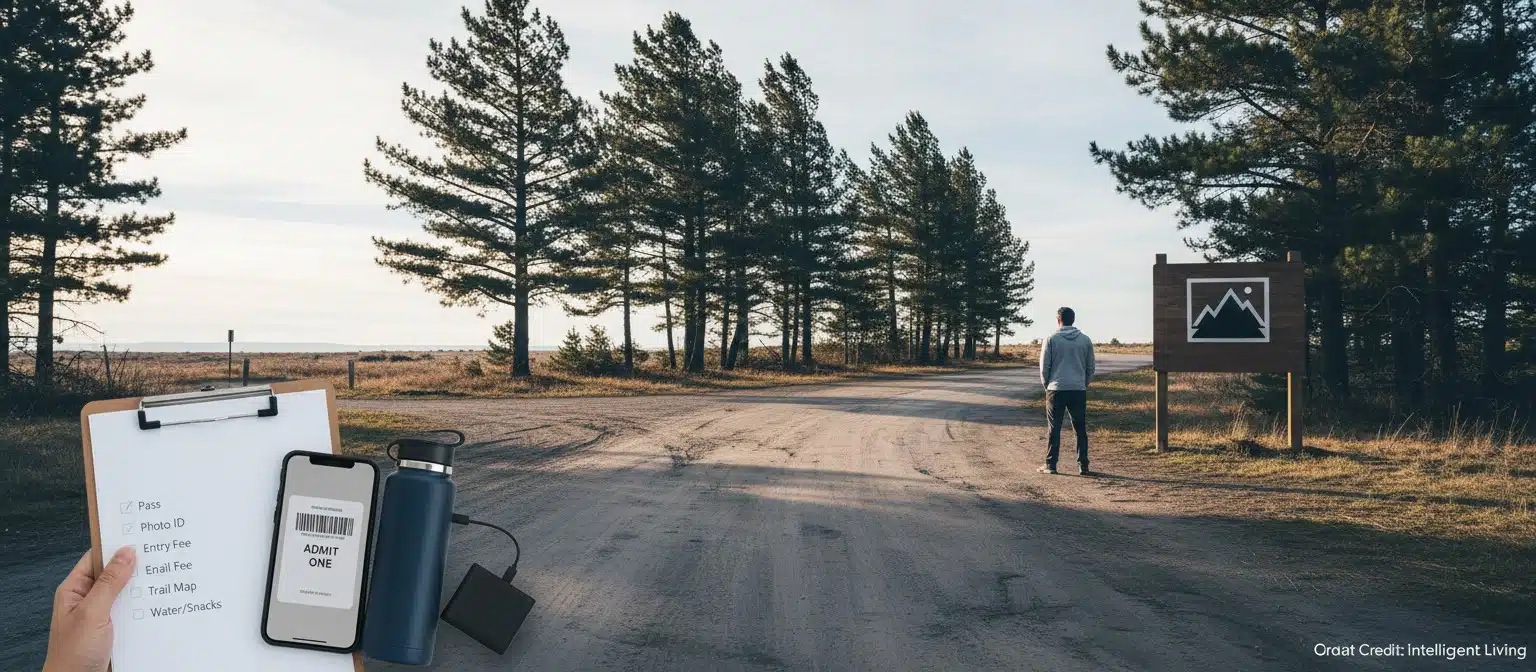
Digital passes are meant to reduce friction, but they also add a few new habits. Gate staff utilize mobile pass verification to check digital cards alongside a valid government-issued ID. Each pass stays strictly tied to the original purchaser. The process for storing digital passes ensures your credentials are ready for use immediately after purchase. If you buy a physical card first, you’ll need to link it to your account to get the mobile version.
Keep your pass open on your screen and have matching photo ID ready before your vehicle reaches the booth. Avoid the stress of a dead battery on a busy weekend by bringing portable power banks or solar generators. Smart travelers include a ‘power plan’ in their packing lists to stay phone-ready at the gate.
National Park Visitation Trends, Local Economies, and Conservation Funding
National parks act as economic and ecological pressure points. Entry pricing directly affects visitation patterns, shaping how many people crowd into headline destinations.
Managing Record Visitation and Shifting Tourist Traffic Patterns
New National Park visitation statistics show millions of guests heading to the same famous overlooks every summer. Small changes in price, reservation timing, and entry rules help spread these crowds out to prevent major bottlenecks.
How Gateway Town Economies Respond to National Park Travel Shifts
Detailed economic impact reports highlight how gate traffic translates into billions for businesses in surrounding gateway communities. Seasonal towns may see international travel shifts directly impact their hotel bookings, restaurant shifts, and local tour schedules.
Allocating Entrance Fee Revenue to the $23 Billion Maintenance Backlog
Understanding how entrance fees are used helps explain why these funds are vital for trail repairs and basic visitor services. Funds from entrance fees pay for trail repairs and essential visitor services. Fixing the National Park infrastructure backlog remains the top priority for these new access policies, ensuring roads and facilities stay safe for everyone.
Strategic Pricing as a Tool for Sustainable Tourism and Conservation
Sustainable travel practices during your next trip might mean picking a lesser-known trailhead or an off-peak date. Moving your visit to a shoulder season helps protect parking lots, trails, and wildlife corridors from the stress of heavy crowds.

7 Ways This Could Change Real Trips
The shift to digital access and new pricing levels will likely change how visitors approach their National Park adventures in several key ways:
- More travelers may buy a digital pass earlier in the planning process instead of waiting until arrival.
- International visitors may compare a single annual pass against multiple per-person surcharges and adjust itineraries accordingly.
- Families on tight budgets may choose parks, monuments, or forests that do not trigger the surcharge.
- Keeping your phone ready at the gate mirrors emergency preparedness basics. Staying connected helps you navigate safely if the weather or trail conditions suddenly shift.
- Fee-free days may no longer function as a cost-saving strategy for nonresident visitors.
- Gateway towns could see shifts in spending if international travel patterns change, especially in peak months.
- Practicing Leave No Trace basics for outdoor trips alongside other eco-friendly habits protects crowded landscapes for future visitors.
Families heading to Zion this summer often compare the per-person surcharge against quieter alternatives. Mixing a famous destination with nearby, less-crowded trails offers a better balance for your budget and experience.
2026 Travel Planning: Navigating New National Park Pass Requirements
The 2026 digital shift and pricing update serves as a vital strategy for protecting America’s most fragile landscapes. For a high volume of travelers, the $80 annual pass remains a steal for unlimited access to hundreds of sites. For international guests, the higher costs and targeted fees serve as a reminder of the massive pressure placed on infrastructure and local ecosystems during peak season.
Small decisions—like exploring a quiet forest or visiting in the spring—lift the burden from overcrowded sites. Practicing sustainable tourism and using resource-efficient packing methods keeps these natural wonders healthy and open for years to come.
Frequently Asked Questions About 2026 National Park Entrance Fees
What is the price of an America the Beautiful pass in 2026?
The annual pass costs $80 for US residents and $250 for non-residents. This pass covers entry at more than 2,000 federal recreation sites nationwide.
Which 11 parks charge the extra $100 nonresident fee?
The surcharge applies at Acadia, Bryce Canyon, Everglades, Glacier, Grand Canyon, Grand Teton, Rocky Mountain, Sequoia and Kings Canyon, Yellowstone, Yosemite, and Zion.
Do children have to pay the new $100 international visitor fee?
No, the $100 surcharge only applies to non-US residents who are ages 16 and older. Standard entrance fees still apply for younger visitors where applicable.
How do I add my national park pass to my phone’s digital wallet?
You can buy your digital America the Beautiful pass through Recreation.gov. Once purchased, you can instantly store it in your mobile wallet for quick verification at park entrances.
Are fee-free entrance days still available for everyone?
Starting in 2026, fee-free entrance dates are reserved exclusively for US residents. International visitors must pay regular entrance or surcharge fees on these dates.


