
In the blink of an eye, life can take a sudden turn, throwing us into chaos and uncertainty. And in this fast-paced world, emergencies have become an unfortunate reality we can no longer ignore. The impacts of climate change have amplified the occurrence and severity of natural disasters, leaving us vulnerable and unprepared. Emergency preparedness has become more important than ever before in known human history.
Taking proactive measures to safeguard ourselves and our loved ones in times of crisis is of utmost importance. In this article, we will explore the crucial steps you can take to ensure you and your family are ready to face any emergency head-on.
I. The Reality of Emergencies
Throughout history, humanity has faced numerous emergencies that have reshaped communities and claimed countless lives. From devastating earthquakes to widespread disease outbreaks, emergencies leave a profound and long-lasting impact on our society. These events test the resilience of individuals, families, and communities, challenging our ability to adapt and recover.
Growing Frequency and Severity of Natural Disasters
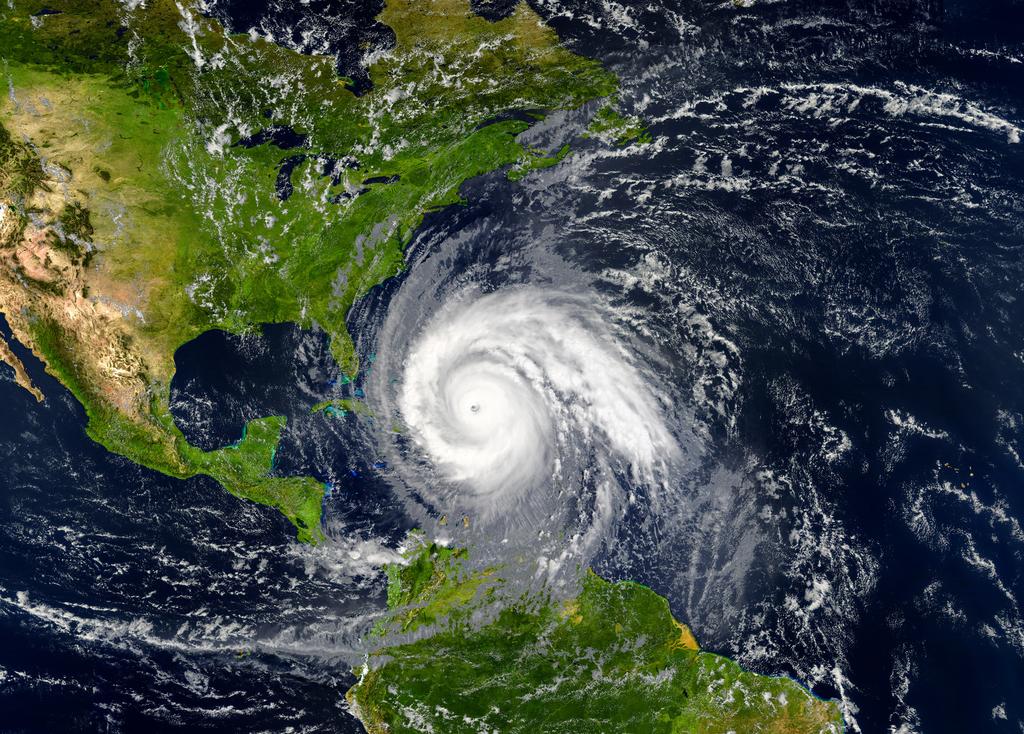
One of the most pressing issues of our time is the growing frequency and severity of natural disasters. Over the past few decades, the world has witnessed an alarming increase in the occurrence and intensity of hurricanes, floods, wildfires, and other natural catastrophes. This upward trend can be attributed to various factors, but scientific research overwhelmingly points to the influence of climate change.
Climate change, driven primarily by human activities, is causing shifts in weather patterns, altering ecosystems, and contributing to environmental instability. Rising global temperatures are leading to more frequent and intense heat waves, storms, and droughts. The need for proactive measures to protect ourselves from emergencies has never been more urgent. These extreme weather events pose significant risks to communities around the world, putting lives, infrastructure, and economies in jeopardy.

The Need for Proactive Measures to Protect Ourselves
Rather than waiting passively for disasters to strike, it is crucial that individuals and communities take preemptive actions to mitigate risks and build resilience. By understanding the reality of emergencies and their potential impacts, we can better prepare ourselves to navigate these challenges and reduce their devastating consequences. In times of crisis, effective response strategies are essential, including coordination amongst emergency services, efficient communication networks, and community support networks.
By embracing the reality of emergencies and recognizing the need for proactive measures, we can empower ourselves and our communities to effectively respond to and recover from unexpected events. Through education, collaboration, and individual actions, we can build a more resilient society capable of withstanding and adapting to the challenges of our ever-changing world. It’s time to face the reality of emergencies head-on and take decisive action to protect ourselves, our families, and our communities.

II. Building Your 72-Hour Emergency Kit
A 72-hour emergency kit is a collection of essential items and supplies that can sustain you and your family for at least three days during an emergency. These kits are designed to provide basic necessities in the event of power outages, disrupted water supplies, and limited access to food and other resources.
Key Items to Include in the Emergency Kit:
1. Food and Water Supplies
When assembling your emergency kit, it’s essential to include an ample supply of non-perishable food items. Canned goods, energy bars, and dried fruits are excellent options as they have a long shelf life and provide essential nutrients. Aim to pack enough food for each person in your household for at least three days. Additionally, don’t forget to include a manual can opener for convenience.
Equally important is having sufficient drinking water. The general guideline is to have at least one gallon of water per person per day to cover hydration and basic sanitation needs. Be sure to store your water in sturdy, clean containers and regularly check and replace it to ensure freshness.

2. Medications and First Aid Supplies
For individuals who rely on medications, it’s crucial to have a supply that can last at least three days. Include prescriptions and over-the-counter medications that meet your family’s specific needs. Keep in mind that some medications may require refrigeration, so plan accordingly.
In addition to medications, a comprehensive first aid kit is essential for treating minor injuries and addressing medical needs during emergencies. Your first aid kit should contain bandages of various sizes, adhesive tape, antiseptics, pain relievers, tweezers, scissors, and any other necessary medical supplies for your family’s specific requirements. Be sure to check your first aid kit regularly and replenish any expired or depleted items.

3. Flashlights, Batteries, and Communication Devices.
When the power goes out during an emergency, having reliable lighting sources is crucial. Include flashlights or headlamps for each member of your family, along with extra batteries. Opt for LED flashlights as they are more energy-efficient and have longer battery life.
Include a battery-powered or hand-cranked radio in your emergency kit. This will enable you to stay informed about important updates and emergency broadcasts. Fully charged cell phones and portable power banks will also prove invaluable for communication purposes. Remember to periodically check and charge these devices to ensure they are ready when needed.

4. Important Documents and Cash
In the chaos of an emergency, having essential documents readily accessible can save time and prevent stress. Make copies of important documents such as identification cards, passports, insurance policies, medical records, and contact information of family members and emergency contacts. Store these copies in a waterproof container or sealable plastic bag to protect them from potential water damage.
It’s also wise to keep some cash on hand, including small bills and coins. During emergencies, ATMs and credit card systems may not be operational, making cash the only viable payment option in some situations. Keep the cash in a secure location within your emergency kit, ensuring that it is easily accessible if needed.
5. Emergency Portable Solar Generator System
In addition to the essential items mentioned above, consider investing in an emergency portable solar generator system for your emergency kit. This reliable and eco-friendly device harnesses the power of the sun to provide electricity during power outages or when traditional power sources are unavailable.
An emergency portable solar generator consists of solar panels that capture sunlight and convert it into electricity, which is stored in a built-in battery. These generators often include multiple power outlets and USB ports, allowing you to charge essential electronic devices, such as cell phones, radios, or medical equipment, as well as power small appliances like lights or fans.
This reliable and eco-friendly device, also known as a generator for hurricane preparedness, harnesses the power of the sun to provide electricity during power outages or when traditional power sources are unavailable. During emergencies, access to electricity can greatly improve comfort, safety, and communication. With a portable solar generator, you can ensure that you have a reliable source of power to charge your essential devices, provide lighting, or even power medical equipment when needed.
When choosing a portable solar generator, consider factors such as power capacity, battery storage, and the number of outlets available. Look for a model that is lightweight, compact, and easy to transport. It’s also beneficial to select a generator that can be charged through multiple methods, such as solar power, AC wall outlets, or car charging, allowing flexibility in various situations.
Include the portable solar generator system in your emergency kit and familiarize yourself with its operation and maintenance. Regularly check the solar panels for any dirt or obstructions and ensure that the battery is charged and functioning correctly. By having this alternative power source, you can enhance your preparedness level and have peace of mind knowing that you have a sustainable and reliable energy solution during emergencies.

Importance of Reviewing and Replenishing Emergency Supplies
Once you have assembled your emergency kit, your preparedness journey does not end there. It is vital to periodically review and replenish your emergency supplies to ensure their effectiveness and readiness. Set a schedule to check your emergency kit every six months and replace any expired food, water, medications, or batteries.
Additionally, assess your family’s changing needs and circumstances. If you have welcomed a new family member or someone’s medical conditions have changed, make the necessary adjustments to your emergency supplies. It’s also crucial to consider any specific requirements for infants, older adults, or individuals with medical conditions when reviewing and replenishing your kit.
By regularly reviewing and replenishing your emergency supplies, you can have peace of mind knowing that you are well-prepared to face any unforeseen circumstances that may come your way. Remember, preparedness is a continuous process, and staying proactive ensures that your emergency kit remains reliable and up to date.

III. Understanding Emergency Routes
Significance of Knowing Multiple Evacuation Routes
Familiarize yourself with the different evacuation routes available in your area, including primary and alternative routes, to ensure you have multiple options for safe evacuation. By understanding the potential hazards and traffic patterns that may arise during evacuations, you can make informed decisions and plan your escape route accordingly.
Identifying Local Emergency Shelters and Assembly Points
Research and identify the locations of emergency shelters in your community well in advance of any potential disaster. Take note of the designated assembly points where family members should gather during emergencies, ensuring that everyone knows the designated meeting spot. Familiarizing yourself with the routes to these locations will save valuable time and ensure a smooth evacuation process.
Utilizing Technology for Real-Time Information During Emergencies
In the age of technology, staying informed during emergencies has never been easier. Utilize smartphone applications, websites, and local authorities’ official channels to receive real-time updates on emergencies and evacuation orders. Following verified sources of information, you can avoid misinformation or rumors that can cause unnecessary panic during critical times. Harnessing the power of technology enables you to make informed decisions and take swift action to protect yourself and your loved ones.

IV. Keeping Your Family Safe
Creating a Family Emergency Plan
Establishing a comprehensive emergency plan is crucial for ensuring the safety and well-being of your family. Take the time to discuss and document actions to be taken during various types of emergencies, including evacuation routes and communication protocols. Additionally, determine meeting points both within your neighborhood and outside the immediate vicinity so you have a designated spot to reunite with family members if you get separated.
Educating Family Members About Emergency Procedures
It is essential to ensure that every family member, regardless of age, understands the emergency plan and knows how to respond during different types of emergencies. Take the opportunity to educate children about safety procedures, such as calling emergency services and recognizing potential hazards. Conduct regular drills and practice emergency scenarios to instill preparedness, enhance muscle memory, and build confidence in responding to emergencies.
Precautionary Measures for Children, Older Adults, and Pets
When preparing for emergencies, it’s crucial to consider the unique needs of children, older adults, and pets. Ensure that necessary medications and medical supplies are readily available for those with specific health conditions. Take into account mobility limitations and make accommodations accordingly.
For pets, include their needs in the emergency kit, such as food, water, medication, and comfort items. Identify pet-friendly shelters or accommodations in case evacuation becomes necessary. By taking these precautionary measures, you can ensure the safety and well-being of all family members, including the furry ones.

V. The Impact of Preparedness on Community Resilience
Individual emergency preparedness creates a domino effect, contributing to the resilience of the community as a whole. When each person takes responsibility for their own preparedness, it reduces the strain on emergency services and allows them to focus their efforts on those who are most in need during an emergency. By being prepared, you become a valuable asset in supporting others and helping your community recover more efficiently.
Collaboration with Neighbors and Community Organizations
Building strong relationships with your neighbors is essential in times of crisis. By fostering a sense of community and mutual support, neighbors can rely on each other for assistance during emergencies. Engage with local community organizations and local authorities to participate in initiatives that promote emergency preparedness and resilience. By working together, you can pool resources, share knowledge, and create a network of support that strengthens the entire community.
Community-Wide Emergency Drills and Preparedness Campaigns
Participating in community-wide emergency drills and exercises is crucial to practice emergency response and enhance coordination among community members. These drills allow you to familiarize yourself with emergency procedures, test communication systems, and identify areas for improvement.
Getting involved in local preparedness campaigns raises awareness in the community about the importance of being prepared for emergencies, encouraging others to take action and ensure their own safety. By actively participating in such initiatives, you contribute to a more resilient and prepared community.

Conclusion
Being prepared is not a luxury but a necessity. In the face of the growing frequency and severity of emergencies, it is crucial that we take immediate action to protect ourselves and our loved ones.
Don’t wait for disaster to strike. Take the necessary steps today to build your 72-hour emergency kit, create a family emergency plan, gather emergency power supplies, and familiarize yourself with evacuation routes and local resources.
Emergency preparedness is not just about facing emergencies; it’s about building resilience that extends beyond times of crisis. By being prepared, we empower ourselves to navigate uncertain times and emerge stronger, both individually and as a community. Embrace preparedness and take a proactive stance in ensuring the safety and well-being of yourself, your loved ones, and your community.
Disclosure: This post contains affiliate links, which means we may receive a commission if you click a link and purchase something that we have recommended. While clicking these links won’t cost you any extra money, they will help us keep this site up and running! Thank you for your support.


