
Plastic waste fills our oceans and landfills at an alarming rate. Most people want to help by recycling, but the tiny symbols on containers can be confusing. These numbers are more than just decorations on the bottom of a bottle. They tell a story about what the material is made of and where it should go after use. Understanding these codes is a great first step toward a more sustainable lifestyle.
A cleaner planet starts with small choices made at home every day. Learning the difference between resin types helps ensure your efforts actually make a difference. Many items put in recycling bins end up in the trash because they do not belong there. By mastering the code system, you can reduce waste and help protect the environment for years to come.
The Truth About Resin Numbers
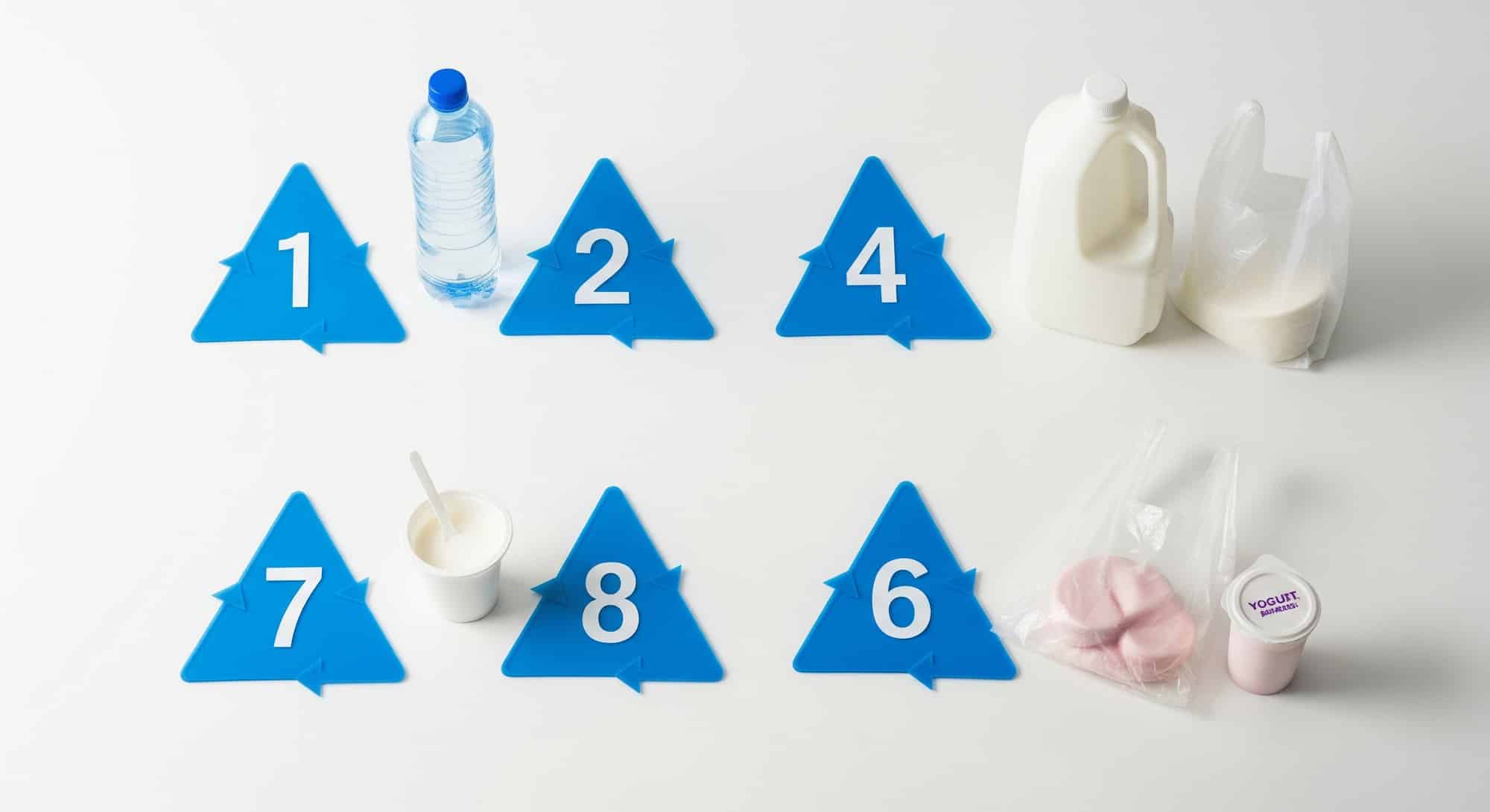
Many people assume that every item with a triangle symbol is recyclable. This is actually a common misunderstanding that leads to contamination in waste streams. A recent report by Miller Recycling explained that the numbering system is based on resin types rather than how easily a material can be recycled. These digits identify the chemical makeup of the plastic so that processors know how to handle it.
Knowing these recyclable plastic types helps consumers decide which items to buy or avoid. When you look at a container, you are seeing a guide for industrial sorting. Just because a number exists does not mean your local facility accepts it. Always check with your city guidelines to see which specific resins they can process.
PET or PETE
Polyethylene Terephthalate is the most common plastic found in single-use bottles. You likely see this code on water bottles, soda containers, and peanut butter jars. It is designed to be lightweight and clear, making it a favorite for food packaging. Most curbside programs accept this material because it is highly sought after by manufacturers.
This material has a high value in the secondary market. According to Fairware, PET is one of the most recycled plastics and can be turned into fleece clothing or new bottles. Innovations in enzymatic PET recycling are making it possible to break down this material into its original building blocks for true circularity. These recycled fibers reduce the need for raw petroleum in the textile industry. It shows how a simple water bottle can have a second life as a cozy jacket.
HDPE
High-Density Polyethylene is a sturdier plastic used for heavier items. You will find it in milk jugs, laundry detergent bottles, and shampoo containers. It is known for being durable and resistant to chemicals. This makes it ideal for household cleaners that might degrade thinner materials.
Most recycling centers prioritize HDPE because it is easy to wash and melt down. It can be transformed into plastic lumber, picnic tables, and even floor tiles. Choosing products in HDPE packaging is often a safer bet for those looking to minimize their environmental footprint. It remains a staple in the circular economy due to its strength.
LDPE
Low-Density Polyethylene is a flexible plastic often used for bags and wraps. You might find it in grocery bags, bread bags, and some squeezable bottles. While it is versatile, it presents unique challenges for traditional recycling equipment. These thin films can get tangled in sorting machines and cause expensive breakdowns.
The chemistry of this material is closely related to other common plastics. An article by Rumpke noted that LDPE is made from ethylene, much like HDPE, though the two have very different properties. Because of its flexibility, it is often recycled through special drop-off bins at grocery stores. Putting these bags in your home bin usually does more harm than good.
PP
Polypropylene is a tough, heat-resistant plastic used for many kitchen items. You will find it in yogurt containers, syrup bottles, and medicine jars. It has a high melting point, which makes it safe for holding hot liquids. Many reusable food storage containers are also made from this durable material.
- Check the bottom of takeout containers for the number 5.
- Look for PP on car parts and thermal vests.
- Verify if your local curbside program accepts yogurt cups.
- Reuse these sturdy containers for home organization before recycling.
PP is becoming more widely accepted in municipal programs as technology improves. It can be recycled into signal lights, battery cables, and heavy-duty brushes. Because it is so resilient, it can withstand multiple rounds of use. Keeping this material in the loop is a key part of reducing overall waste.
Setting Ambitious Future Goals
Global leaders and industries are setting new targets to handle plastic more effectively. The focus is shifting toward higher recovery rates and better processing technology. According to Pall Corporation, the goal for 2026 is a 70% overall recycling rate, with 55% specifically for plastic. Reaching these numbers will require better participation from households and businesses alike.
These targets are not just about cleaning up the environment. They are also about creating a more stable economy that relies less on new plastic production. When we hit these marks, we lower the carbon footprint of the products we use. It is a collective effort that starts with understanding the symbols on our everyday goods.
The Growing Scale of Waste
Waste management is a global challenge that requires urgent attention. As populations grow, the amount of discarded packaging continues to rise. Research from the European Commission found that 186.5 kg of waste was generated per person in the EU in 2022. This staggering figure highlights why sorting plastic correctly is so vital for the future.
- Reduce the use of single-use plastics whenever possible.
- Rinse out food containers before placing them in the bin.
- Keep caps on bottles if your local facility allows it.
- Avoid “wish-cycling” items that do not have a clear code.
Managing this volume of trash is difficult for even the most advanced systems. When we fail to sort properly, we add to the burden of local governments. Every piece of plastic that is correctly recycled stays out of the natural world. Small individual actions eventually add up to a significant impact on global statistics.
The Economic Side of Recycling
Recycling is a massive industry that continues to expand every year. As demand for sustainable products grows, the market for processed plastic is booming. Data from MarketsandMarkets suggests the global recycled plastics market will grow to $149.25 billion by 2032. This growth incentivizes companies to create better systems for collecting and reusing waste.
Investment in this sector leads to new jobs and better infrastructure. When the market for recycled resin is strong, facilities can afford to upgrade their equipment. This creates a cycle where more types of plastic can be kept out of landfills. Supporting brands that use recycled content helps keep this economic engine moving forward.
A sustainable future is built on the choices we make in our kitchens and offices. By identifying resin types and following local rules, you become a partner in the global effort to save the planet. Every bottle and container you sort correctly is a victory for the environment. Stay informed and keep striving for a world with less waste and more reuse.


